




The Secret to Smarter Packing
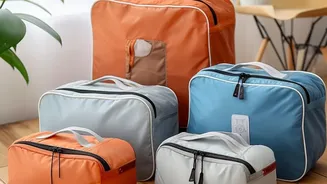
Vacuum compression bags are essentially heavy-duty plastic pouches with a zip-top closure and a one-way valve. By removing all the excess air trapped between fabric fibres, they dramatically shrink the volume of soft goods. This allows you to fit bulky
items into a fraction of their normal space. There are two main types: some require a household vacuum or a small, portable pump to suck the air out, while others are designed for travel and can be compressed simply by rolling them tightly to force the air out through the valve. This means you don't have to worry about finding a vacuum at your hotel to repack for the journey home.
Your Wardrobe's Shield Against Humidity
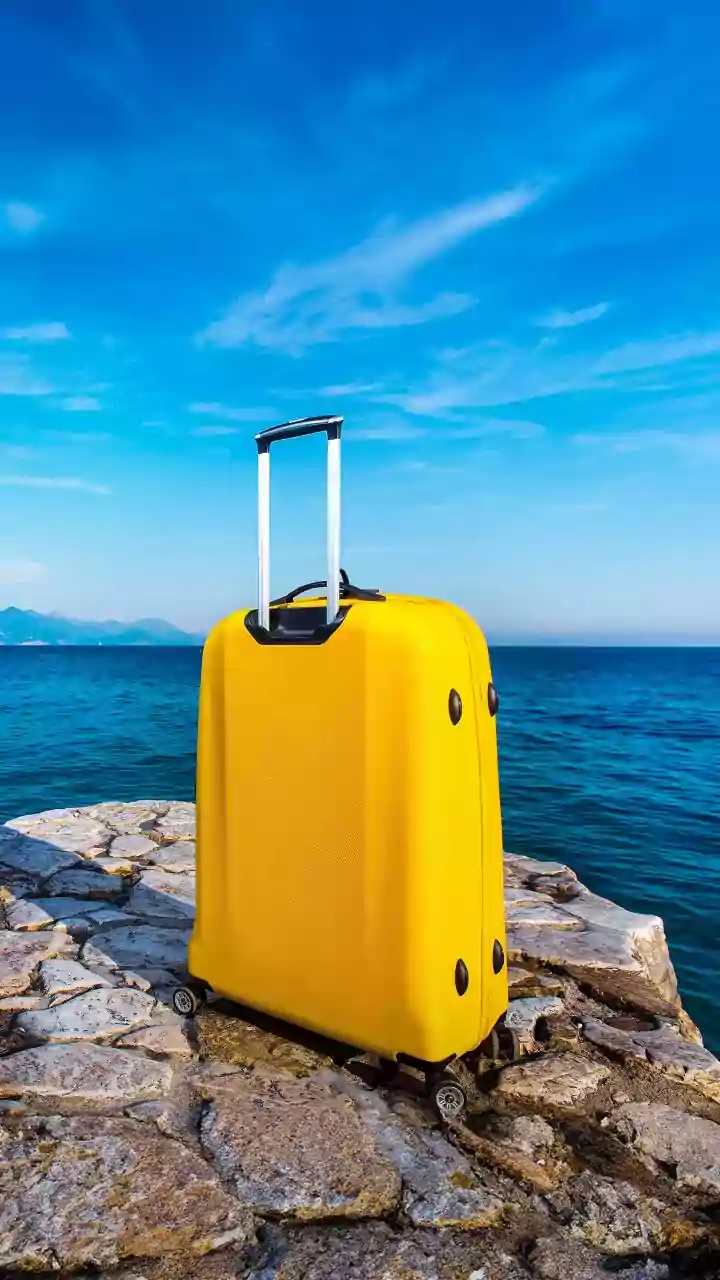
For a humid beach getaway, the true genius of these bags isn't just about creating more room in your suitcase. Their most significant advantage is protection. The airtight seal created when you remove the air also locks out moisture. In a tropical or coastal climate, ambient humidity can seep into your luggage, leaving your clean clothes feeling slightly damp and musty before you even wear them. Compression pouches act as a barrier, ensuring that when you unpack your favourite sundress or evening sweater, it feels as fresh and dry as when you packed it. This also helps in keeping your clean clothes separate from dirty or damp laundry on the return trip.
What to Compress and What to Skip
Compression bags work best on soft, bulky items that have a lot of air trapped within them. For a beach weekend, think about that plush beach towel, a light jacket for breezy evenings, or a knit sweater. T-shirts, activewear, and pyjamas also compress wonderfully. However, you should avoid using them for certain items. Stiff fabrics like heavy denim don't compress much and are better off folded flat in your case. It is also wise to avoid compressing delicate materials like silk or highly structured garments such as blazers, as the intense pressure can lead to permanent creasing or damage to their shape. Leather jackets should also be left out, as the wrinkles can become permanent.
Navigating the Wrinkle Conundrum
The most common downside to using compression bags is the potential for wrinkles. Because the clothes are packed so tightly, creases can set in. However, there are ways to minimise this. The key is in how you pack the bag. Rolling your clothes instead of folding them can significantly reduce sharp creases. Try not to overfill the bags; filling them to about 80% capacity allows for more even compression. When you arrive at your destination, unpacking your compressed items immediately will give the fabric time to relax and the wrinkles to fall out. For stubborn creases, a travel steamer or a quick hang in a steamy bathroom can do the trick.
How to Use Them Like a Pro
Using travel compression bags is a straightforward process. First, neatly fold or roll the clothes you want to compress. Place them inside the bag, being careful not to overfill it past the indicated line. Press down gently to flatten the pile. Next, seal the bag using the zip closure, running your fingers over it a couple of times to ensure it's completely airtight. If you're using a roll-up bag, start rolling from the zipper end towards the bottom where the one-way valves are located. You'll hear the air hissing out as you roll. If you're using a vacuum version, attach the pump to the valve and remove the air until the bag is flat and firm. The result is a dense, compact brick of clothing that's easy to slot into your suitcase.