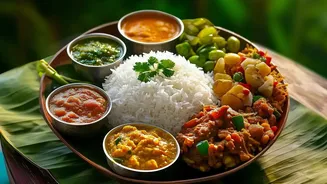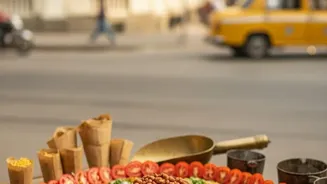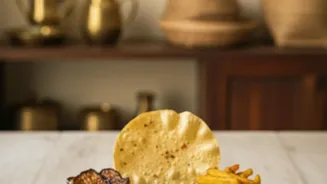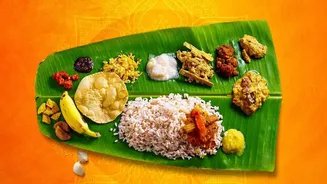

For decades, dining out in urban India meant a familiar menu. But a quiet revolution is simmering. Diners are now exploring dishes beyond the usual suspects, seeking flavours that tell a story of a specific place, community, or family.
Beyond the Standard Menu
For years, restaurant
menus across Indian cities felt interchangeable. Whether you were in Delhi, Mumbai, or Bengaluru, the offerings were often dominated by a standard roster of dishes like butter chicken, dal makhani, and paneer tikka. While delicious, this uniformity presented a limited view of India's vast culinary diversity. Now, a significant shift is underway. A growing number of urban diners, tired of the repetitive experience, are actively seeking out micro-regional and hyperlocal cuisines. This trend moves away from the pan-Indian template and dives deep into specific culinary traditions from particular sub-regions, communities, and even individual family kitchens that have rarely been seen in commercial restaurants.
A Taste of Place and History
So, what does this new exploration taste like? It might be the bold, spicy flavours of Kathiyawadi cuisine from Gujarat's Saurashtra region, which favours millets and chickpea flour over the sweeter notes often associated with Gujarati food. It could be a dish from the Ravuthar community in South India, with culinary influences from Persia and Turkey, or the earthy, mildly spiced mutton curry of the Badaga people in the Nilgiris. Chefs and restaurateurs are acting as culinary archivists, reviving lost or forgotten recipes. This includes dishes like Koshur Haakh from Kashmir or even pre-Partition recipes from a shared past, such as the kunna gosht from Chiniot, now finding a place on menus in Delhi. These foods offer a direct connection to a place, its climate, and its history.
The Whole Foods Connection
A major driver of this trend is a growing focus on health and wellness. Many of these traditional micro-cuisines naturally align with modern desires for whole foods and clean eating. They often prioritise local, seasonal ingredients, millets like bajra and jowar, and minimally processed preparations. For instance, millet-based breads from Kathiyawad, fermented foods like bajra raab from Rajasthan, and the focus on fresh produce in tribal cuisines offer nutritional benefits that resonate with today's health-conscious consumer. Diners are increasingly aware that traditional Indian cooking, before it was commercialised, was inherently balanced and nutritious. This turn towards regional food is also a turn away from highly processed ingredients and towards meals that are both flavourful and genuinely wholesome.
Driven by Curiosity and Connection
Curiosity, amplified by social media and travel, is another powerful force. Food vlogs and Instagram posts introduce urban audiences to dishes they've never seen, sparking a desire to try them. A few years ago, preparations using fermented soybean (axone) or bamboo shoot from the Northeast were unknown to many, but now they are appearing in city restaurants. This curiosity is also about seeking authenticity and a deeper cultural connection. In a globalised world, eating a dish with a unique story and a strong sense of identity feels more meaningful. For many who have moved to cities for work, it's also about nostalgia—a longing for the home-style meals that bring back memories of family and festivals.
Chefs as Cultural Storytellers
This movement wouldn't be possible without a new generation of chefs who see themselves as custodians of culinary heritage. Instead of focusing solely on fusion or invention, many are travelling to remote villages, learning from elders, and documenting recipes that were never written down. They are reviving not just dishes but also traditional cooking techniques. By putting a specific village's recipe on the menu or collaborating with home cooks for popups these chefs are transforming restaurants into platforms for cultural storytelling. They are proving that authenticity can be a strong business advantage building trust with diners who are more informed and discerning than ever before.