





The festive season often sparks a desire for a memorable getaway. With smart planning, an international trip is more accessible than you think. Here is a comprehensive checklist for Indian travellers to ensure a smooth, budget-friendly journey.
Passport and Visa: The First Hurdle
Before
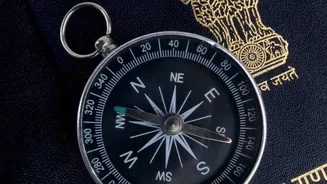
booking anything, check your passport. Most countries require it to be valid for at least six months from your date of entry and have at least two blank pages. Next, verify the visa rules for your destination. Many popular budget-friendly locations like Thailand, Malaysia, and Sri Lanka offer visa-free entry or a simple Electronic Travel Authorization (ETA) for Indian citizens. For instance, as of late 2026, Thailand offers a 30-day visa exemption, and Malaysia provides visa-free entry for 30 days until the end of the year. Sri Lanka has also made its ETA free for Indian nationals. Always check the latest information on the country’s official immigration website, as policies can change without much warning. For destinations requiring a visa on arrival, like Indonesia (Bali), be prepared with the necessary fee in the specified currency.
Bookings and Budget: Timing Is Everything
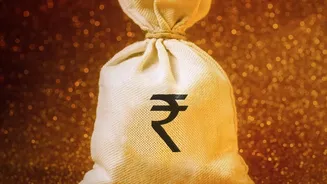
To secure the best deals, book your international flights at least six to ten weeks in advance. Fares for mid-week travel (Tuesdays to Thursdays) are often cheaper than weekend flights. Similarly, travelling during the 'shoulder season'—the period just before or after the peak tourist rush—can lead to significant savings on both flights and accommodation. Popular budget destinations for Indian travellers in 2026 include Vietnam, Thailand, Sri Lanka, and Bali, all known for their affordable stays, food, and local transport. A well-planned 5-6 night trip to one of these spots can often be managed within a budget of ₹50,000 to ₹90,000 per person, including flights.
Financial Planning: Currency and Cards
Managing money abroad requires a multi-layered approach. It is wise to carry a combination of payment methods: a forex card, some local currency in cash, and a credit or debit card as a backup. Forex cards often offer better exchange rates than standard credit or debit cards. Before you leave, inform your bank about your travel plans to avoid your cards being blocked for suspicious activity. Also, remember to enable international transactions on your cards via your banking app. When paying with a card, always choose to be charged in the local currency to avoid Dynamic Currency Conversion (DCC), which can come with unfavourable exchange rates. For cash, exchange a small amount in India for immediate expenses upon arrival and withdraw larger sums from local bank ATMs at your destination, rather than at airport counters, for better rates.
Health and Insurance: A Non-Negotiable Step
Travel insurance is crucial for any international trip. Medical emergencies abroad can be incredibly expensive, and standard Indian health policies rarely provide cover overseas. A good travel insurance policy covers emergency medical treatment, trip cancellation, and lost or delayed baggage. Before travelling, check for any mandatory vaccination requirements for your destination. Pack a small medical kit with any prescription medications you need, ensuring they are in their original packaging and accompanied by a doctor's prescription, as some countries have strict rules on certain substances.
Documents and Digital Copies
Beyond your passport and visa, carry printouts of your return flight tickets, hotel bookings, and travel insurance certificate. Many immigration officials will ask to see them. It is also essential to have digital copies of all important documents stored securely in your email or a cloud service. Remember that apps like DigiLocker may not be accepted as valid ID abroad, so physical copies and scans are your best bet. Having the address of your accommodation and emergency contact numbers saved offline on your phone can be a lifesaver.
Staying Safe: Avoiding Common Scams
Tourists can sometimes be targets for common scams. Be cautious of taxi drivers who claim their meter is broken or offer suspiciously cheap tours, which often lead to commission-based shops. Always use licensed taxis or reputable ride-hailing apps. Another common trick is someone approaching you at a tourist site claiming the attraction is closed, hoping to divert you to another location. Always verify such information at the official entrance. When using ATMs, stick to machines located inside banks to avoid card skimmers, and always cover the keypad when entering your PIN. Being aware of these common tactics is the best way to avoid them.