
A Patriotic Pull to the Peaks
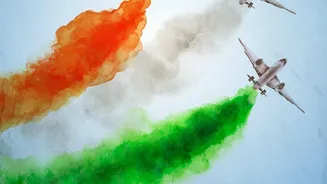
The upcoming Independence Day on August 15, which falls on a Saturday in 2026, has created an ideal three-day weekend for those willing to take a single day off on Friday. This opportunity is inspiring a growing number of urban dwellers to plan a meaningful
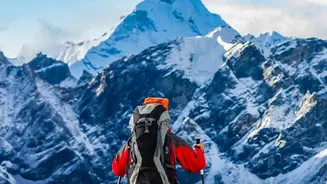
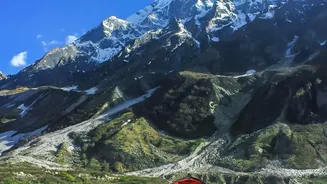
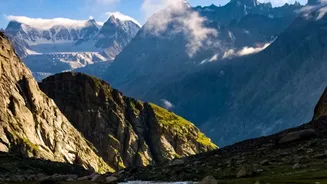
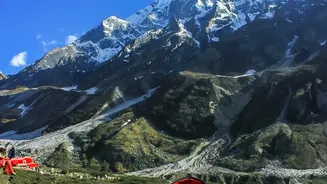
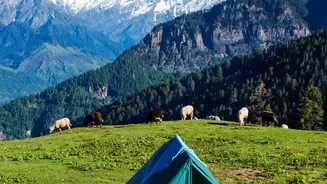
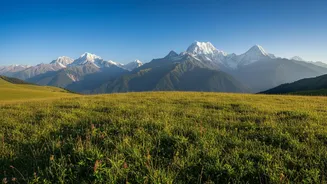
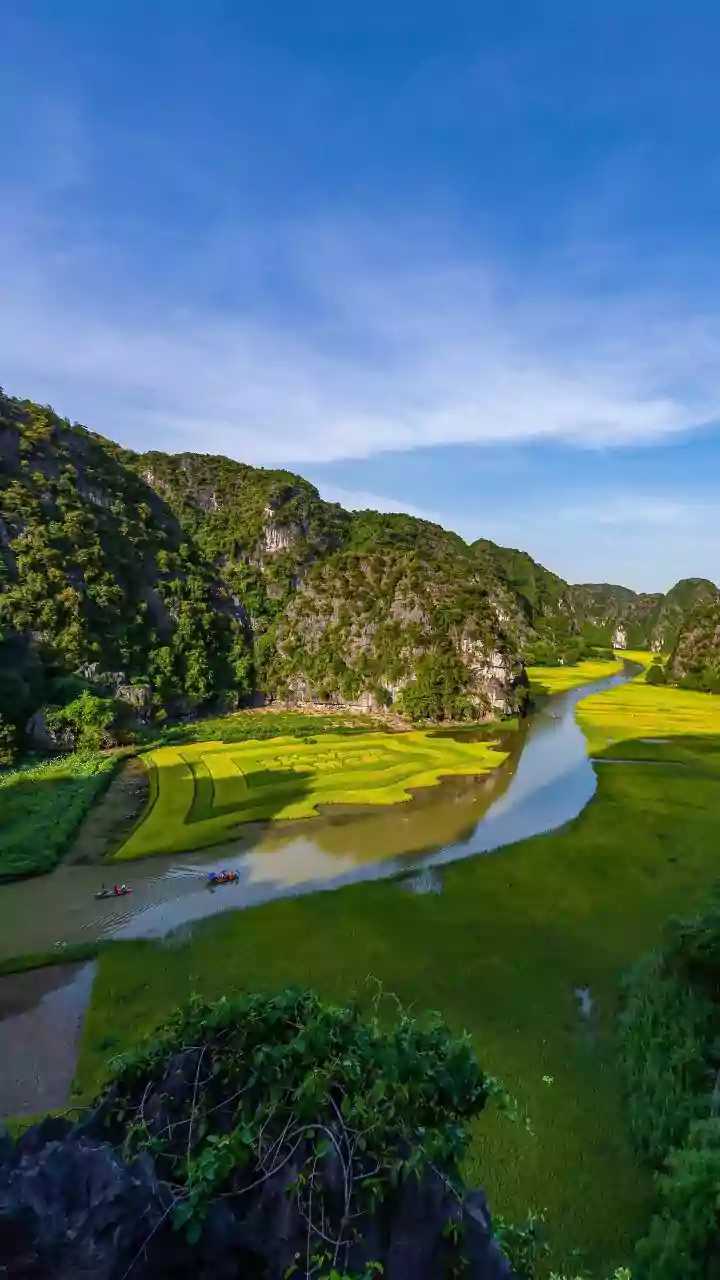
escape. Instead of conventional city-based celebrations, many are drawn to the serene and majestic landscapes of the Garhwal Himalayas. Tour operators and local guides report a significant uptick in inquiries and confirmed bookings, with travellers eager to combine the spirit of freedom with the open-air freedom of the mountains. The trend reflects a desire to connect with nature and experience a sense of peace and grandeur that contrasts sharply with the confines of daily life.
The Most In-Demand Monsoon Trails
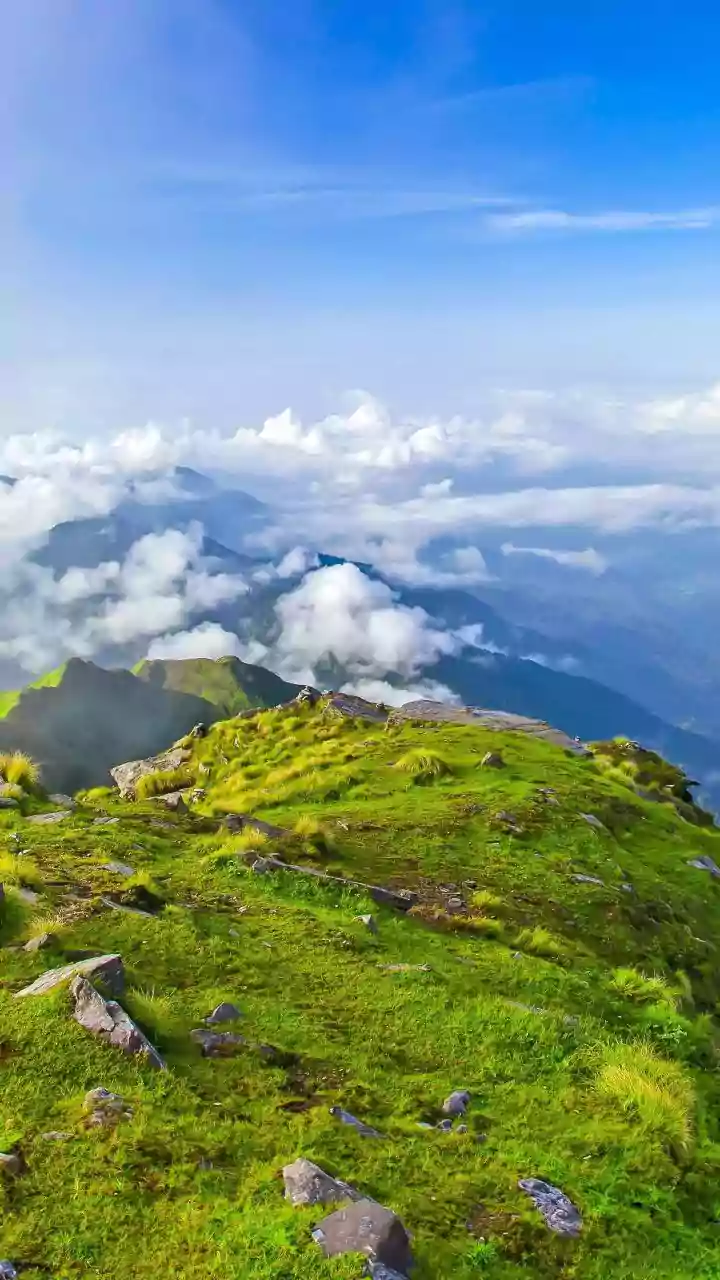
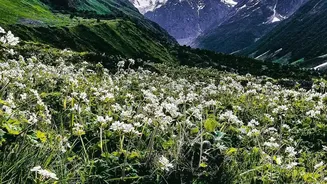
Despite it being peak monsoon, certain trails are perfectly suited for an August adventure and are seeing the most traffic. The undisputed star is the Valley of Flowers trek, a UNESCO World Heritage Site. This period is precisely when the valley is at its most spectacular, with over 500 species of alpine flowers in full, vibrant bloom. Trekking agencies show that batches for the Independence Day weekend are “filling fast.” Other popular choices include the Chopta-Chandrashila trek, which leads to the world's highest Shiva temple at Tungnath, and the beginner-friendly Nag Tibba trek near Mussoorie. These treks are considered relatively safe and accessible during the monsoon, offering lush green meadows and dramatic, misty skies.
Navigating Monsoon Trekking Challenges
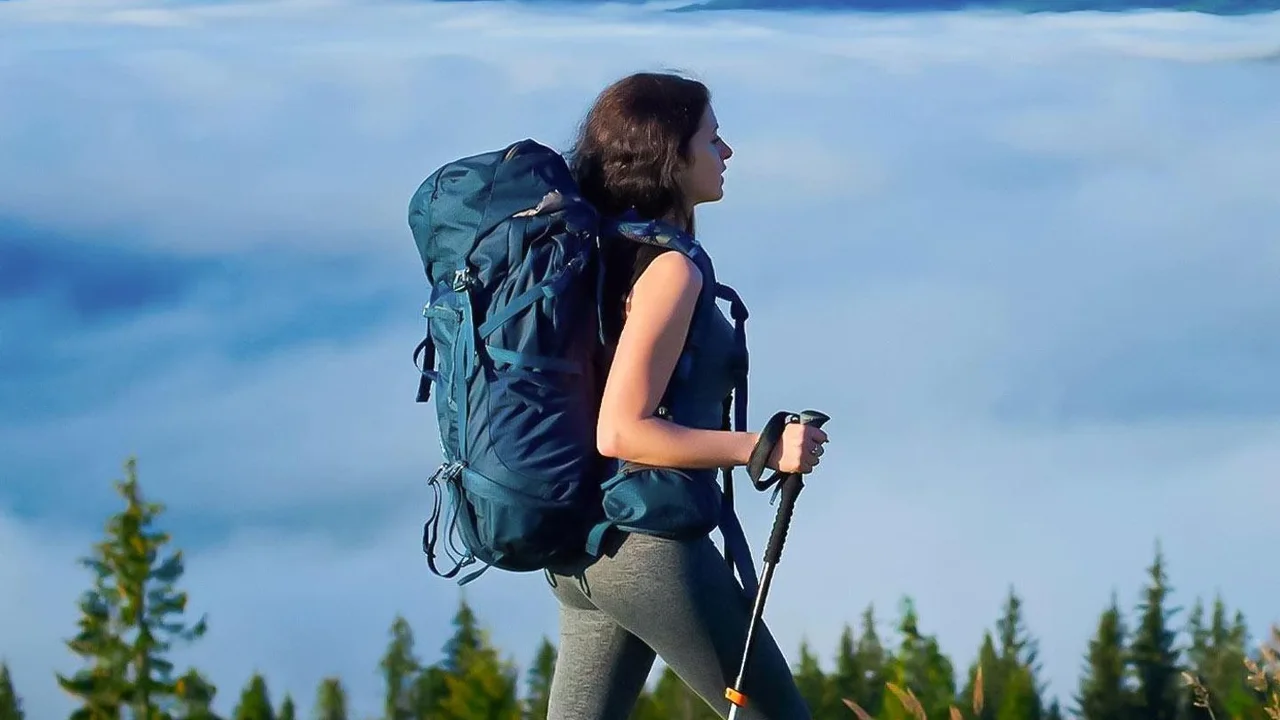
While the scenery is rewarding, trekking in Uttarakhand in August demands respect for the weather. The monsoon brings daily rainfall, high humidity, and potential challenges like slippery trails, landslides, and leeches. Road closures due to landslides are a real possibility, and trekkers are advised to build buffer days into their itineraries. Preparation is key to a safe and enjoyable experience. Essential gear includes high-quality waterproof layers for everything from your backpack to your boots, trekking poles for stability on slick paths, and leech socks. Hiring an experienced local guide is strongly recommended, as they possess intimate knowledge of the terrain and can navigate safely between weather windows.
What to Know Before You Go
For those still planning a last-minute trip, it is crucial to book with reputable, certified operators who prioritize safety. These agencies typically handle all logistics, including permits for protected areas like the Govind Wildlife Sanctuary and Nanda Devi Biosphere Reserve, transportation, and emergency equipment such as oxygen cylinders and first-aid kits. Treks like Roopkund and Har Ki Dun are generally best avoided in August due to higher risks associated with the season. Beginners should stick to easier trails like Nag Tibba or the Kunjapuri Sunrise Trek near Rishikesh. Always check the latest weather forecasts and road status at hubs like Joshimath before proceeding to your trek’s starting point.