





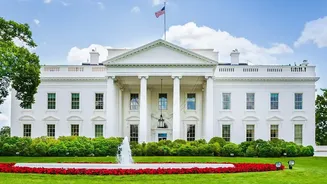
A disruptive wave of technical failures recently hit everything from air travel to banking, raising public concern. The White House moved to quell fears, stating the outages were separate incidents, not a coordinated attack.
A Cascade of Glitches
In a series of events that
felt uncomfortably close, several critical systems experienced significant disruptions in mid-November 2026. A Federal Aviation Administration (FAA) glitch led to a nationwide ground stop, the longest halt to air travel since 9/11. Shortly after, major companies including Microsoft, JPMorgan Chase, United Airlines, and Apple all reported separate technical problems affecting services from email to banking transactions and flights. Capping the week, the National Security Agency (NSA) confirmed a 'temporary degradation' of its own classified internal communications network, NSANet. This rapid succession of failures affecting both private and public sector infrastructure prompted widespread speculation about the potential for a larger, coordinated cyberattack against the United States.
The Official Explanation: Coincidence, Not Conspiracy
Top national security officials quickly and publicly pushed back against theories of a unified cyberattack. In testimony before the House Homeland Security Committee, Director of National Intelligence Jay Clayton, Homeland Security Secretary Markwayne Mullin, and FBI Deputy Director Christopher Raia all stated they had found no evidence of malicious or state-sponsored activity. 'These are separate service outages associated with maintenance and technical changes', Clayton clarified. Mullin expressed that he was '98 percent confident' the issues were not caused by foreign adversaries. The official narrative from the White House and its security agencies is that the cluster of outages was a statistical coincidence—a string of unrelated technical problems, software bugs, and routine maintenance gone awry.
Why So Many Failures at Once?
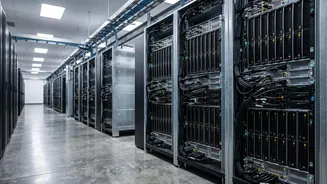
According to officials, a primary cause for some of the outages is an increased pace of system upgrades and patching. Director of National Intelligence Jay Clayton noted that America's digital infrastructure is 'increasingly outdated and needs to be upgraded', and the very process of making these necessary improvements can sometimes lead to temporary downtime. For instance, the NSA outage was linked to routine maintenance, while Microsoft's problems stemmed from a latent software defect from an earlier update. The FAA failure was traced to a router issue during contractor maintenance that overwhelmed aging systems. This highlights a difficult balancing act: the push to modernize and secure old systems can itself introduce new points of failure, especially when dealing with complex, interconnected networks.
A Symptom of a Deeper Problem?
Even if the incidents were not a coordinated attack, experts and critics warn they expose a fundamental fragility in the nation's critical infrastructure. Years of applying 'band-aid' solutions to legacy systems have left many government networks vulnerable. This issue has been compounded by a significant reduction in the federal technology workforce. Since early 2025, the federal workforce has shrunk considerably, including the elimination of specialized tech modernization units like 18F and the gutting of programs designed to bring new tech talent into government service. Critics argue that by firing the experts best equipped to maintain and upgrade these complex systems, the government has made widespread failures more, not less, likely.
The Path Forward: Scrutiny and Investment
In response to the outages, the White House has announced that 'tiger teams' of experts are reviewing the failures, particularly the FAA incident. The administration is calling for bipartisan legislation to provide more funding to modernize the agency's systems. The ongoing review by various technology teams will be critical in determining the precise causes of each failure and identifying common weaknesses. The findings will likely inform calls for greater investment in IT infrastructure and a renewed focus on recruiting and retaining technical talent within the federal government. Officials are also encouraging better communication from private companies during large-scale updates to avoid public panic and increase transparency.