




Why Your Breakfast Needs a Protein Boost
Starting your day with a protein-rich meal is one of the best things you can do for your body. Protein is highly satisfying, which helps you feel fuller for longer and can reduce the urge to snack between meals. This sustained energy release helps prevent
the mid-morning slump that often follows a carbohydrate-heavy breakfast. Studies have shown that a high-protein breakfast helps stabilize blood sugar levels for hours, preventing the sharp spikes and crashes that leave you feeling tired and hungry. It also supports muscle health and can aid in weight management by increasing your metabolic rate.
The Best Seeds for Your Powder
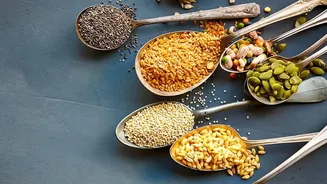
Not all seeds are created equal when it comes to protein. For a powerful and balanced blend, focus on these nutritional stars. Hemp seeds are a top contender, offering about 9.5 grams of protein per 28-gram serving and containing all nine essential amino acids. Pumpkin seeds (pepitas) are a close second with 8.5 grams of protein in the same serving size, plus a healthy dose of magnesium and zinc. Flaxseeds and chia seeds, while famous for their fibre and omega-3 content, are also great protein contributors, each providing around 5 grams of protein per 28 grams. Sunflower seeds round out the list, offering about 7 grams of protein per 28 grams and a boost of Vitamin E. Mixing these ensures you get a wide range of nutrients.
How to Make Your Seed Powder
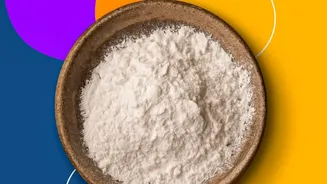
Creating your own seed powder is incredibly simple and much more cost-effective than buying pre-made mixes. Start with raw, unsalted seeds. While you can use them raw, lightly toasting the seeds in a dry pan for a few minutes can enhance their nutty flavour and reduce moisture, which helps with grinding and storage. Be sure to let them cool completely before the next step. Once cool, add the seeds to a high-speed blender or a smaller spice grinder. It's best to grind them in short pulses to prevent the natural oils from turning the powder into a paste. Aim for a fine, flour-like consistency for easy mixing. You can grind seeds individually and then mix them, or create your blend beforehand.
Getting the Ratios Right in Your Batter
The key to successfully adding seed powder to traditional batters like those for idli or dosa is to enhance, not overpower. A good rule of thumb is to start by adding one to two tablespoons of seed powder for every cup of batter. For a standard batch of dosa batter made with about three or four cups of rice and dal, you can comfortably mix in about a quarter cup of your seed powder. It's best to stir the powder in after the batter has finished fermenting, just before you're ready to cook. This ensures the seeds don't interfere with the fermentation process. The powder will blend in seamlessly, adding a subtle, nutty depth without significantly altering the taste or texture of your final dosas or idlis.
Tips for Taste and Versatility
Once you've made your seed powder, don't limit its use to just batters. This nutritious blend is incredibly versatile. You can knead a tablespoon or two into your chapati or roti dough for an easy protein and fibre boost. It’s also a fantastic addition to smoothies, a topping for oatmeal or yogurt, or even mixed into chutneys and dips to thicken them and add nutrients. To keep your homemade powder fresh and preserve its delicate oils, store it in an airtight container in the refrigerator. It should last for several weeks, making it a convenient and ready-to-use health booster for any meal of the day.