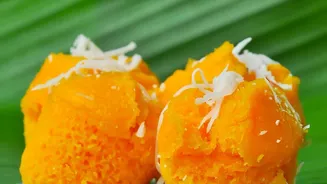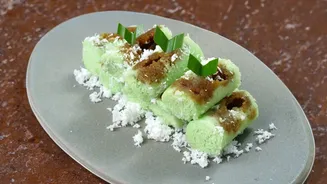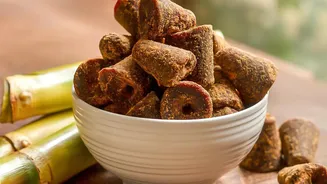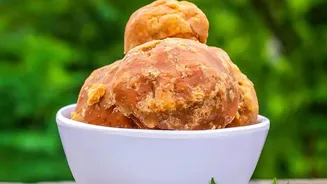



What Is Palm Jaggery?
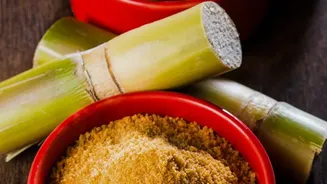
Palm jaggery, known regionally as 'karupatti' or 'taal gur', is a traditional, unrefined sweetener made from the sap of various palm trees, such as the palmyra, date, or toddy palm. The process is beautifully simple and has remained unchanged for generations.
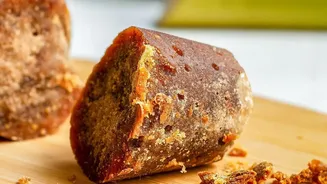
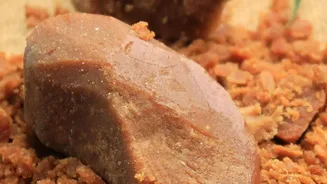
Tappers skillfully collect the sweet nectar, or 'neera', from the tree's flower stalks. This sap is then boiled in large vats, often over a wood fire, until it thickens into a rich, dark syrup. It is then poured into moulds, traditionally coconut shells, to cool and solidify into blocks. Unlike refined sugar, this process involves no chemical agents or bleaching, which allows the jaggery to retain its natural mineral content.
The Allure of a 'Healthier' Sweet
The primary driver behind palm jaggery's resurgence is its nutritional profile. While refined sugar offers empty calories, palm jaggery is a powerhouse of minerals like iron, magnesium, potassium, and calcium. It’s particularly celebrated for its high iron content, which may help in preventing anemia. Another key advantage is its lower glycemic index (GI). While refined sugar has a GI of around 65, estimates for palm jaggery range from 35 to 50. This means it releases energy more slowly, causing a more gradual rise in blood sugar instead of a sharp spike. However, it's important to remember that it is still a form of sugar. It contains a similar number of calories to white sugar and should be consumed in moderation.
A Baker's Guide to Using Palm Jaggery
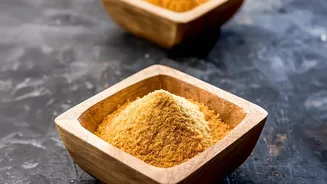
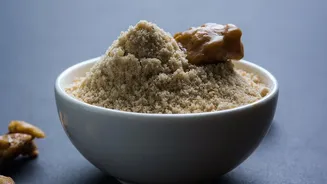
Swapping sugar for palm jaggery in baking isn't always a straightforward 1:1 substitution. Jaggery is generally considered less sweet than refined sugar, so a common rule of thumb is to use about 1.25 cups of jaggery for every 1 cup of sugar to achieve the same level of sweetness. Its higher moisture content can also affect texture, often resulting in softer, denser, and moister cakes and muffins. This added moisture is a benefit in many recipes but might require a slight reduction in other liquids. For easy integration, powdered palm jaggery is the best choice for baking, as it mixes smoothly into batters. If you have a block, simply grate it finely before use.
More Than Sweetness, It’s About Flavour
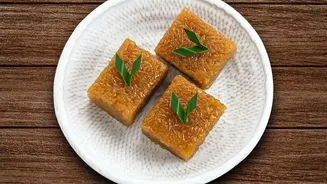
Perhaps the most compelling reason home cooks are falling in love with palm jaggery is its complex flavour. It brings more than just sweetness to a dish; it imparts a rich, deep, and earthy taste with distinct notes of caramel, toffee, and sometimes a hint of smokiness. This unique profile elevates desserts, pairing wonderfully with chocolate, coffee, and spices like cinnamon and cardamom. While sugarcane jaggery is more common, palm jaggery has a more intense and complex flavour that is particularly prized in the traditional sweets of Bengal and South India. Its ability to add character and depth is transforming everything from simple tea cakes and cookies to elaborate festive desserts.
Choosing the Right Jaggery
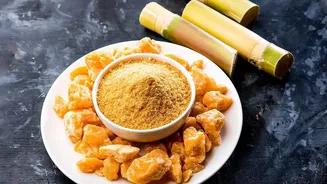
When shopping for palm jaggery, look for organic options to ensure no chemical clarifiers or pesticides were used in its production. Authentic, pure palm jaggery should be dark brown; a lighter colour might suggest it has been mixed with other sugars. It comes in several forms: solid blocks, liquid syrup, and granulated or powdered. Solid blocks are the most traditional, while the powdered form is the most convenient for baking and daily use. Store it in an airtight container to protect it from humidity and preserve its rich aroma and flavour.