




The Real Story of Muscle Growth
Many people believe that muscles get bigger and stronger during the actual workout. In reality, the opposite is happening. When you perform resistance exercises like squats or lunges, you're creating tiny, microscopic tears in your muscle fibres. This
is a normal and necessary process called muscle breakdown. The magic of muscle growth, or hypertrophy, happens after your workout ends, during the rest period. In this recovery phase, your body gets to work repairing these damaged fibres. It fuses them back together, and in the process, adds new muscle protein strands, making the fibres thicker and stronger than before. This repair process is what leads to increased muscle size and strength over time.
The 48-Hour Rule for Legs
Because your legs house some of the largest muscle groups in your body, they require significant work to stimulate growth and need adequate time to recover. The general consensus among fitness experts is to allow at least 48 to 72 hours of rest between intense leg-training sessions. This break allows the muscle-repair process to complete and for your body to replenish its energy stores. During exercise, your muscles use stored carbohydrates called glycogen for fuel. Rest days are crucial for topping up these energy reserves, ensuring you have the power you need for your next session. Training your legs again before they have fully recovered can short-circuit the growth process and actually hinder your progress.
Signs You're Not Resting Enough
Overtraining is a real risk, especially with the convenience of home workouts. It occurs when you don't give your body enough time to recover between sessions. One of the most common signs is a feeling of 'heavy' or stiff legs, even at lower intensities. You might also experience persistent muscle soreness that doesn't go away, a plateau or even a decline in your performance, and a general sense of fatigue or lack of motivation. Other lifestyle symptoms can include poor sleep quality, increased irritability, and a weakened immune system. Listening to your body is key; if you feel unusually tired or your workouts feel harder than they should, it may be a sign you need an extra rest day.
Make Your Rest Days Productive
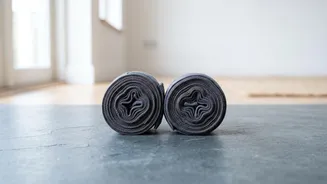
A rest day doesn't have to mean sitting on the couch all day. In fact, engaging in 'active recovery' can help aid the healing process. Light activities like walking, gentle stretching, or yoga can increase blood flow to the muscles, which helps deliver the nutrients needed for repair and can reduce stiffness. This is also a great time to use a foam roller to help release muscle tightness. Think of recovery as a non-negotiable part of your training plan. Just as you schedule your workouts, it's beneficial to plan your recovery activities to ensure you're giving your body the best possible chance to rebuild and come back stronger.
A Smart At-Home Leg Workout
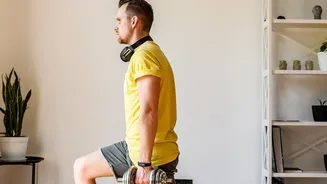
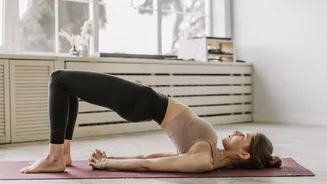
To make your rest days count, you need to give your muscles a reason to grow. A simple and effective at-home leg workout doesn't require any fancy equipment. Bodyweight exercises are excellent for building foundational strength. A well-rounded routine should include compound movements that work multiple muscles at once. Focus on mastering the form of fundamental exercises like bodyweight squats, which target your quads, hamstrings, and glutes. Add in lunges to challenge your stability and work each leg independently. Finally, include glute bridges to activate your posterior chain and calf raises to target your lower legs. These exercises provide the stimulus; the 48 to 72 hours of rest that follows is when your body does the work of building strength.