




Strength Beyond Aesthetics
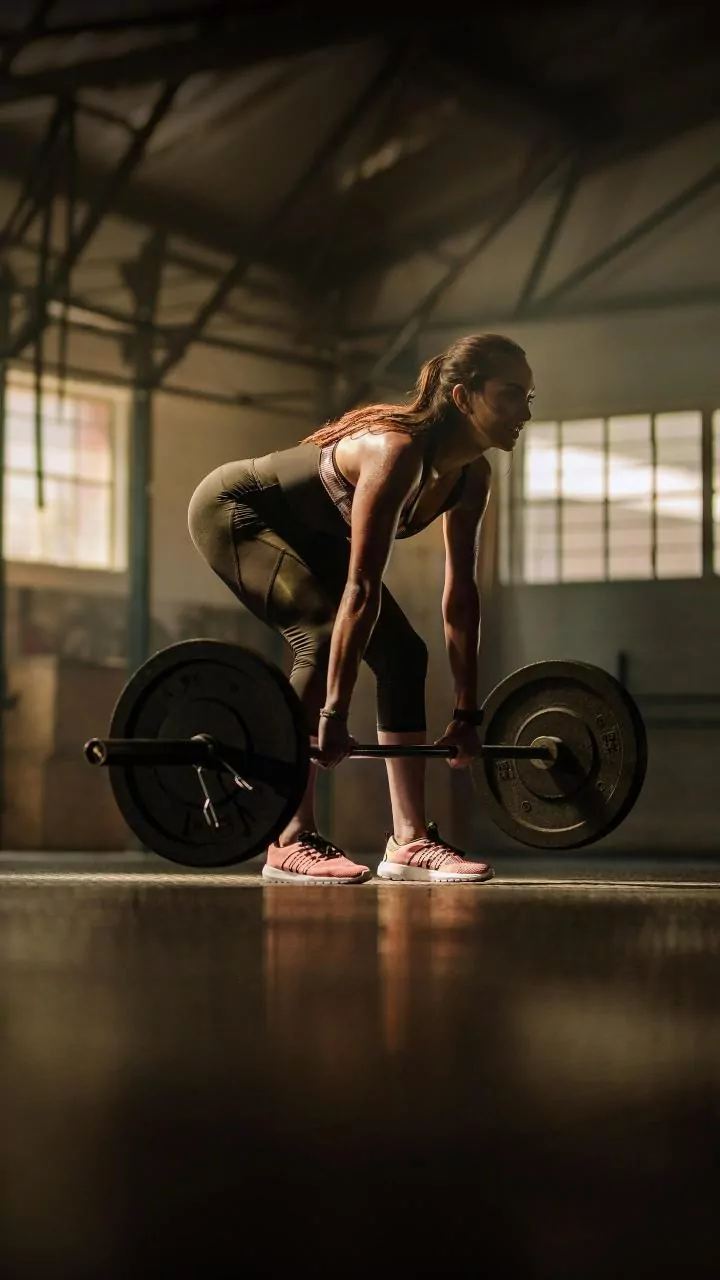
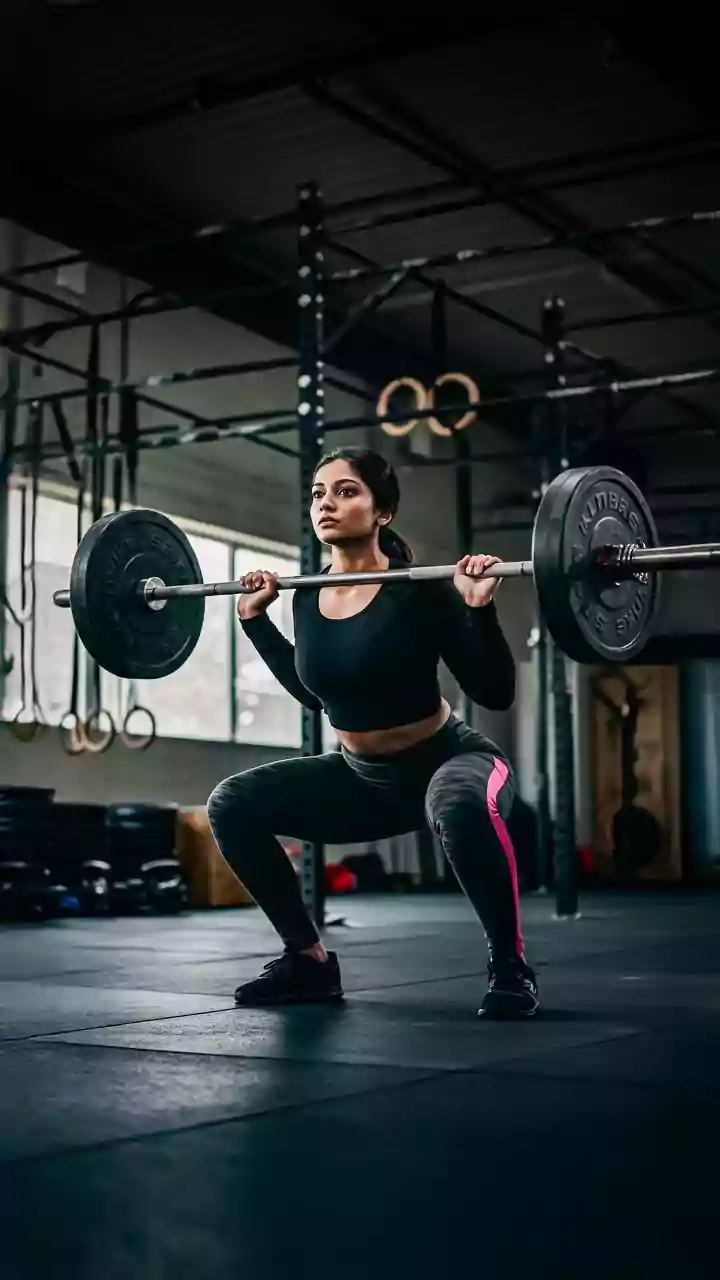
The fitness world is moving away from a singular focus on aesthetics and towards a more holistic approach to health. Enter functional strength training, a philosophy centred on exercises that mimic everyday movements. Think squatting to pick something
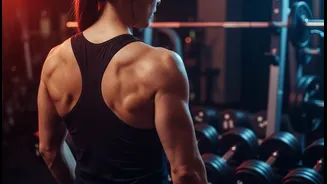
up, lifting groceries, or pulling open a heavy door. This approach builds strength for real-life activities, improving overall quality of life, posture, and balance. For a growing number of women, this practical application is far more appealing than traditional bodybuilding, which often prioritises muscle size. The goal isn't just to look strong, but to be strong in ways that matter outside the gym, from preventing injury to maintaining independence as we age.
Dismantling the 'Iron Ceiling'
The phenomenon of 'gymtimidation' is real, particularly for women in historically male-dominated free-weight areas. Feelings of being judged, a lack of knowledge about complex equipment, and an unwelcoming atmosphere have long created an invisible barrier, often called the 'iron ceiling'. Studies have shown that many women feel stared at or out of place, causing them to avoid the weights section entirely. Some even report that equipment seems designed exclusively for men, with grips too large or racks too high. This has traditionally pushed women towards cardio machines, reinforcing outdated gender norms in fitness. Acknowledging this intimidation is the first step brands are taking to create more inclusive environments.
Designing for Inclusivity
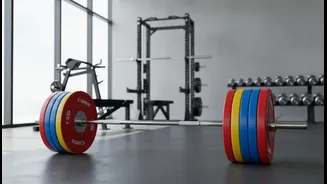
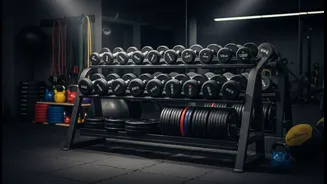
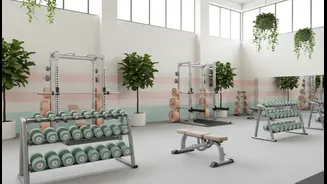
So, what does a 'women-friendly' lifting zone look like? It's less about creating a separate, 'pink' section and more about thoughtful, inclusive design. These modern spaces often feature better lighting, clearer signage, and a more open layout to reduce feelings of being crowded or watched. The equipment mix is also evolving. Alongside traditional barbells, you’ll find a greater variety of tools like kettlebells, resistance bands, TRX straps, and functional cable machines that are less intimidating and more versatile. Some gyms are creating semi-private 'pods' for small group or personal training, offering a more guided and less exposed experience. The focus is on creating a supportive atmosphere where learning and progress are prioritised over competition.
A Smart and Powerful Business Model
This evolution isn't just about goodwill; it's a savvy business decision. Women now make up the majority of gym members in many markets and represent a powerful consumer group. Yet, many feel their needs are not fully met by traditional gym models. Fitness brands are finally realising that the old stereotypes—that women don't want to lift heavy or prefer only low-intensity workouts—are not just false, but costly. Data shows a huge demand for strength training among female clients. By creating environments where women feel comfortable and empowered to pursue strength goals, gyms can improve member retention, attract new clientele, and tap into a market that has long been underserved. These brands understand that making women feel like they belong is key to long-term success.