

Why 2026 Is a Special Year for Auroras
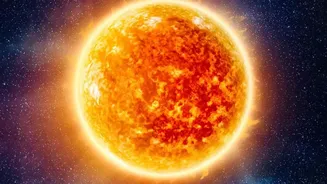
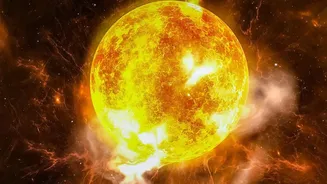
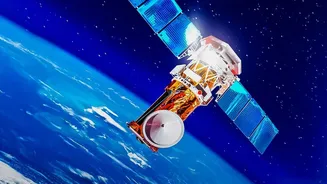
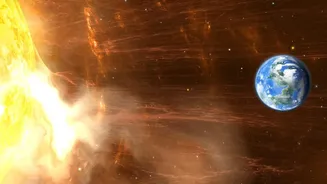
The Sun operates on an approximately 11-year cycle of activity, swinging from a quiet solar minimum to a turbulent solar maximum. We are currently in Solar Cycle 25, which has been building towards its peak. This maximum period, expected to create prime
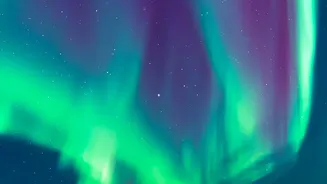
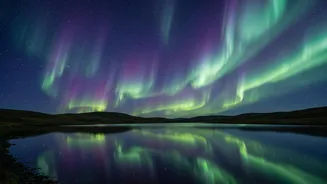
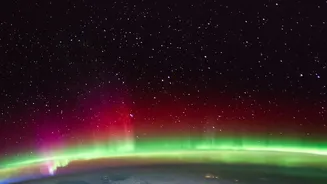
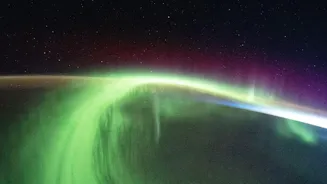
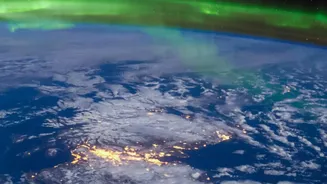
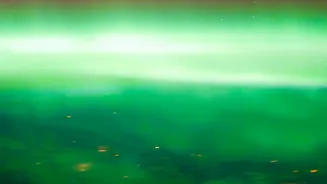
viewing conditions through 2026, means the sun is releasing more solar flares and coronal mass ejections. These are massive explosions of plasma and magnetic fields that travel to Earth. When these charged particles collide with gases in our planet's atmosphere, they create the dazzling light show we know as the aurora. A more active sun means more frequent and intense auroras, which may even be visible at lower latitudes than usual. While the absolute peak may have occurred in late 2024 or 2025, the years immediately following are often marked by powerful geomagnetic storms, making 2026 a prime window for aurora chasing.
Picking the Perfect Destination
To maximise your chances, you need to go where the auroras live: inside or near the Arctic Circle, a region known as the auroral oval. For travellers from India, this means planning an international trip. Top destinations include Norway, Sweden, Finland, Iceland, and parts of Canada and Alaska. Tromsø in Norway, often called the 'Gateway to the Arctic', is a popular and accessible choice. Finnish Lapland offers the unique experience of watching the lights from a glass igloo. Iceland provides a stunning backdrop of volcanoes and glaciers. In North America, Fairbanks, Alaska, and Yellowknife, Canada, are renowned for their clear winter skies and prime location directly under the auroral oval. While auroras are not visible from India, Ladakh's Hanle Dark Sky Reserve offers pristine skies for stargazing, with an extremely remote chance of capturing a faint auroral glow on camera during a severe geomagnetic storm.
When to Plan Your Trip
Timing is everything. The best months for aurora hunting are from late September to late March. During this period, the nights are long and dark, providing a perfect canvas for the lights. The hours between 10 p.m. and 2 a.m. local time are typically the most active. Plan your trip around the new moon, as a bright full moon can wash out the fainter aurora displays. Weather is another critical factor; you need clear, cloudless skies to see the show. Since weather can be unpredictable, it's wise to plan for a stay of at least three to four nights in your chosen location to increase your chances of getting a clear night. Autumn (September-October) and late winter (February-March) are often recommended as they can offer a good balance of dark skies and slightly more manageable weather conditions.
Essential Apps and Gear
Modern technology makes aurora hunting much easier. Before you go, download a reliable aurora forecasting app. Apps like Hello Aurora, My Aurora Forecast, and Aurora Alerts provide real-time data on solar wind activity and predict the likelihood of seeing the lights in your specific location. They can send you alerts when activity is high, so you don't miss an opportunity. Packing the right clothing is also crucial. Arctic winter temperatures are frigid, so dress in multiple layers, including a thermal base layer, a fleece or wool mid-layer, and a waterproof and windproof outer jacket and pants. Insulated boots, warm socks, gloves, and a hat are non-negotiable. Chemical hand and foot warmers can also be a lifesaver while you wait patiently in the cold.
How to Photograph the Aurora
Capturing the beauty of the aurora on camera is a rewarding challenge. You don't necessarily need professional equipment, but a smartphone won't always do it justice without some preparation. A camera with manual settings (DSLR or mirrorless) is ideal. Use a sturdy tripod to keep your camera perfectly still during long exposures. A good starting point for your settings is a wide aperture (f/2.8 or lower), a long exposure time (between 5 and 20 seconds), and a high ISO (800 to 3200). Manually focus your lens to infinity to ensure the stars and lights are sharp. Remember to turn off your flash. It can take some trial and error, so practice your settings before the lights appear. And don't forget to put the camera down and simply enjoy the breathtaking spectacle with your own eyes.