





The Engine of India's On-Demand Economy
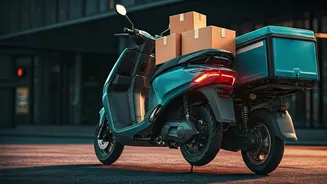
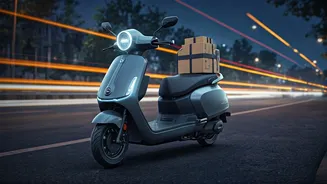
India's gig economy is a force of nature, with a workforce expected to reach 23.5 million by 2029-30. A significant portion of these workers are the backbone of last-mile delivery and ride-hailing services, covering vast distances daily on two-wheelers.
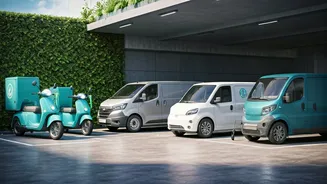
These fleets, currently dominated by petrol-powered vehicles, are a critical target for electrification to meet India's climate goals and reduce urban pollution. Companies like Swiggy and Zomato have already pledged to transition their fleets to 100% EVs by 2030, but the reality on the ground is complex. The success of India’s national EV ambitions hinges on making the switch viable for this very group of high-mileage commercial users.
The Sticker Shock Barrier
The single biggest hurdle for a gig worker is the high upfront cost of an electric vehicle. EVs are often priced 1.5 to 2 times higher than their internal combustion engine (ICE) counterparts. Even with government subsidies like the FAME scheme, which was updated to FAME-III, the initial investment is a major deterrent for individuals who rely on daily earnings. While the total cost of ownership (TCO) for an EV is lower over time due to significant savings on fuel and maintenance, this long-term benefit is hard to prioritise when upfront capital is scarce. For a delivery partner, the immediate cost of the vehicle is a far more pressing concern than theoretical savings months or years down the line. This makes accessing the 85-90% lower running costs of an EV a distant dream.
Infrastructure Gaps and Range Anxiety
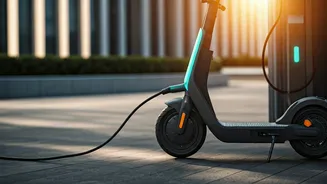
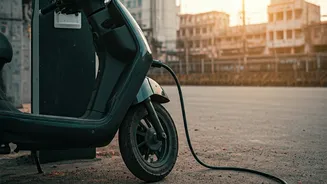
Even if a worker can afford an EV, practical challenges remain. The most prominent is the lack of a robust, widespread charging infrastructure. Many gig workers live in dense urban areas without access to private parking or home charging facilities. This leads to a heavy reliance on public charging, which is often limited and time-consuming. For a gig worker, time is money; hours spent waiting for a vehicle to charge are hours without earnings. This creates significant 'range anxiety'—the fear of running out of power mid-shift. Battery swapping has emerged as a promising solution, allowing drivers to exchange a depleted battery for a full one in minutes. Startups like Battery Smart and Sun Mobility are expanding their networks, but standardisation remains a challenge, and coverage is still far from universal.
The Crucial Missing Link: Financing
The third major roadblock is the lack of accessible financing. Traditional banks and NBFCs are often hesitant to extend credit to gig workers, who may lack formal credit histories or have fluctuating incomes. This makes securing a loan for a higher-priced EV nearly impossible. Furthermore, the absence of a well-developed secondary market for used EVs makes lenders view them as risky assets, leading to higher interest rates where loans are available. This financing gap has created a market for EV-as-a-Service (EVaaS) platforms, which offer vehicles on a subscription or rental basis, bundling maintenance and insurance. While these services provide a crucial bridge, they highlight the fundamental market failure in providing direct ownership pathways for gig workers.
Paving a Smoother Path Forward
Creating a smoother transition requires a coordinated effort from multiple stakeholders. For the government, this means designing policies that go beyond simple subsidies. Recommendations from industry bodies include government-backed low-interest loans, inclusion of EV loans under Priority Sector Lending (PSL), and establishing clear standards for battery swapping to ensure interoperability. For financial institutions, it means developing innovative credit models that accurately assess the earning potential of gig workers. For aggregator platforms, it involves taking greater responsibility by co-creating tracking methodologies, offering skilling programs, and facilitating easier access to vehicles for their partners. Ultimately, a successful transition depends on viewing gig workers not as obstacles, but as essential partners in achieving a greener economy.