






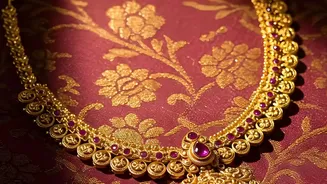

The Glimmer of Gold Gets Brighter
A dramatic surge in gold-backed lending is reshaping India's retail credit landscape. According to recent Reserve Bank of India (RBI) data for August 2026, loans against gold jewellery skyrocketed by a staggering 83.2% year-on-year, reaching Rs 5.6 lakh
crore. In the first five months of the fiscal year 2027 alone, gold loans added nearly Rs 98,100 crore to the banking system, a figure almost equal to the growth seen in home loans. This trend is not a flash in the pan; the gold loan market has expanded significantly over the past few years. Several factors are fuelling this boom. Rising gold prices have naturally increased the collateral value, allowing borrowers to secure larger loan amounts. Furthermore, the process is quick, often requires minimal documentation, and does not depend on a formal credit score, making it highly accessible, particularly for small business owners and individuals in semi-urban and rural areas.
The Plastic Promise Hits a Plateau
In stark contrast, the once-unbridled growth of credit cards is showing clear signs of deceleration. RBI data from August 2026 revealed that outstanding credit card dues grew by a mere 3.6% year-on-year, a significant slowdown compared to previous years. Similarly, loans for consumer durables rose by only 2.4%. Both figures lag far behind the overall bank credit growth of 19.1%. This cooling-off period follows regulatory action by the RBI, which increased the capital lenders must set aside for unsecured loans, prompting banks to tighten their lending criteria. Banks are now moving from a strategy of mass issuance to one focused on acquiring higher-quality customers with stronger repayment histories. As a result, new card issuances have dropped, and the average spend per card has also seen a decline, reflecting a more cautious approach from both lenders and consumers.
Two Tales of a Single Economy
The diverging paths of gold loans and credit cards tell a story about the dual nature of the Indian economy and the differing needs of its consumers. Credit card spending, which is still growing in absolute terms but at a slower pace, is largely driven by online e-commerce transactions in urban centres. It represents aspirational consumption and discretionary spending. Gold loans, on the other hand, often serve more immediate and essential needs. They are a lifeline for Micro, Small, and Medium Enterprises (MSMEs) needing quick working capital, farmers managing seasonal expenses, or families facing unexpected medical bills. The preference for gold loans is deeply embedded in Indian culture, where gold is viewed as a safe, liquid, and emotionally significant asset. Pledging gold is often seen as a more prudent and less stressful option than accumulating high-interest, unsecured debt on a credit card.
A Cautious Turn Towards Security
This pivot towards secured borrowing reflects a broader sentiment of economic caution. Households are becoming more wary of unsecured debt and are instead leveraging tangible assets to meet financial needs. The shift is a rational response to an environment of tightening credit standards and economic uncertainty. Lenders, too, are more comfortable with asset-backed loans in the current climate, as the collateral provides a safety net against defaults. While the growth in credit cards is moderating, it is not collapsing; instead, the market appears to be maturing after a period of rapid, sometimes frenzied, expansion. The current trend suggests a rebalancing, where Indian borrowers are making a clear distinction between credit for lifestyle enhancement and loans for essential financial support, increasingly choosing the security of gold for the latter.