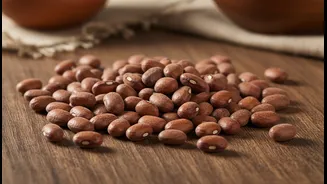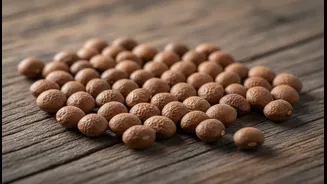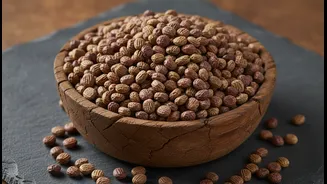





What Is Horse Gram?
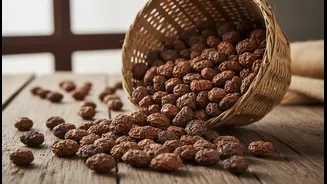
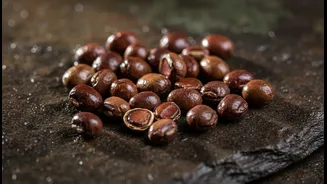
Horse gram, scientifically known as Macrotyloma uniflorum, is a resilient legume that has been cultivated in India for over two thousand years. It's a staple in many parts of the country, especially in southern states, where it is known by regional names
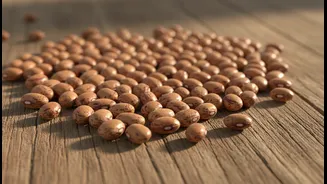
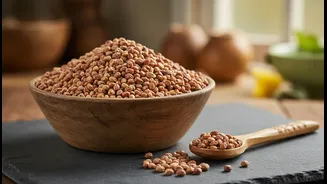
like 'kulthi' or 'kulith' in the north, 'kollu' in Tamil Nadu, and 'hurali' in Karnataka. Despite its name, which comes from its traditional use as feed for livestock, this pulse is a dense source of nutrition for humans. With a robust, earthy flavour and a firm texture, it stands apart from softer lentils like moong or masoor dal. This hardy crop thrives in dry, tough conditions, making it an accessible and affordable protein source for many rural communities.
Why Is It Considered a Superfood?
The buzz around horse gram is well-deserved. It is packed with protein, containing roughly 22-24%, which is about double the amount found in cereal grains. It is also an excellent source of dietary fibre, which aids digestion and promotes a feeling of fullness. The nutritional benefits don't stop there. Horse gram has the highest calcium content among all pulses and is rich in iron, phosphorus, and essential vitamins. Traditional Ayurvedic medicine has long valued it as a 'heating' food, used to treat ailments like the common cold, asthma, and kidney stones. Modern science has begun to validate some of these benefits, noting its antioxidant and anti-inflammatory properties.
How Do I Prepare and Cook It?
Cooking with horse gram requires a bit of patience, but the results are worth it. Due to its hard seed coat, it needs more preparation than other dals. Soaking is an essential first step. You should rinse the grains thoroughly and then soak them overnight, or for at least 8 hours. This step not only softens the pulse for quicker cooking but also makes it easier to digest. After soaking, the most efficient way to cook horse gram is in a pressure cooker. It typically takes about 30-40 minutes at pressure for the seeds to become tender, though they will still hold their shape rather than turning to mush. Don't discard the water it was cooked in; this liquid is full of nutrients and flavour and can be used as a base for soups like rasam.
What Are Some Simple Recipes?
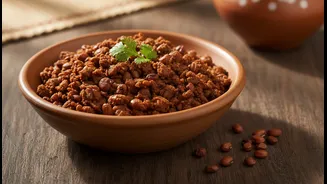
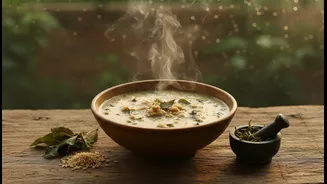
You can use horse gram in many of the same ways you use other dals. One of the simplest preparations is a classic Kulthi Dal. After pressure-cooking the soaked beans, you can prepare a tadka by frying mustard seeds, cumin, garlic, and onions in oil or ghee, then adding spices like turmeric and chilli powder before combining it with the cooked dal. Another popular dish is Kollu Rasam, a flavourful and medicinal soup made using the nutrient-rich water left over from boiling the horse gram, seasoned with tamarind, tomato, and spices. For a healthy snack or salad, you can also sprout the horse gram. Soaked beans can be sprouted over a couple of days and then used in stir-fries or eaten raw.
Are There Any Downsides?
While incredibly nutritious, horse gram does have a few points to be aware of. Like many legumes, it contains phytic acid, an anti-nutrient that can slightly reduce the absorption of minerals like iron and zinc. However, the processes of soaking, sprouting, and cooking significantly reduce these compounds. Its high fibre content and a specific type of carbohydrate can cause gas and bloating for some people, especially if consumed in large quantities. It's best to introduce it into your diet gradually. Ayurvedic tradition also considers it a 'hot' food, so it's typically consumed more in winter and in moderation during hot weather.
What Other Regional Pulses Are Worth Trying?
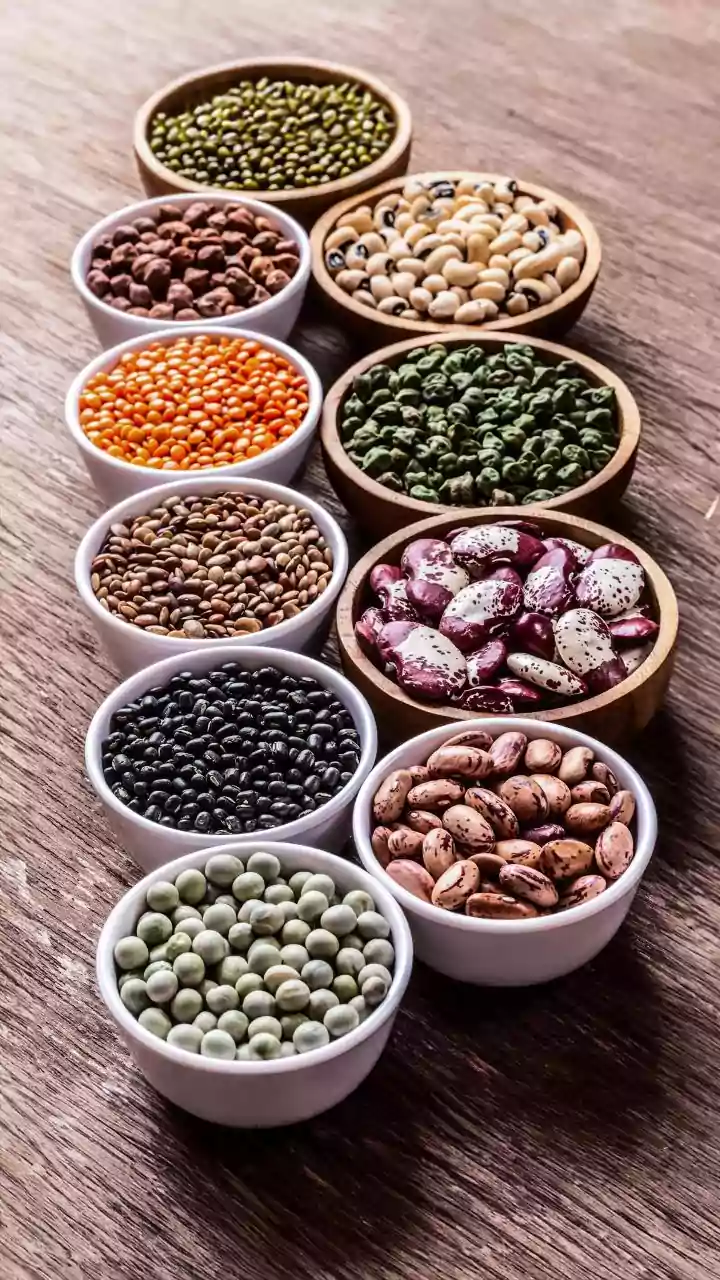
Exploring horse gram opens the door to a world of other affordable and nutritious regional Indian pulses. If you enjoy the heartiness of kulthi, look for 'kala chana' (desi chickpeas), which are smaller and firmer than the kabuli variety and have a robust, earthy taste. Another excellent choice is 'lobia' (black-eyed peas), which have a creamy texture and are used in curries and salads. Don't overlook moth beans ('matki'), another drought-resistant legume popular in Western India, often sprouted and used to make misal. These pulses, like horse gram, are not only budget-friendly but also offer a diverse range of flavours and textures that can enrich your everyday meals.