

A New Look at an Old Nightmare
Scientists are painting a grim picture of what a single nuclear weapon detonated in orbit could do to our modern world. A recent study, published on the preprint site arXiv by researchers from the University of Wisconsin-Madison and Princeton University,
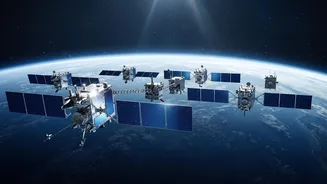
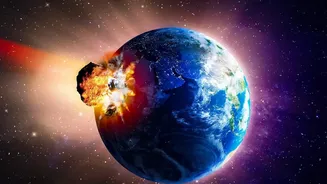
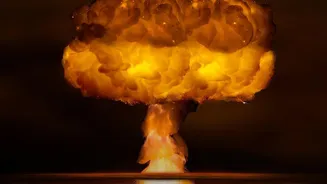
has moved this Cold War-era fear firmly into the 21st century. Using sophisticated computer simulations, the team modelled the effects of a one-megaton nuclear blast at an altitude of 500 kilometres. The findings are stark: such an event could disable an astonishing 98% of all satellites in low-Earth orbit within a single week. This research isn't just a theoretical exercise; it comes amid renewed geopolitical tensions and reports of nations developing anti-satellite capabilities, making the unthinkable something that requires serious consideration.
The Belt, Not the Blast
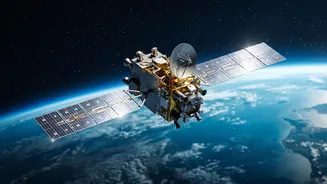
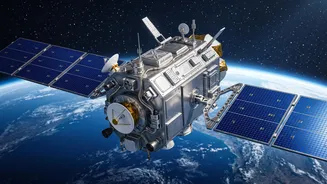
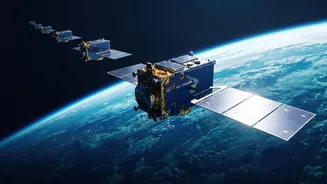
When a nuclear weapon explodes in the vacuum of space, the immediate blast is not the primary long-term threat to satellites. Instead, the real danger comes from what is left behind. The detonation releases a flood of high-energy electrons from nuclear fission. These particles are then trapped by Earth’s magnetic field, creating a persistent, man-made radiation belt. While the initial explosion might immediately knock out a small percentage of satellites, the vast majority of the damage occurs as the thousands of satellites in low-Earth orbit repeatedly pass through this newly formed, intensely radioactive zone. Each pass bombards their sensitive electronics with damaging radiation, leading to a rapid, cumulative failure across the entire orbital network. The study found that even if satellites were built with three times their current radiation tolerance, 97% would still fail within two weeks.
Echoes of Starfish Prime
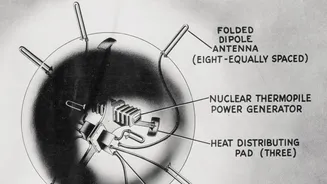
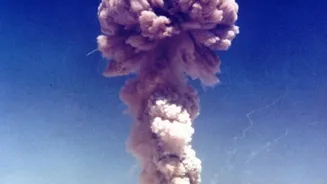
This terrifying scenario is not entirely hypothetical. In July 1962, the United States conducted a high-altitude nuclear test called Starfish Prime. A 1.4-megaton warhead was detonated 400 kilometres above the Pacific Ocean, providing the world's only real-world data on such an event. The effects were far greater than expected. The blast created a visible aurora over Hawaii, nearly 1,500 kilometres away, and knocked out streetlights and telephone links on the ground. More significantly, it created an artificial radiation belt that proved lethal to the fledgling satellite population of the era. In the months that followed, at least a third of the satellites then in orbit, including the UK's first satellite, Ariel 1, and the pioneering Telstar communications satellite, failed due to radiation damage from the test. At the time, only a few dozen satellites existed; today, there are over 13,000 in low-Earth orbit alone.
Life Without Satellites
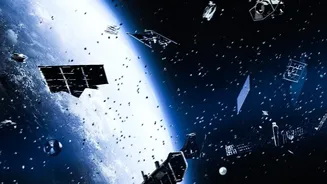
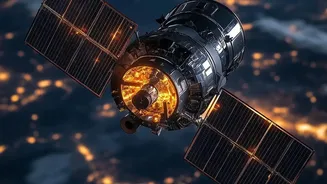
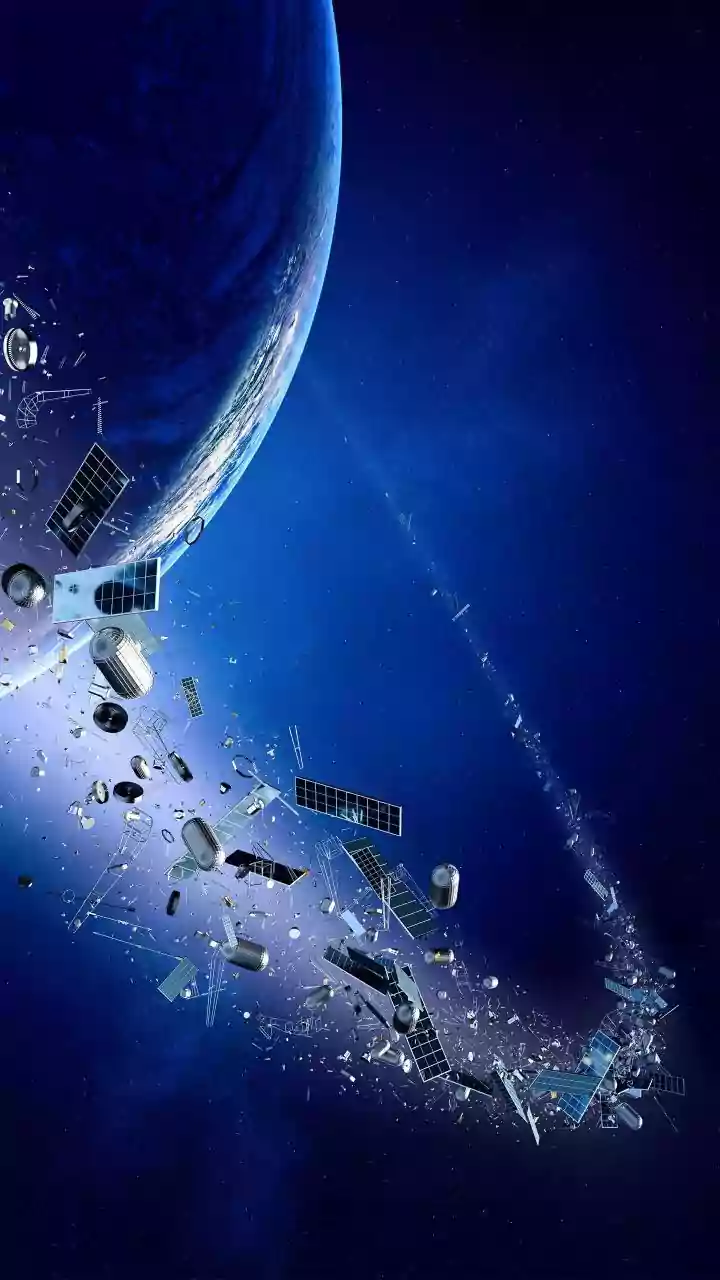
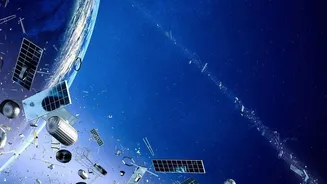
The cascading failure of thousands of satellites would trigger a global crisis, impacting nearly every aspect of modern life. Global positioning systems (GPS) would cease to function, crippling transportation and logistics networks. Financial markets would face severe disruption, as many banking transactions rely on satellite timing signals. Global communications, including satellite internet and phone services, would break down. Weather forecasting would become far less accurate, and military command and control systems would be blinded. The simulation also highlighted a secondary threat: as disabled satellites lose their ability to manoeuvre, the risk of collisions rises dramatically, creating clouds of space debris that could endanger future launches for years, a cascading effect known as the Kessler Syndrome.
A Deterrent for a New Age
The 1967 Outer Space Treaty expressly forbids placing nuclear weapons in orbit, a principle that has been a cornerstone of space governance for decades. However, recent geopolitical manoeuvres have raised concerns that this norm is under threat. This new research underscores the indiscriminately destructive nature of an orbital nuclear detonation. It would not be a targeted strike against one nation's assets but a global catastrophe affecting military, civilian, and commercial satellites alike, regardless of their country of origin. The study's authors suggest that by highlighting the shared, devastating consequences, their work reinforces the need to prevent the deployment and use of such weapons. Understanding the true scale of the disaster is a critical step in ensuring that space remains a domain for peaceful cooperation rather than conflict.