



The Main Event: A Double Meteor Shower
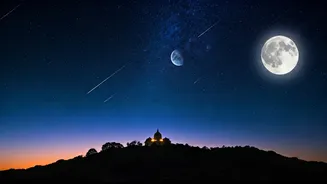
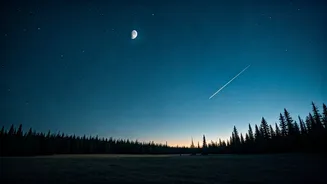
The biggest ticket for late July is a double-feature meteor shower. On the night of July 30-31, both the Southern Delta Aquariids and the Alpha Capricornids are expected to reach their peak activity. The Southern Delta Aquariids are a reliable shower that
can produce up to 25 meteors per hour in ideal conditions, though they are often faint. They are best viewed from the Southern Hemisphere but can still be seen from mid-northern latitudes. Sharing the spotlight are the Alpha Capricornids, a shower known not for its numbers—it produces maybe five meteors an hour—but for its spectacular, slow-moving fireballs. The combination means you could see both steady streaks and the occasional showstopper on the same night.
Managing Expectations: The Moonlight Problem
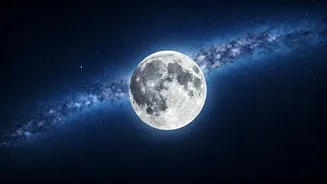
There is, however, a significant catch for 2026. The peak of both meteor showers occurs just after the full "Buck Moon" on July 29. This means the sky will be illuminated by a nearly full moon (about 98% lit), and its bright glare will wash out many of the fainter meteors. But don't cancel your plans. The Alpha Capricornids are known for bright fireballs, which may still be visible. Furthermore, you can improve your chances by observing a week before the peak, when the moon is less of a factor, or by finding a viewing spot where the moon is physically blocked by trees or a building.
How to Plan Your Viewing
Success in this new era of planned stargazing comes down to three things: location, timing, and gear. First, get away from city lights. Light pollution is the enemy of good stargazing, so find a dark sky area with an unobstructed view of the southern sky, where the showers' radiant points are located. Second, timing is critical. The best viewing window is usually after midnight and into the pre-dawn hours, when the sky is darkest and the meteor shower radiants are higher in the sky. Give your eyes at least 20-30 minutes to adjust to the dark—no looking at your phone. Third, for gear, less is more. The naked eye is the best tool for watching meteor showers, as binoculars or telescopes restrict your field of view. A comfortable lawn chair or blanket is essential, as you'll be looking up for a while.
Don't Forget the Constellations
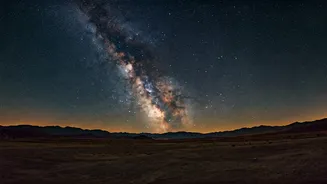
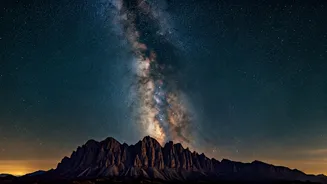
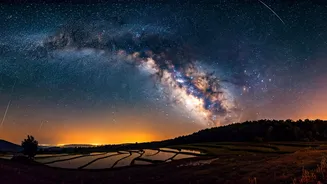
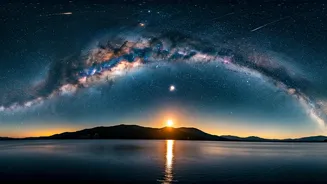
While you're waiting for meteors, take in the other sights. On a clear night in late July, the core of our own Milky Way galaxy will be visible, appearing as a shimmering band of light in the southern sky. Look for the distinctive hook shape of Scorpius and the teapot pattern of Sagittarius; the Milky Way's brightest part is situated right between them. High overhead, you can also spot the Summer Triangle, made up of three bright stars: Vega, Deneb, and Altair. For observers in India, the monsoon season can make clear nights rare, but breaks in the clouds will reveal these same stunning views.
Planetary Roundup
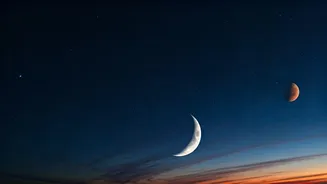
Several planets will also be making appearances throughout the month. Early in July, Venus shines brilliantly in the west after sunset. On July 11, a crescent moon will form a beautiful trio with Mars and the Pleiades star cluster in the pre-dawn sky. Saturn will also be visible, rising around midnight. However, Jupiter will be at solar conjunction on July 29, meaning it will be too close to the Sun to be seen. The planetary action provides a constant, shifting backdrop to the more fleeting magic of the meteor showers.