






The Ultimate Backpacker's Hack
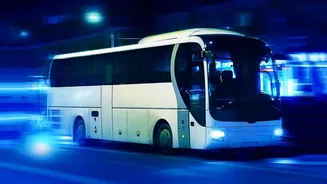
For Indian travellers accustomed to long train journeys, the concept of an overnight bus is familiar, but Vietnam perfects it for budget travel. These sleeper buses are the backbone of the country's transport system for backpackers, connecting major hubs
like Hanoi, Sapa, Hue, and Ho Chi Minh City. The primary appeal is twofold: you cover long distances while you sleep, saving precious daylight hours for exploring, and you save the cost of a hotel room for the night. An 8-hour journey can cost as little as $12-$20 USD, making it an incredibly wallet-friendly way to see the length of the country. This combination of transport and accommodation is what makes a multi-city Vietnam trip possible even on a modest budget.
Booking Your Bunk with Ease
Booking a ticket is surprisingly straightforward. Forget the long queues you might be used to. Reputable online platforms like 12Go, Baolau, and Vexere are popular, user-friendly, and available in English. They allow you to compare prices, routes, and reviews for various companies like Futa Bus (Phuong Trang), The Sinh Tourist, and Sapa Express. You can book a day or two in advance for most routes, though it's wise to book further ahead during peak seasons or for popular journeys like Hanoi to Sapa. Alternatively, most hostels and hotels can book tickets for you, often including a convenient pickup service. While you can buy tickets directly at the bus station for the lowest price, it may require some knowledge of the local language.
What to Expect Onboard
The term 'sleeper bus' is quite literal. Instead of seats, these buses feature two levels of reclining bunks, often in three rows. Before boarding, you'll be asked to take off your shoes and place them in a provided plastic bag to keep the cabin clean. Standard buses are basic, while VIP or 'limousine' options offer more privacy with curtains, wider beds, and sometimes even personal USB ports. Taller travellers might find the bunks a bit cramped. Most buses provide a blanket and a bottle of water. However, don't expect a toilet on every bus; most rely on scheduled rest stops every 2-3 hours. Think of it as a moving dormitory, an adventure in itself.
Tips for Indian Travellers
A few specific tips can make the journey smoother. Firstly, cash is king. While you can book online with a card, carry enough Vietnamese Dong (VND) for snacks at rest stops and for transport upon arrival. Don't rely on UPI, as it is not available. For food, especially for vegetarians, options at rest stops can be limited and basic. It’s a good idea to pack your own snacks like fruits, biscuits, or instant noodles. The air conditioning is often on full blast, a contrast to what we might be used to, so carrying a jacket or a shawl is essential. Finally, download an offline map and a translation app like Google Translate on your phone. Having your destination address written in Vietnamese can also be a great help when communicating with drivers upon arrival.
Arriving and Navigating the City
Night buses typically arrive at their destination very early in the morning, sometimes between 4 AM and 6 AM. Bus stations are often located on the outskirts of the city. The easiest way to get to your hotel or hostel is by using a ride-hailing app. Grab is the Southeast Asian equivalent of Uber or Ola and is widely used, safe, and affordable in Vietnam. Since you'll likely arrive hours before check-in time, communicate with your hostel beforehand. Most are accustomed to early arrivals and will let you store your luggage and use their common areas. Some may even offer an early check-in for a small fee. This early start gives you a full day to explore a new city, refreshed and ready for adventure.