




Prioritise Drainage Above All
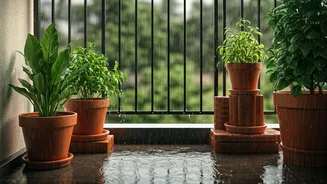
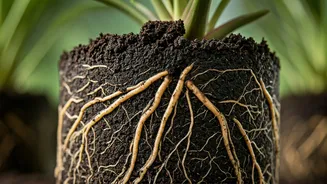
Waterlogging is the number one enemy of potted plants during the monsoon, leading to root rot. Before the heavy showers begin, check every pot to ensure its drainage holes are clear of debris. If a pot sits flat on the floor, water can't escape easily
even if it has holes. Elevate your planters using bricks, stones, or dedicated pot stands to create a small gap that allows excess water to flow away freely. This simple step improves airflow and is crucial for preventing roots from sitting in stagnant water. For particularly sensitive plants, consider adding a layer of coarse sand or shifting to a soil mix with better drainage properties by adding materials like perlite or cocopeat.
Prune for Health and Airflow
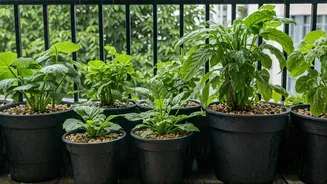
A dense, overgrown plant is more vulnerable to monsoon damage. Trimming back excess foliage before the season helps in two major ways. Firstly, it reduces wind resistance, making the plant less likely to be damaged or toppled by strong gusts. Secondly, it improves air circulation around the stems and leaves. This is vital because high humidity and constantly wet leaves create the perfect breeding ground for fungal diseases like powdery mildew. Pruning promotes healthy new growth and allows foliage to dry faster, significantly lowering the risk of infections. Be sure to also remove any dead or yellowing leaves and spent flowers.
Provide Shelter and Support
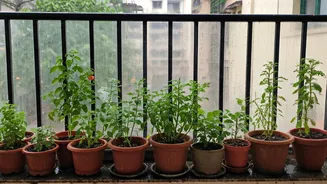
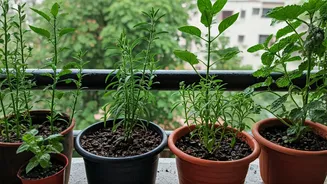
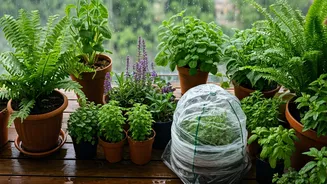
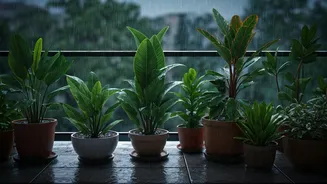
The fierce winds that often accompany monsoon rains can be brutal for balcony plants. Taller plants or those with delicate stems are at high risk of snapping. Provide support by using stakes and tying the stems loosely to them. For plants that are especially vulnerable, consider moving them to a more sheltered part of the balcony, away from the direct path of wind and rain. If your balcony is very exposed, you can create a temporary shield using green netting or a waterproof sheet during spells of particularly heavy downpour. Grouping smaller pots together can also help them provide mutual protection against the elements.
Be Proactive with Pest Control
The damp and humid monsoon weather is an open invitation for pests like aphids, mealybugs, slugs, and snails. Instead of waiting for an infestation, it's wise to take preventive measures. Regularly inspect your plants, paying close attention to the undersides of leaves and new shoots. A preventative spray of organic neem oil solution every 10 to 15 days can be highly effective at keeping common pests at bay. This eco-friendly approach deters pests without harming the beneficial insects in your garden. Maintaining a clean balcony, free of fallen leaves and debris, also helps by removing potential hiding spots for pests.
Manage Watering and Nutrition
During the monsoon, you will rarely need to water your plants manually. Overwatering is a far greater risk than dehydration. Always check the soil before reaching for the watering can; if the top inch feels moist, hold off. Heavy rains can also wash away essential nutrients from the soil. However, you should be careful with fertilising. It's best to apply fertilisers after a period of rain has passed, so they don't get immediately washed out. Using slow-release organic options like compost or vermicompost is a good strategy, as the nutrients are absorbed more steadily by the plants. Avoid fertilising a plant that already looks stressed or waterlogged, as this can cause further damage.