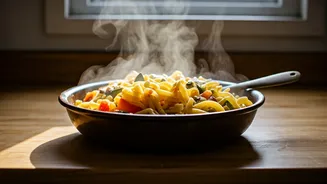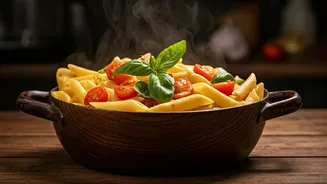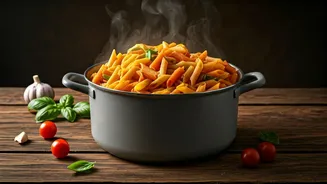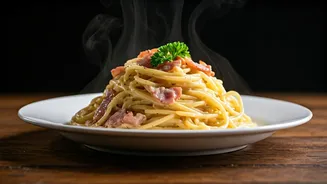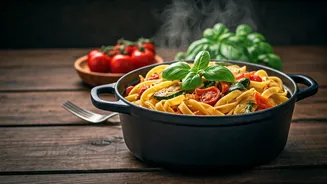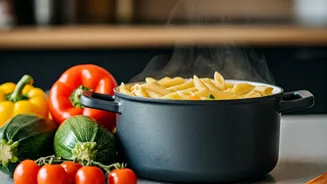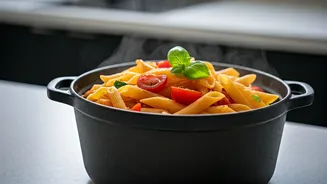



What Exactly Is One-Pot Pasta?
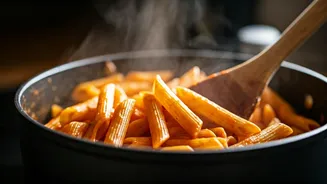
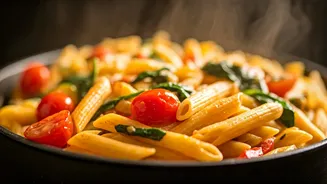
The name says it all. The one-pot pasta method involves cooking your dried pasta, sauce ingredients, and liquid all together in the same pot or pan. This goes against the traditional Italian method of boiling pasta in a large pot of salted water, draining
it, and then combining it with a separately prepared sauce. With this streamlined technique, everything from the onions and garlic to the uncooked noodles and tomatoes simmers together, creating a complete dish with significantly less fuss and fewer dishes to wash.
The Science of a Silky Sauce
The real genius of this method lies in the starch. When pasta cooks, it releases starches into the water. In the traditional method, this starchy, cloudy water is mostly poured down the drain. In a one-pot dish, that starch has nowhere to go. It stays in the pan, emulsifying with the other liquids and fats to create a surprisingly creamy and flavourful sauce that clings perfectly to every noodle. You get a rich texture without necessarily needing to add a lot of cream or cheese, as the pasta essentially creates its own sauce base.
A Blueprint for Perfect One-Pot Pasta
While recipes vary, there's a general formula for success. For every 250 grams of dried pasta, you'll need approximately 4 to 4.5 cups of liquid. This liquid can be water, but using vegetable or chicken broth will infuse your entire dish with a deeper flavour. A wide, shallow pan or a Dutch oven is often recommended to ensure the pasta cooks evenly. While some recipes call for dumping everything in at once, many cooks find they get better flavour by first sautéing aromatics like garlic and onions before adding the pasta and liquids. Meats should also be browned first, while quick-cooking vegetables are best added towards the end to prevent them from getting mushy.
Essential Tips to Avoid Common Mistakes
To ensure your one-pot pasta is a triumph, keep a few key things in mind. First, stir frequently, especially during the first few minutes of cooking, to prevent the pasta from sticking to the bottom of the pan or clumping together. Second, manage your liquid. It's often better to start with slightly less water and add more as needed if the pan looks dry before the pasta is cooked. If you end up with too much liquid, simply let the dish rest off the heat for a few minutes; the pasta will continue to absorb the sauce. Finally, don't be afraid to season well at the beginning, as the pasta will absorb the flavours as it cooks.
Flavour Combinations to Inspire You
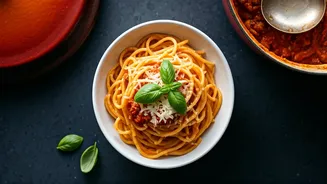
The beauty of one-pot pasta is its versatility. Start with a classic combination like cherry tomatoes, garlic, fresh basil, and spaghetti. For a richer dish, try a creamy tomato version with a bit of cream cheese or heavy cream stirred in at the end. You can also easily adapt this method to Indian flavours. Imagine a one-pot penne with a sauce built from sautéed onions, ginger-garlic paste, and tomatoes, spiced with turmeric and garam masala, and finished with a handful of fresh coriander. The possibilities are endless, making it easy to use whatever vegetables and proteins you have on hand.