


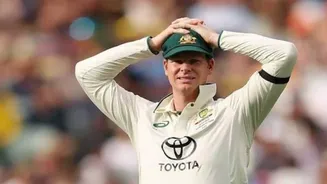
The Moment in Cape Town
During the third Test match against South Africa in Cape Town, Australian opening batsman Cameron Bancroft was filmed using a small, yellow object to rough up one side of the cricket ball. Realising he had been caught on the big screen, he panicked and
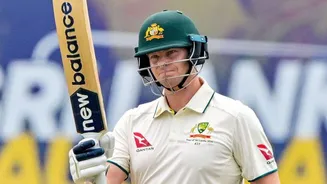
hid the object—later confirmed to be sandpaper—down the front of his trousers. The act of ball-tampering, designed to make the ball swing more unpredictably in the air, was blatant and premeditated. In a press conference at the end of the day's play, captain Steve Smith and Bancroft fronted the media. Smith admitted that the team's 'leadership group' had devised a plan during the lunch break to gain an unfair advantage.
The Three Key Figures
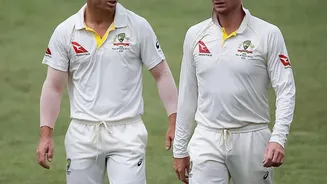
Cricket Australia's investigation quickly identified three central figures. Cameron Bancroft, the junior player on field, was the one who carried out the act. David Warner, the team's vice-captain, was identified as the architect of the plan; he not only developed the scheme but also demonstrated to Bancroft how to use the sandpaper. Steve Smith, the captain, was found to have been aware of the plan but failed to prevent it. He also admitted to misleading match officials after the incident was exposed. While speculation has persisted about whether other team members, particularly the bowlers, were aware, the official investigation concluded that only these three players were directly involved in the plot.
The Fallout and Severe Sanctions
The public and official reaction was swift and severe. The incident was seen not just as cheating, but as a deep betrayal of the 'spirit of cricket' that Australian sport prides itself on. Cricket Australia handed down unprecedented sanctions that went far beyond the initial one-match ban the ICC gave Smith. Smith and Warner were banned from all international and domestic cricket for 12 months, while Bancroft received a nine-month suspension. Warner was also given a lifetime ban from any leadership position within the team. The players delivered emotional, tearful apologies upon their return to Australia, their careers and reputations in tatters. Coach Darren Lehmann, though cleared of involvement, resigned from his post amidst the fallout.
A Deeper Sickness: The Cultural Review
The question of 'who was behind it' soon expanded beyond the three players. Many believed the scandal was a symptom of a deeper cultural problem within Australian cricket. In response to the public outcry, Cricket Australia commissioned an independent review by The Ethics Centre. The resulting report was damning, describing the organisation as 'arrogant' and 'controlling'. It concluded that a 'win-without-counting-the-costs' culture had developed, creating an environment where a 'win-at-all-costs' mentality overshadowed ethical considerations. The report suggested that the leadership of Cricket Australia was partly responsible for failing to foster a culture that balanced ambition with integrity, making an incident like Sandpapergate almost inevitable.
The Aftermath and the Road Back
The bans had a significant impact on the Australian team, which struggled in the absence of its two best batsmen. Tim Paine took over the captaincy, tasked with rebuilding the team's shattered image. All three players eventually returned to the sport after serving their suspensions. Bancroft's international career did not recover in the same way as the others, while Smith and Warner successfully reintegrated into the national side, albeit with Warner barred from leadership roles. The scandal remains a sensitive chapter in Australian cricket, a reference point for discussions about sportsmanship and integrity. Eight years on, as Australia returned for a Test series in South Africa in late 2026, the memories of Cape Town continue to linger.