








The Modern Pressures to Splurge
As a young earner in India, the pressure to spend comes from all directions. Your family might hint at the need for a new car or contributing to household expenses. Your friends are posting their latest gadgets and vacation photos, creating a sense of
FOMO (fear of missing out). This phenomenon, often called 'keeping up with the Joneses,' is amplified by social media, where curated lifestyles set unrealistic standards. Adding to this are easily accessible credit options like 'Buy Now, Pay Later' (BNPL) schemes, which encourage impulsive purchases by making expensive items seem more affordable than they are. These schemes are particularly popular among young adults and can quickly lead to overspending without a clear understanding of the long-term debt implications.
The True Cost of Keeping Up
Giving in to spending pressure does more than just drain your bank account; it silently sabotages your future. This trend is known as lifestyle inflation, where your expenses rise in tandem with your income, leaving you with little to no increase in actual savings. A salary hike feels like progress, but if it's immediately channeled into a bigger phone EMI or more expensive dining habits, you're not building wealth—you're just upgrading your consumption. This can lead to a cycle of living paycheck to paycheck, even on a higher income. The immediate gratification from a purchase is fleeting, but the consequences—like accumulating credit card debt or multiple BNPL payments—create long-term financial stress and anxiety.
Your Financial Goals vs. Their Expectations
The real danger of buying under pressure is that it diverts money from your own life goals. Every rupee spent on an unnecessary upgrade to meet societal expectations is a rupee not invested for your future. The power of compounding is most effective when you start early; even small, regular investments in your 20s can grow into a substantial corpus for retirement, a down payment on a house, or funding your own business venture. When you are young, you have a higher risk tolerance and a longer time horizon, which are significant advantages in wealth creation. Prioritising saving and investing over discretionary spending helps build a financial safety net, providing security against unexpected events like job loss or medical emergencies.
Practical Steps to Build Resilience
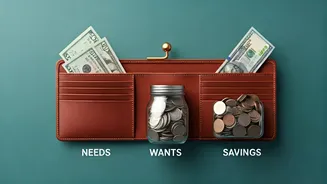
Resisting pressure is a skill, and it starts with a clear plan. First, create a budget. Use the 50/30/20 rule as a guideline: 50% for needs, 30% for wants, and 20% for savings and investments. Tracking your spending helps you see where your money is actually going. Second, automate your savings. Set up a Systematic Investment Plan (SIP) or an automatic transfer to your savings account the day you get paid. This 'pay yourself first' approach ensures your financial goals are prioritised. Third, practice mindful spending. Before making a big purchase, wait a week. This cooling-off period helps distinguish between a genuine need and an impulsive want triggered by external factors. Finally, learn to have open conversations about money, especially with family, to set clear boundaries and manage expectations.
Redefining Success on Your Own Terms
Ultimately, financial wellness is about aligning your spending with your values, not someone else's. It's easy to get caught in the comparison game, but true success isn't defined by the car you drive or the phone you carry. It’s about having the freedom to make choices that lead to a fulfilling life without the weight of debt. Financial independence gives you the power to pursue your passions, travel without financial strain, and retire comfortably. By consciously deciding what is important to you and directing your resources towards those goals, you take back control. Celebrate your achievements, but let your salary hikes fund your freedom, not a more expensive cage. Your financial journey is a marathon, not a sprint, and the disciplined choices you make today will pave the way for a secure and prosperous tomorrow.