



Feeling tired even after a vacation? The frantic pace of city life demands a new kind of break. Enter the 'urban recovery holiday', a growing trend focused not on sightseeing, but on genuine restoration through slow-paced travel and clean air.
What is an Urban Recovery Holiday?
Forget packed
itineraries and dawn-to-dusk sightseeing. An urban recovery holiday is the antidote to the typical whirlwind tour. It is a trip taken with the express purpose of recuperating from the physical and mental toll of city living. The goal is simple: to de-stress, breathe fresh air, sleep better, and disconnect from the high-octane environment of metropolitan India. This travel trend has gained momentum as a direct response to rising urban burnout and, particularly in cities like Delhi, alarming air quality levels that push residents to seek temporary refuge. It’s less about where you go and more about how you feel when you're there—trading the pressure of 'seeing everything' for the pleasure of simply 'being'.
The Gentle Art of Slow Travel
At the heart of urban recovery is the philosophy of slow travel. Originating from the 'Slow Food' movement in Italy, this approach prioritises depth over distance. Instead of hopping between cities, a slow traveller might spend an entire week in one quiet town, renting a homestay, shopping at local markets, and establishing a gentle routine. The focus shifts from a checklist of landmarks to a series of meaningful moments. For Indians, this trend is reshaping tourism, with a growing desire for mindful living and longer stays in one place. It’s an acknowledgement that returning from a holiday more exhausted than when you left is a sign of a broken model. Slow travel is about managing your energy, not just your time, allowing for a genuine mental and physical reset.
The Healing Power of Fresh Air
A key component of this trend is immersion in nature. The benefits of spending time outdoors, breathing clean air, are well-documented. Fresh air can improve lung function, boost energy levels by increasing oxygen intake, and support immune health. Studies have shown that spending just a couple of hours in nature per week can significantly enhance well-being, improve sleep quality, and reduce stress by lowering cortisol levels. In the context of an urban recovery holiday, activities are often simple and nature-based: think long walks in the forest, reading by a lakeside, or simply enjoying the quiet of the mountains. This deliberate exposure to natural environments provides a powerful mental restoration from the overstimulation of city life.
Finding Your Oasis Near the City
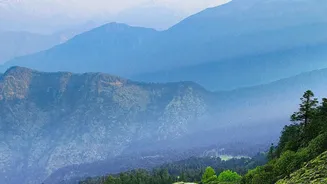
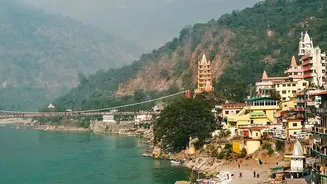
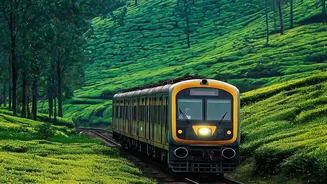
The good news is that you don't have to travel across the globe for this experience. India offers countless destinations perfect for an urban recovery break. For those in the north, the Himalayan foothills in Uttarakhand and Himachal Pradesh offer crisp mountain air and serene landscapes. Residents of Mumbai and Pune can find solace in the wellness retreats of the Western Ghats, such as in Lonavala or Mulshi. For those in the south, the backwaters of Kerala, the coffee plantations of Coorg, or the tranquil vibes of Auroville provide ideal settings for slowing down. The key is to choose smaller properties like homestays, boutique villas, or dedicated wellness centres that encourage a slower pace and are nestled away from crowded tourist hubs.
Embracing a Digital Detox
To truly recover, disconnecting from screens is often essential. Many urban recovery destinations double as digital detox retreats, where poor connectivity is a feature, not a flaw. Taking a deliberate break from phones and laptops allows your mind to disengage from the constant stream of notifications and work pressures that contribute to burnout. Replacing screen time with activities like journaling, meditation, or simply observing the world around you can profoundly improve mental clarity and reduce anxiety. Even a short, focused digital detox can enhance sleep, sharpen focus, and help you return to your daily life feeling genuinely recharged and more present.