


The Myth of a Watering Schedule
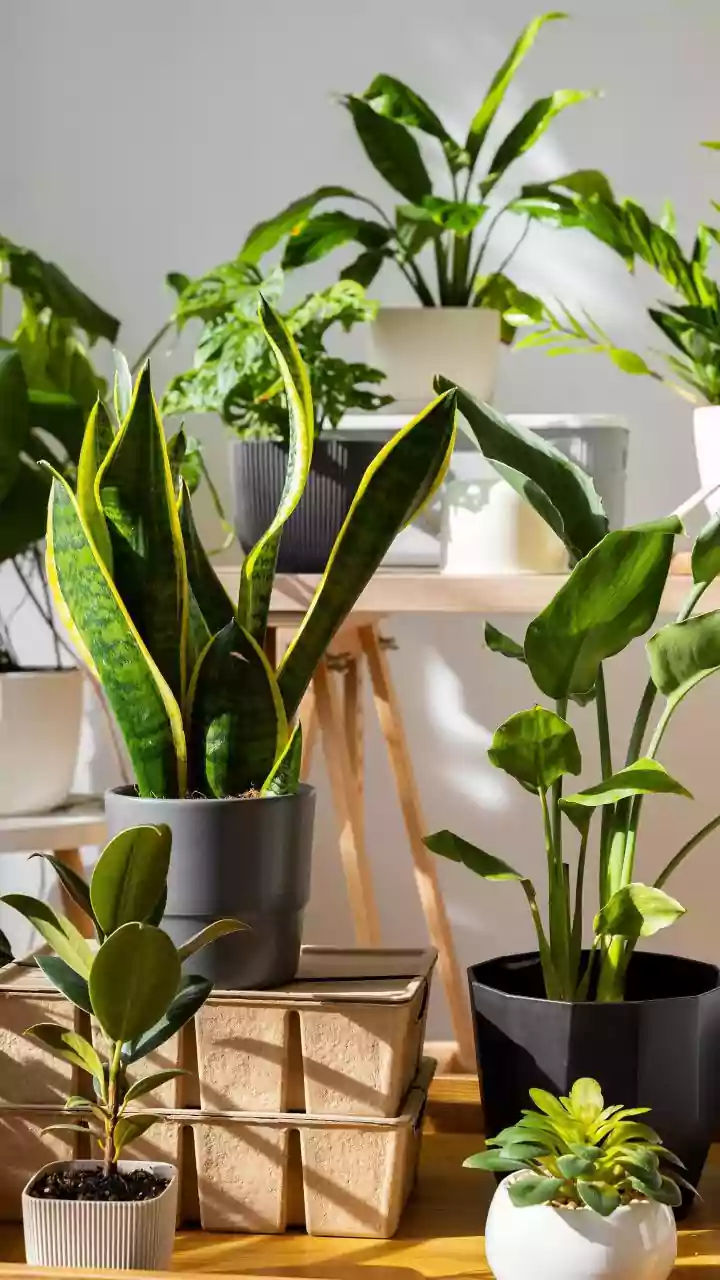
The single biggest mistake plant owners make is watering on a fixed schedule, such as every Sunday. Plants don't use water on a human calendar. Their needs change based on light, temperature, humidity, and time of year. A Snake Plant in a bright spot
will use water much faster than one in a dim corner of a bedroom. In fall and winter, most plants enter a dormant period and need significantly less water than they do during their spring and summer growing seasons. The key to success is not a schedule, but observation. Instead of automatically reaching for the watering can, your new mantra should be: “check the soil first.” This simple habit is the difference between a thriving plant and one suffering from root rot.
How to Check if Your Plant is Thirsty
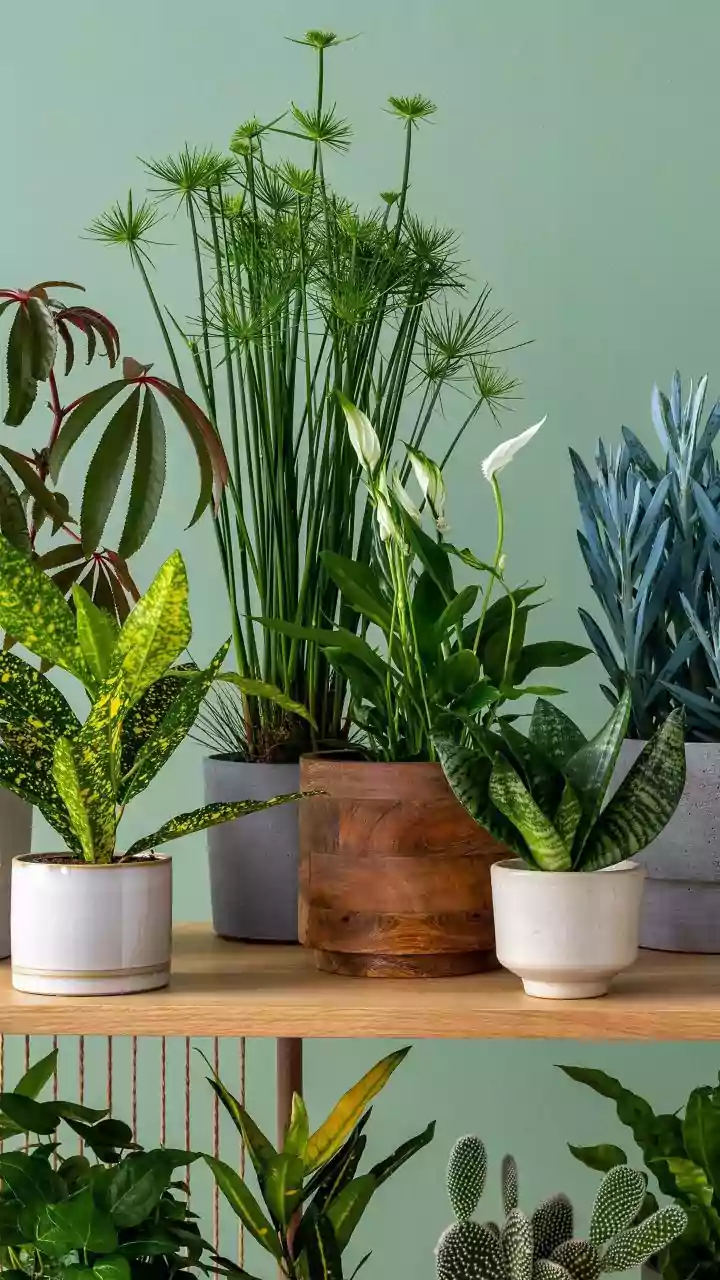
The most reliable tool for checking soil moisture is your finger. For most plants, including Peace Lilies and Snake Plants, you should insert your finger about two inches into the soil. If the soil feels moist, wait. If it feels dry, it’s time to water. For a very deep pot, a wooden chopstick or skewer is a great alternative. Push it deep into the pot, leave it for a minute, and pull it out. If it comes out clean and dry, the soil is dry. If it comes out with damp soil clinging to it, the plant doesn't need a drink yet. Over time, you’ll also get a feel for the weight of the pot. A freshly watered pot is noticeably heavier than a dry one. Learning these cues is far more effective than guessing.
Signs of Overwatering a Snake Plant
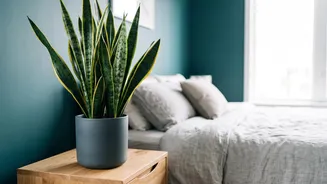
Snake Plants are succulents, meaning they store water in their leaves and are extremely drought-tolerant. They are much more likely to die from too much water than too little. The first signs of an overwatered Snake Plant are yellowing leaves and foliage that feels soft, mushy, or starts to droop. A healthy Snake Plant has firm, upright leaves. If you see these signs, and the soil is damp, you’ve found the problem. In advanced cases, you may notice a foul, musty smell coming from the soil, which indicates root rot, a condition where the roots are dying from lack of oxygen in waterlogged soil. This is often fatal if not addressed quickly.
Signs of Overwatering a Peace Lily
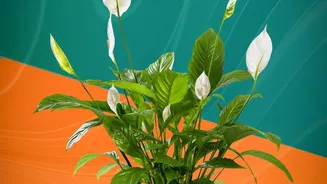
Peace Lilies are more dramatic than Snake Plants but can be just as confusing. An overwatered Peace Lily often has yellowing leaves, especially lower down the plant, and brown or black tips. The most confusing sign is wilting. A Peace Lily can wilt when it's thirsty, but it will also wilt when it's overwatered and the roots have started to rot. The key difference is the soil. If the plant is wilted but the soil is wet to the touch, you are overwatering. The roots are so damaged they can no longer absorb water, causing the plant to droop even though it's sitting in soggy soil. You may also see fungus gnats hovering around the soil or even blisters on the leaves, a condition called edema.
The Importance of Proper Drainage
The right pot and soil provide a crucial buffer against accidental overwatering. First, ensure your pot has at least one drainage hole. Without it, excess water has nowhere to go and will pool at the bottom, suffocating the roots. If your plant is in a decorative pot without holes, use it as a cachepot—keep the plant in its plastic nursery pot with drainage, place that inside the decorative one, and remove it to water. For plants like Snake Plants, a fast-draining soil mix is essential. You can buy cactus or succulent soil, or make your own by amending standard potting soil with perlite, pumice, or coarse sand to increase aeration. While Peace Lilies like more moisture than Snake Plants, they still hate sitting in soggy soil and benefit from a well-draining, rich potting mix.