



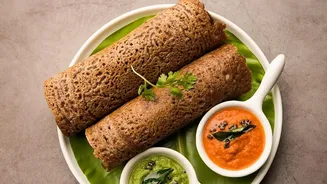

A Nutritional Power Couple
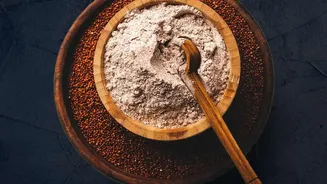
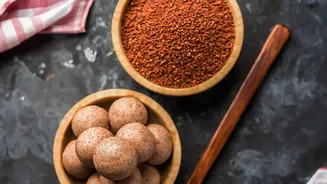
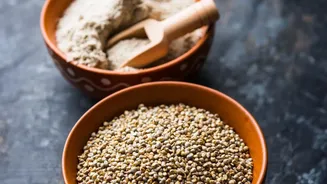
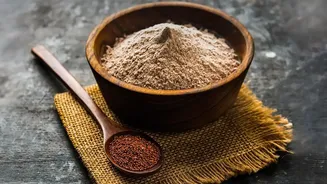
Combining ragi (finger millet) and bajra (pearl millet) is more than just a culinary trick; it’s a nutritional strategy. Ragi is celebrated for its exceptional calcium content, which is vital for bone health, while bajra is a standout source of iron,
protein, and magnesium. When you blend them, you create a more balanced nutritional profile than either flour can offer alone. Ragi brings fibre and calcium to the partnership, while bajra contributes energy-boosting iron and protein. This combination creates a high-fibre meal that aids digestion, helps manage blood sugar levels, and keeps you feeling full for longer.
Finding the Perfect Ratio
There is no single magic ratio for blending ragi and bajra; the ideal mix often depends on your personal taste and the dish you’re preparing. For beginners, a good starting point is a 1:1 ratio, combining equal parts of both flours. This provides a balanced flavour profile. If you find ragi's earthy taste a bit strong, you can try a 2:1 ratio of bajra to ragi. Some home cooks also incorporate a small amount of whole wheat flour or oat flour to improve binding and softness, especially when starting out. The key is to experiment. Start with a 1:1 blend for rotis or dosas and adjust based on whether you prefer the slightly sweeter notes of bajra or the robust flavour of ragi.
The Secret to Soft, Pliable Rotis
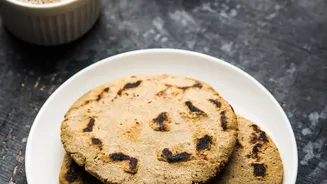
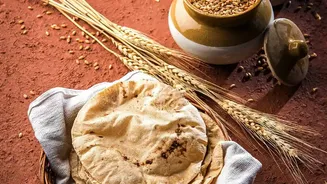
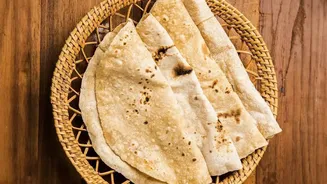
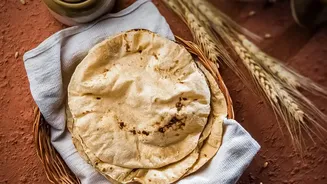
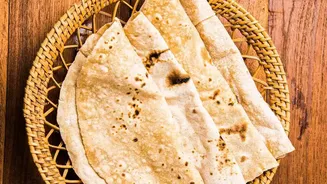
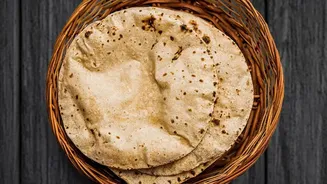
The biggest challenge when working with millet flours is their lack of gluten, which can result in dry, cracked rotis. The most critical secret to overcoming this is using boiling hot water to make the dough. Hot water helps gelatinize the starches in the flour, making the dough more flexible and easier to handle. Another key technique is to knead the dough while it is still warm. Adding a teaspoon of ghee or oil, or even a tablespoon of curd, during kneading can also introduce necessary fats that result in a softer final product. Once kneaded, letting the dough rest, covered with a damp cloth, for at least 20-30 minutes allows the flour to fully hydrate, making the rotis even softer.
Mastering the Cooking Technique
How you cook the roti is just as important as how you prepare the dough. Roll the millet rotis slightly thicker than you would a wheat chapati, about 4 to 5 mm, to prevent them from drying out and cracking. Cook on a medium-high heat tawa. Once you see small bubbles form, flip the roti. After cooking both sides on the tawa, you can place it directly on a flame for a few seconds using tongs to help it puff up. The final, crucial step is to apply a little ghee or butter immediately after the roti comes off the flame. This not only adds flavour but also helps to keep the roti soft as it cools.
Beyond the Basic Roti
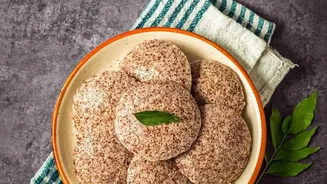
The ragi-bajra blend is incredibly versatile and not just limited to rotis. This combination can be used to make instant dosas, cheelas, and uttapam. For a savoury masala roti, you can add finely chopped onions, green chillies, coriander leaves, and spices directly into the dough before kneading. This blend also works beautifully in traditional recipes like muthia (steamed dumplings). For those with a sweet tooth, the flour combination can even be adapted for baking nutritious cookies or making porridge, often sweetened with jaggery to complement the millets' earthy taste.