







The Great Monsoon Myth
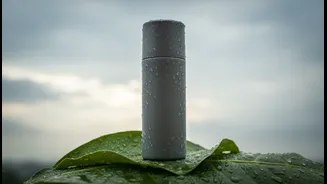
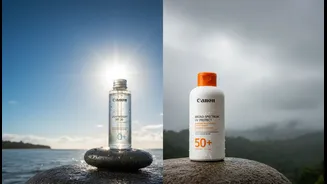
It’s a persistent belief: if you can't see the sun, you don't need sunscreen. Unfortunately, this is one of the most widespread myths in skincare. Clouds are excellent at blocking visible light and heat, which makes us feel cooler and safer, but they
are not a barrier against ultraviolet (UV) radiation. Studies show that up to 80% of the sun's UV rays can penetrate through cloud cover. In fact, under certain conditions with scattered clouds, a phenomenon known as the 'broken cloud effect' can actually scatter and reflect UV rays, increasing their intensity by up to 25% compared to a perfectly clear day. This means your skin can be exposed to significant levels of damaging radiation even while you're enjoying the cool monsoon weather.
UVA vs. UVB: The Invisible Threat
To understand the risk, it's important to know the difference between the two main types of UV rays that reach us. UVB rays are shorter and are the primary cause of sunburn; their intensity varies with the season and they are partially filtered by clouds. UVA rays, on the other hand, have a longer wavelength and make up about 95% of the UV radiation reaching the Earth's surface. These rays are present with relatively equal intensity during all daylight hours and throughout the year, easily penetrating clouds and even glass. UVA penetrates deeper into the skin, causing long-term damage like premature ageing, wrinkles, and pigmentation, and contributes to skin cancer risk. Because you don't feel the immediate burn from UVA, the damage accumulates silently.
Monsoon-Specific Suncare Challenges
The monsoon season in India presents unique challenges. High humidity can make many sunscreens feel heavy, sticky, and greasy, discouraging daily use. Sweat and rain can cause sunscreen to wear off more quickly, leaving your skin unprotected. Furthermore, wet surfaces like roads and puddles can reflect UV rays, increasing your overall exposure. These factors make consistent application and reapplication even more critical. Neglecting sunscreen during this time allows daily, incidental UV exposure to add up, contributing to issues like hyperpigmentation and accelerating skin ageing.
Choosing Your Monsoon Armour
The key to consistent sunscreen use during the monsoon is finding a formula that feels comfortable on your skin. Modern sunscreens have come a long way from the thick, chalky creams of the past. For India's humid weather, look for products labelled 'lightweight', 'gel-based', or 'fluid'. An 'oil-free' and 'non-comedogenic' sunscreen will be less likely to clog pores, which is especially important as high humidity can increase sebum production and lead to breakouts. Most importantly, always choose a 'broad-spectrum' sunscreen with an SPF of 30 or higher and a PA+++ rating or more. This ensures you are protected from both UVB and UVA rays. A 'water-resistant' formula is also a wise choice, as it will adhere to the skin better through sweat and light rain, but remember that even these need to be reapplied.
Correct Application Is Everything
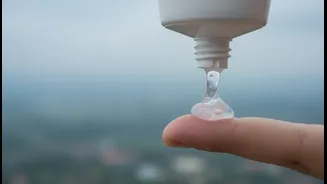
Even the best sunscreen is ineffective if not used correctly. One of the most common mistakes is not applying enough. For the face and neck, you should use about a two-finger length of product. Apply it at least 15 to 30 minutes before stepping outside to allow it to form a protective layer on your skin. Reapplication is just as crucial. Sunscreen wears off over time, so you should reapply it every two to three hours, especially if you've been outdoors, sweating, or caught in the rain. And yes, you even need protection indoors, as UVA rays can penetrate window glass. Making sunscreen a non-negotiable part of your morning routine, just like brushing your teeth, is the most effective way to protect your skin year-round.