

From Discarded Byproduct to Culinary Gem
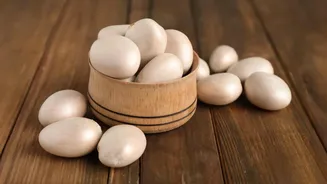
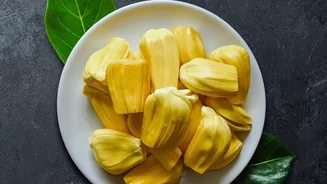
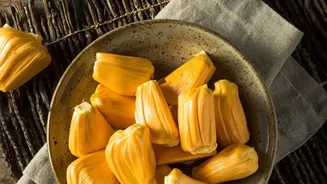
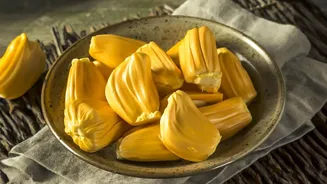
The jackfruit, a staple in many parts of India, is celebrated for its fleshy bulbs, often used as a meat substitute. But for every fruit processed, hundreds of seeds, which make up about 15-20% of the fruit's weight, are typically discarded. This leads
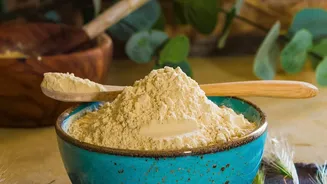
to enormous food waste. Upcycling changes this narrative. The process involves collecting these overlooked seeds, then cleaning, drying, and grinding them into a fine powder. This simple transformation turns an environmental problem into a valuable food source, creating a new revenue stream for farmers and reducing the strain on landfills. It’s a prime example of sustainable innovation in the food system, making the most of every part of the harvest.
A Nutritional Powerhouse
Jackfruit seed flour is more than just a sustainable choice; it’s a nutritional heavyweight. It is particularly rich in protein and dietary fibre, two essential components for a healthy diet. Studies have shown that even a modest substitution of wheat flour with jackfruit seed flour can significantly boost the protein and fibre content of baked goods. One study noted roasted jackfruit seed flour contains about 16.7g of protein per 100g. The flour is also packed with resistant starch, a type of fibre that promotes gut health and helps regulate blood sugar. Furthermore, it is a good source of essential minerals like potassium, magnesium, and iron, making it a nutrient-dense addition to any meal.
A Versatile Gluten-Free Alternative
For those with gluten intolerance or celiac disease, or anyone looking to reduce their gluten intake, jackfruit seed flour is an excellent alternative. It is naturally gluten-free, grain-free, and allergen-friendly. Unlike some gluten-free flours that can be gritty or require complex blends, jackfruit seed flour has a smooth texture and works well on its own or in simple combinations. Its functional properties, including good water and oil absorption, make it a great binding agent, which can improve the texture of gluten-free baked goods and reduce the crumbliness often associated with them. This makes it a worthy competitor to other popular gluten-free options like almond, coconut, or traditional millet flours like jowar and ragi.
How to Use It in Your Kitchen
Incorporating jackfruit seed flour into your daily cooking is surprisingly easy. It has a mild, slightly nutty flavour that doesn't overpower other ingredients, making it suitable for both sweet and savoury dishes. You can start by substituting 10-25% of the regular flour in your recipes for chapattis, dosas, muffins, cookies, or cakes to add a nutritional boost. Some studies have found that substituting up to 25% in breads and 12.5% in cookies yields positive results in nutrition without significantly compromising texture. It can also be used as a thickener for soups, gravies, and curries, or blended into smoothies for an extra kick of protein and fibre.