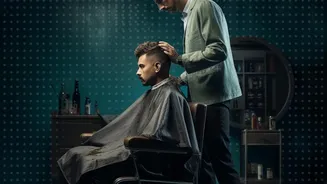






Defined by its sharp contrast of short sides and a longer top, the undercut is one of modern grooming's most enduring and versatile styles. But what truly defines it, and how can you make it work for you? Here is your guide to getting it right.
What Exactly Is an Undercut?
At its
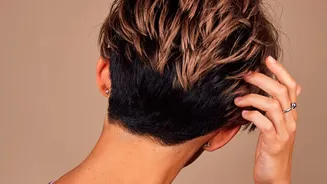
core, the undercut is a hairstyle where the hair on the top of the head is kept significantly longer than the hair on the sides and back, which are clipped or shaved short. The defining feature is the stark contrast and clear separation between these two sections. Unlike a fade, which gradually blends different lengths, a classic undercut creates a distinct, disconnected line. This creates a bold look that emphasizes volume on top and highlights the structure of your face. First popularised in the early 20th century and seeing a massive revival in the 2010s, its clean lines and confident aesthetic have made it a modern classic.
The Key Variations to Know
The beauty of the undercut lies in its adaptability. The 'Disconnected Undercut' is the most traditional version, featuring an abrupt, unblended line between the long top and shaved sides, making a bold statement. For a softer, more contemporary look, the 'Faded Undercut' blends the sides from very short at the bottom to slightly longer as they approach the top section, creating a smoother transition. Other popular styles are less about the cut and more about the styling on top, such as the 'Slick Back', where the long hair is combed back with pomade for a polished finish, or the 'Pompadour', which creates dramatic volume at the front.
Choosing the Right Undercut for You
While versatile, the best undercut complements your face shape and hair type. Oval faces can pull off nearly any variation. For round faces, an undercut that adds height and volume on top, like a quiff or pompadour, can create the illusion of length. Square faces benefit from softer, textured styles on top that soften a strong jawline. When it comes to hair type, straight hair is ideal for showcasing the clean, sharp lines of a disconnected style, while wavy and curly hair bring natural volume and texture, which can be enhanced with a faded undercut to keep the sides neat.
Essential Styling Techniques
Proper styling begins before you even add product. Start with towel-dried, damp hair. Using a blow dryer, direct the air at the roots while lifting the hair with your fingers or a brush. This step is crucial for building volume and giving your hair direction. For a slicked-back look, comb the hair straight back as you dry it. For a messier, textured style, use your fingers to tousle the hair while drying. Once your hair is mostly dry and shaped, you can apply your chosen product. Finish with a quick blast of cold air from the dryer to help set the style in place for the day.
Choosing Your Styling Product
The product you use will define the final look. For a classic, high-shine slick back or a firm pompadour, a water-based pomade is your best friend. It offers strong hold and a glossy finish. For a more natural, textured look with a matte finish, reach for a styling wax or clay. These products provide hold and separation without the shine, making them perfect for messy or cropped styles. A flexible gel can offer a strong hold with some shine, while a sea salt spray is great for adding texture and a light, beachy feel to your hair before you even start styling. Always start with a small, dime-sized amount, warm it between your palms, and apply it evenly from roots to tips.
Maintenance: Keeping It Sharp
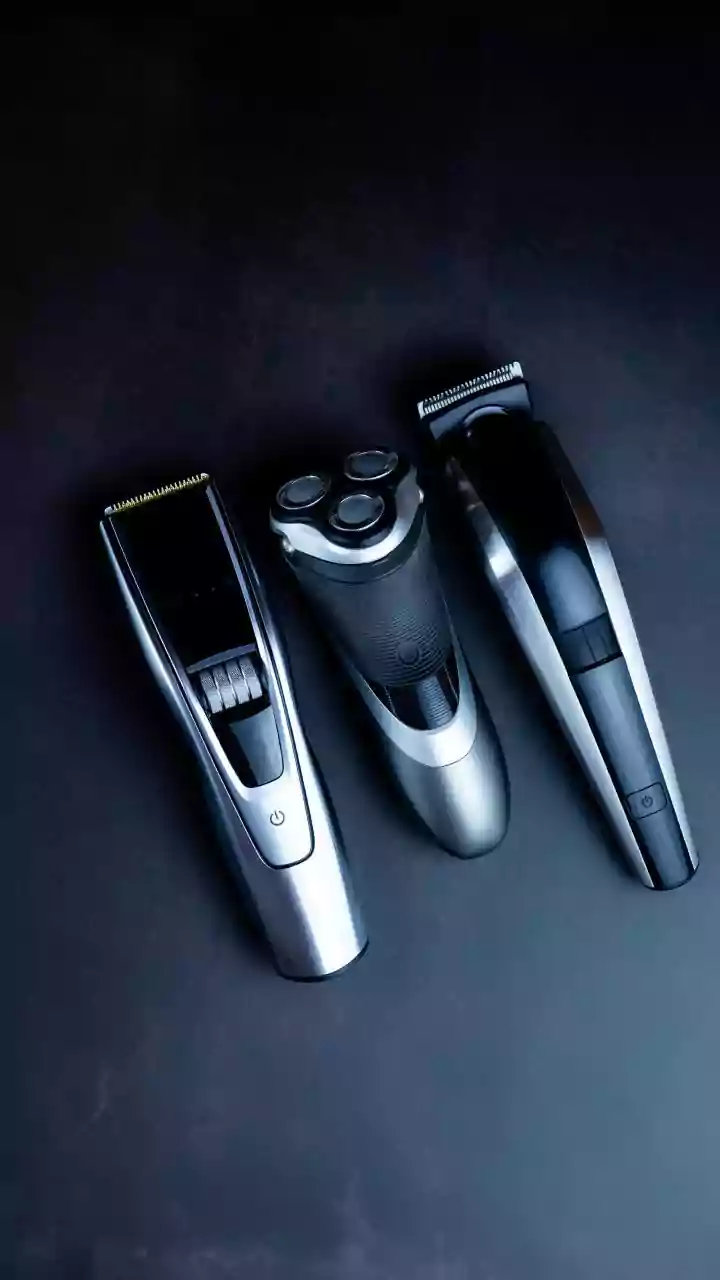
An undercut looks its best when it's crisp and clean. Because the sides are so short, they will grow out noticeably faster than the top. To maintain the sharp contrast that defines the style, plan on visiting your barber every two to four weeks for a trim of the sides and back. Some people even go for a side-only cleanup between full haircut appointments. At home, use a quality shampoo and conditioner to keep the longer hair on top healthy and manageable. Be careful with any at-home clipping, as recreating the clean lines can be difficult in a mirror; it's often best to leave that to a professional.