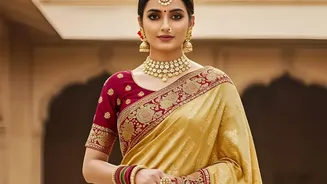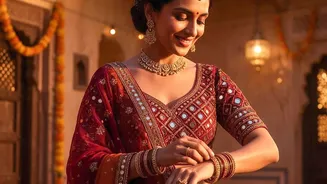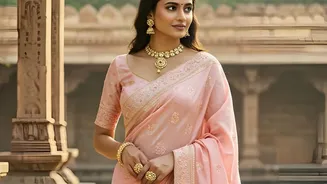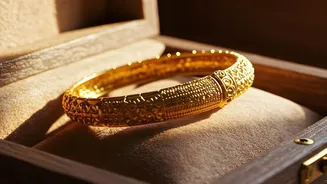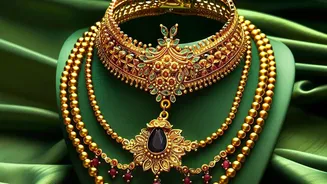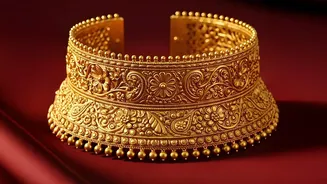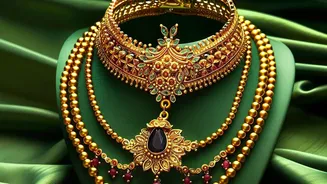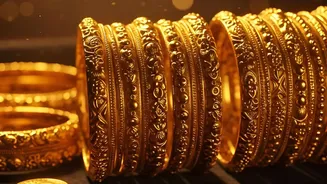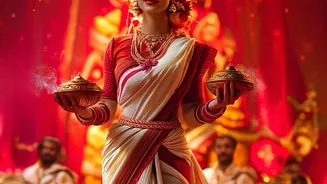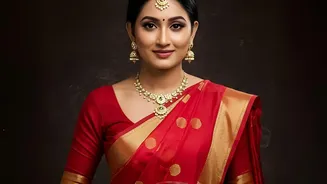




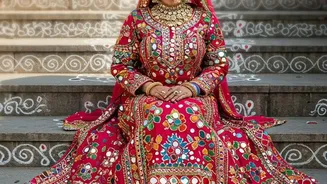
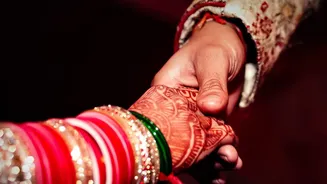
In India, the glitter of gold at a wedding or festival is more than just adornment. It’s a profound statement of wealth, culture, and savvy financial planning, representing an unwritten rulebook for building and protecting family fortunes for generations.
More Than Just Metal
To understand gold's role in India, you must first look beyond its market price. For centuries, it has been deeply embedded in the cultural and spiritual fabric of the nation. Associated with Goddess Lakshmi, the deity of wealth and prosperity, gold is considered auspicious and a symbol of purity that never tarnishes. This belief drives the tradition of buying gold during festivals like Diwali, Dhanteras, and Akshaya Tritiya, not just as a purchase but as an act of inviting good fortune. It's gifted at weddings and births as a blessing, making it an integral part of every major life event. This cultural reverence ensures that gold is not merely an asset but a sacred store of value, embodying family legacy and divine blessings in one tangible form.
The Original Savings Account
Long before digital banking and stock markets, Indian families perfected a system of wealth preservation with gold. It serves as the ultimate tangible asset, a reliable hedge against inflation and currency fluctuations that quietly erodes the value of paper money. Over long periods, gold has consistently outpaced consumer price inflation in India, making it an effective tool for safeguarding purchasing power. This financial security is crystallised in the concept of 'Stridhan', or a woman's wealth. The gold a bride receives is legally her absolute property, providing her with a crucial layer of financial independence and security throughout her life. This jewellery is not just ornamental; it is a woman's personal, portable, and powerful financial safety net.
The Hidden Value of Craftsmanship
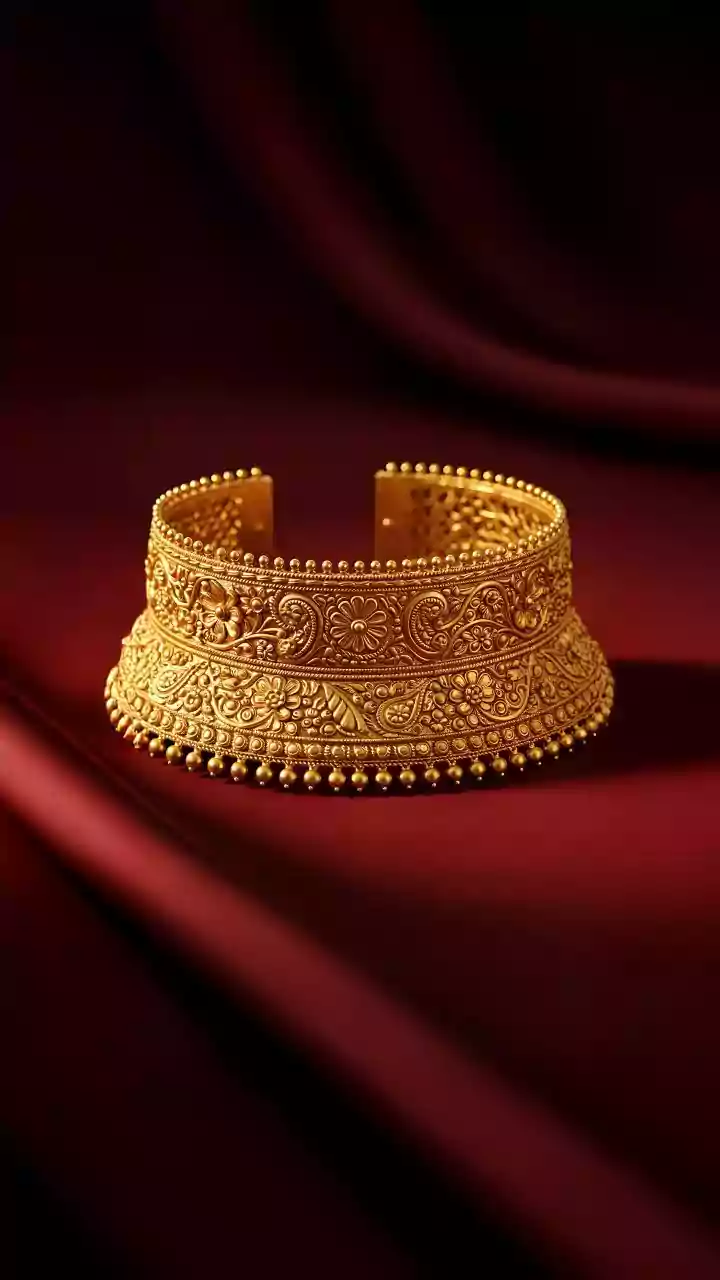
While an investor might see the 'making charges' on a jewellery bill as a sunk cost, many Indian families view it differently. These charges, which can range from 8% to over 25% for intricate designs, represent an investment in artistry and heritage. Artisanal jewellery, featuring techniques like Kundan, Meenakari, or temple designs, is not a commodity. It's wearable art that carries cultural stories and retains a different kind of value. While the making charges are not recovered upon resale, the uniqueness and craftsmanship of these pieces contribute to their status as cherished heirlooms. This artistry ensures the piece is treasured and passed down, preserving its emotional and cultural worth, even if its immediate liquidation value is based only on the weight of the gold.
A Financial Safety Net in Times of Need
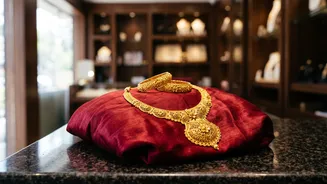
One of gold's most powerful features in the Indian household is its liquidity. Unlike real estate or other assets that can be slow to sell, gold can be converted into cash almost instantly. This makes it the ultimate emergency fund. Families can pledge gold jewellery to secure a loan within hours, providing access to funds for medical emergencies, business needs, or unexpected expenses without having to sell the asset itself. This ability to unlock capital while retaining ownership is a key reason why gold loans are a popular financial tool across the country. It allows the asset to perform two jobs at once: serving as a longterm store of value while offering shortterm financial flexibility when it's needed most.
Modern Heirlooms, Evolving Rules
The tradition of investing in gold is far from static. While physical jewellery remains central, the modern Indian investor is diversifying. Younger generations now complement their traditional holdings with digital gold, Sovereign Gold Bonds (SGBs), and Gold ETFs. These instruments offer the benefits of gold investment without the concerns of storage and making charges, appealing to those focused purely on financial returns. However, this doesn't signal the end of artisanal jewellery. Instead, it marks an evolution where families blend strategies. They might buy gold bars or bonds for pure investment growth while continuing to purchase handcrafted jewellery for its dual role as a cultural heirloom and a tangible, wearable asset. The fundamental 'rule'—that gold is a cornerstone of family wealth—remains unchanged, even as the methods adapt to a new financial landscape.