


The Real Reason Winter Drains Your Hair
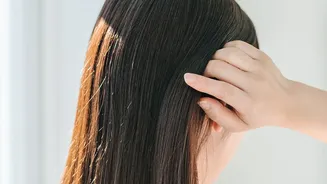
Ever wonder why your hair seems to have a life of its own in winter? The culprit is a lack of humidity. Cold outdoor air holds very little moisture, and indoor heating systems make the air even drier. This dry environment actively pulls moisture out of your hair strands,
leaving them dehydrated and vulnerable. When hair loses its internal water balance, the outer layer—the cuticle—can lift and become rough. This leads to two familiar problems: frizz, which happens as the hair tries to grab moisture from the air, and static, which occurs when dry strands build up an electrical charge from friction against hats, scarves, and sweaters.
Layer 1: The Foundation of Hydration
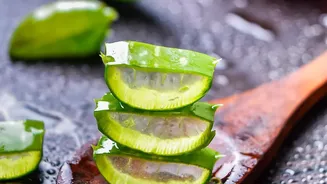
You can't trap moisture that isn't there. That's why the first and most crucial layer in your routine is pure hydration. This step is all about getting water into the hair shaft. Start with clean, damp hair, as products absorb best when the cuticle is slightly open after washing. The star products for this layer are water-based liquids like leave-in conditioners or hydrating mists. Look for ingredients called humectants—such as glycerin, aloe vera, hyaluronic acid, and honey—which are known for their ability to attract water molecules and draw them into the hair. This initial step replenishes the hair's internal water reserves, making it pliable and soft from the inside.
Layer 2: Soften and Smooth with Creams
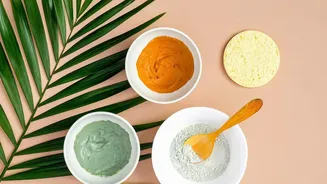
Once your hair is hydrated, the next goal is to smooth the surface and begin the sealing process. This is where creams and lotions come in. These products typically contain emollients, which are ingredients like shea butter or various fatty alcohols that work by filling in the tiny gaps on the hair's cuticle. Think of it like smoothing plaster over a rough wall. Emollients create a softer, more uniform surface, which helps reduce friction, enhances shine, and provides the first barrier against moisture loss. For many hair types, especially those with curls, this cream layer also helps to define texture and reduce frizz before the final sealing step.
Layer 3: Seal the Deal with Oils
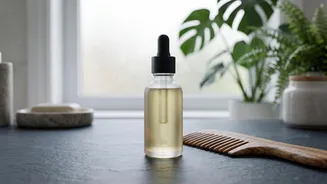
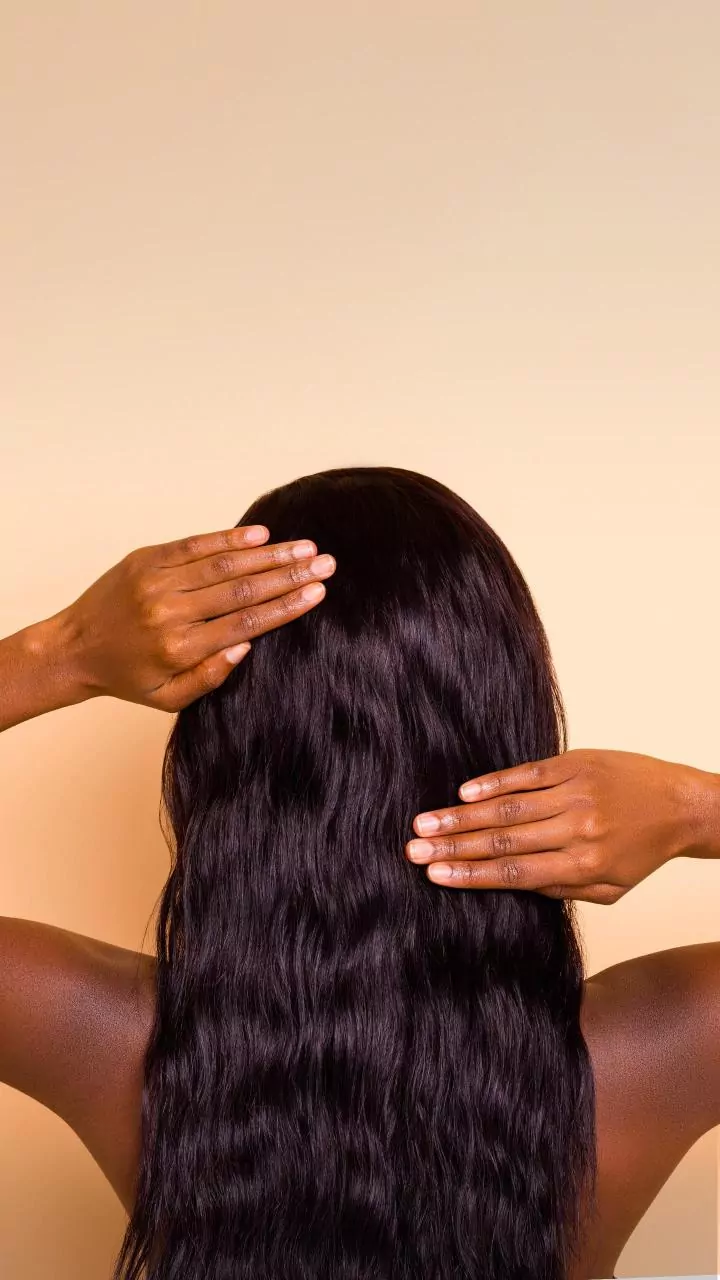
The final layer is your shield against the dry winter air. This is the job of an occlusive, most commonly found in hair oils and butters. It's a common misconception that oils moisturize hair; in reality, their primary function is to seal. After applying your water_based liquid and cream, a lightweight oil creates a protective barrier over the hair shaft. This barrier physically blocks water from escaping, locking in all the hydration you just added. For winter, look for nourishing oils like argan, jojoba, or avocado oil. This final step is what makes the routine 'static_proof', as well_hydrated and sealed hair is less susceptible to building up an electrical charge.
Adapting the Layers for Your Hair
This layering system, often called the LOC (Liquid_Oil_Cream) or LCO (Liquid_Cream_Oil) method, is not one_size_fits_all. The best order depends on your hair's porosity, or its ability to absorb and retain moisture. A simple way to test this is to see if your hair gets wet easily (high porosity) or if water beads up on it (low porosity). Those with high_porosity hair, which loses moisture quickly, often benefit from the traditional LOC method, using the oil to seal before the final cream. Conversely, those with low_porosity hair may find the LCO method more effective, as the cream can penetrate better before being sealed by a final, lighter layer of oil. Don't be afraid to experiment to find the perfect combination for your strands.