





A Perfect Storm for Air Travel
Indian travellers are facing a significant hurdle as they plan their year-end getaways: a sharp reduction in available airline seats. For November and December 2026, Indian airlines have scheduled thousands fewer domestic flights compared to the same
period last year. Reports indicate a 3.5% year-on-year decline in scheduled domestic flights for these two peak months. This reduction translates to roughly 117 fewer flights operating daily across the country. Several factors are contributing to this capacity crunch. Airlines are grappling with higher operating expenses, driven by a combination of elevated aviation fuel costs and the depreciation of the rupee. Furthermore, global supply chain issues and engine problems have grounded a number of aircraft, adding to the fleet shortage. This squeeze on supply is colliding with a huge surge in travel demand, as searches for December travel have skyrocketed.
Why Fewer Flights Are Taking Off
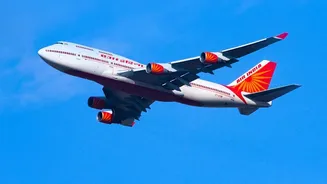
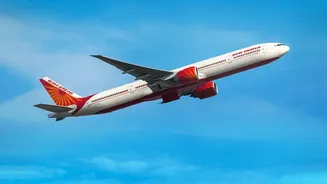
The decision by airlines to cut schedules is a strategic one, aimed at navigating a difficult economic environment. Carriers like Air India and SpiceJet have announced significant reductions in their flight capacities. Even the market leader, IndiGo, has slightly trimmed its schedule. These cuts are a direct response to soaring costs and an effort to optimise operations by focusing on the most profitable routes. While some airlines are deploying larger aircraft to partially offset the reduced number of flights, the overall seat capacity has seen a marginal decrease. The result is a more constrained market, particularly as the Christmas and New Year holiday season approaches, a period when demand traditionally peaks. Travel experts have been flagging these capacity issues for months, noting that the combination of grounded planes and delayed deliveries of new aircraft from manufacturers like Boeing and Airbus has created a significant gap between demand and supply.
The Impact on Popular Routes and Fares
This scarcity of seats is inevitably pushing airfares higher. Domestic air travel has already become much more expensive, with one index showing a 37.3% increase in seat-weighted fares between April and November. During recent festive periods, fares on high-demand routes, such as Bengaluru to Patna, exceeded ₹25,000. With the year-end rush, there are concerns that prices could climb even higher. International travel is not immune. Geopolitical tensions have forced airlines to use longer routes, increasing fuel consumption and operational costs, which are then passed on to passengers. The era of last-minute deals appears to be over, as airlines now use dynamic pricing algorithms that automatically increase fares as seats fill up and the departure date nears.
Smart Strategies for Holiday Bookings
Despite the challenging market, it is still possible to secure a flight without breaking the bank. The most critical advice from travel experts is to book as early as possible. For peak season travel, such as Christmas and New Year's, it is recommended to book at least five to six months in advance. If your plans are more last-minute, flexibility is your best asset. Flying mid-week, on a Tuesday or Wednesday, can be significantly cheaper than travelling on a weekend. Exploring alternative airports or considering flights with one or more layovers can also unlock lower prices. Using online travel portals and fare comparison tools is essential. Set up fare alerts for your desired routes to receive notifications when prices drop. Being open to less-conventional destinations could also lead to savings, with travellers showing increased interest in places like Malvan, Agatti, and Phu Quoc this year.
Considering Alternatives to Air Travel
For those finding air travel prohibitively expensive or unavailable, it may be worth considering other modes of transport. For shorter to medium-distance journeys, India's expanding railway network, including the modern Vande Bharat Express trains, offers a comfortable and cost-effective alternative. For some routes, premium bus services have also become a viable option, offering comfortable seating and connectivity between major cities. While not as fast as flying, these alternatives can provide a more relaxed and often more scenic travel experience, freeing up your budget for activities and accommodation at your destination. Planning a holiday based on a comfortable train journey can open up new possibilities and remove the stress of navigating crowded airports during the busiest time of the year.