


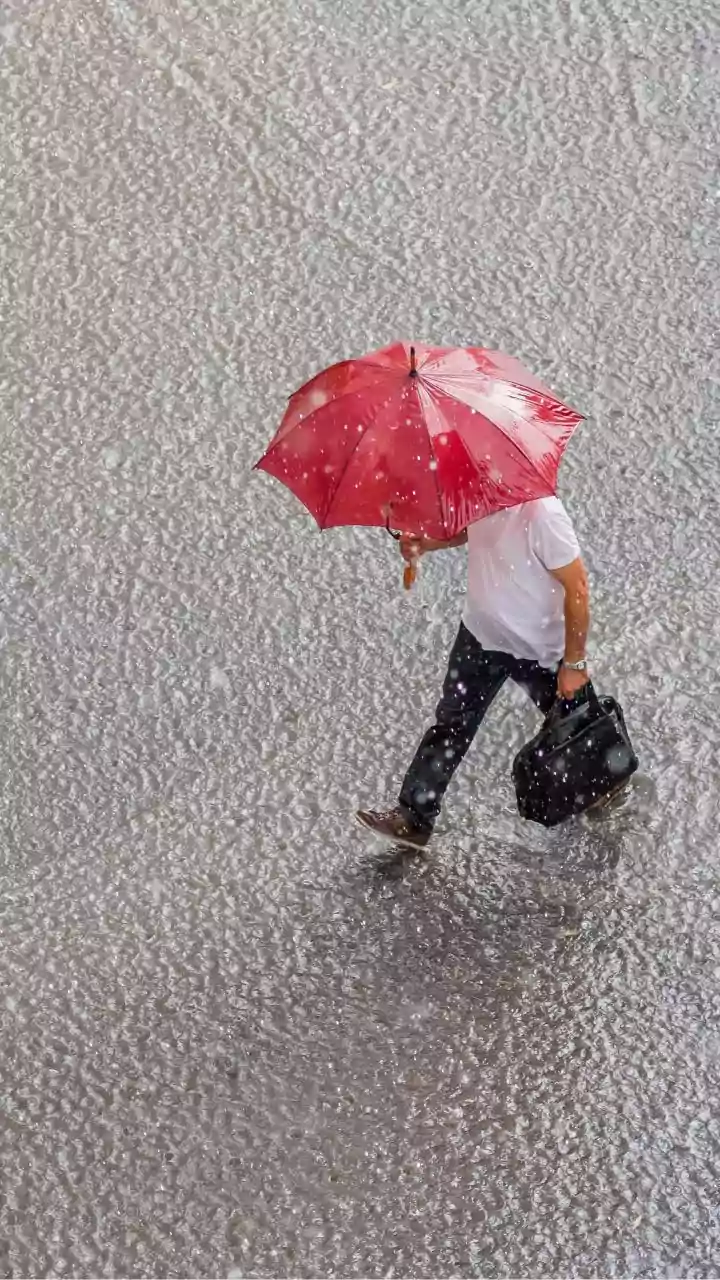


Plan for Uncertainty, Not Just Rain
Post-monsoon travel requires a shift in mindset from expecting constant rain to being prepared for sudden, intense spells. Before you leave, check weather forecasts from reliable sources like the India Meteorological Department (IMD). Don't just check your
destination; look at the entire route. A clear sky where you are doesn't mean the roads ahead are safe. Heavy rainfall in hilly regions can trigger landslides and flash floods that close roads for hours or even days. Always build buffer days into your itinerary to accommodate potential delays. Booking accommodation with flexible cancellation policies is also a wise move, as unpredictable weather might force a last-minute change of plans. Inform family or friends of your travel route and schedule.
On the Road: Caution is Your Best Companion
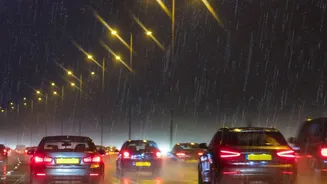
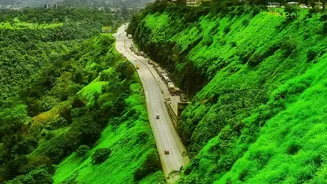
Driving during this period demands extreme vigilance. Wet roads, especially after a dry spell, can be deceptively slippery. Reduce your speed significantly and double the safe following distance between you and the vehicle ahead, as braking takes longer on wet surfaces. Always use your low-beam headlights in the rain for better visibility. One of the biggest dangers is waterlogged roads. Never attempt to drive through flooded streets, as the water can conceal deep potholes, open drains, or be strong enough to sweep your vehicle away. In hilly areas like Himachal Pradesh, Uttarakhand, and the Western Ghats, the risk of landslides is high even after the peak monsoon, as the ground remains saturated. Avoid driving on ghat roads at night and be prepared to pull over in a safe spot if visibility drops severely.
Packing Smart for Damp Conditions
Your packing list for the extended monsoon should prioritise staying dry and protecting your belongings. Opt for quick-drying synthetic clothing over cotton, which stays damp for a long time. A lightweight waterproof jacket or poncho is essential. Footwear should be waterproof with a strong grip to prevent slipping on wet surfaces; avoid flip-flops or smooth-soled shoes. Protect your electronics and important documents by storing them in waterproof bags or zip-lock pouches. A power bank is crucial, as power outages can be more frequent. Also pack a small first-aid kit with essentials, including any personal medications, bandages, and antiseptic wipes.
Prioritise Health and Hygiene
The post-monsoon period is a high-risk time for water-borne and mosquito-borne diseases. Stagnant water becomes a breeding ground for mosquitoes that transmit dengue and malaria, so use a good insect repellent and wear long-sleeved clothing, especially in the evenings. Be extremely cautious about what you eat and drink. Avoid street food, especially items that may have been prepared with contaminated water or have been sitting out. Stick to bottled or purified water and eat freshly cooked, hot meals. Maintaining personal hygiene is critical. Wash your hands frequently with soap and water. If you get wet in the rain, change into dry clothes as soon as possible to avoid fungal infections and colds. Avoid walking through stagnant water, which can lead to skin infections.
Rethink Your Destination Choices
Some destinations remain more vulnerable than others even after the peak monsoon has passed. High-altitude regions in the Himalayas, such as parts of Himachal Pradesh, Uttarakhand, and Sikkim, continue to face landslide risks. A recent study highlighted that nearly 60% of the vital Solan-Shimla highway (NH-5) is susceptible to landslides. Similarly, steep areas in the Western Ghats like Munnar or parts of Wayanad can be risky during intense rainfall spells. Consider safer alternatives that still offer a beautiful rainy-season experience, such as the backwaters in Kerala or coastal cities with more robust infrastructure. Always check local advisories from police and disaster management authorities before heading to a sensitive region. A beautiful view is never worth risking your safety.