






Understanding the Real Danger: Surges and Fluctuations
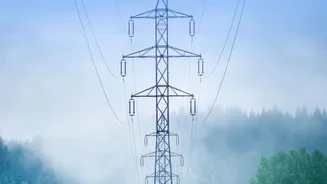
The main threat to your appliances isn't the outage itself, but what happens when the power comes back on. Electrical grids, especially during storms, are unstable. When power is restored, it can create a sudden, powerful "surge" or spike in voltage that
is far higher than the standard 220-240V your appliances are designed for. This jolt can fry sensitive electronic circuits in seconds. Similarly, "brownouts" or voltage sags put a different kind of strain on motors in appliances like refrigerators and air conditioners, forcing them to work harder and potentially overheat, which reduces their lifespan. Repeated exposure to these fluctuations can cause gradual, cumulative damage.
Your First Steps When the Power Goes Out
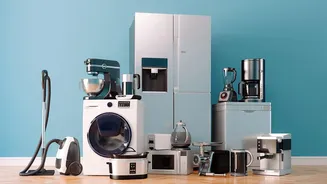
As soon as the lights go out, your first instinct should be to unplug. Don't wait to see if it's a fleeting interruption. Prioritize unplugging expensive and sensitive electronics first. This includes your television, home theatre system, computers, WiFi routers, and gaming consoles. Any appliance with a modern digital display or a smart circuit board is particularly vulnerable. For major appliances like the washing machine or microwave, if you can't reach the plug easily, you can switch them off at the circuit breaker panel. Leave one light switched on so you have a clear visual signal when electricity is restored.
Special Care for High-Value Appliances
Your refrigerator and air conditioner require specific attention. For the fridge and freezer, the best course of action is to keep the doors closed. This will trap the cold air inside, preserving your food for as long as possible. An unopened refrigerator can typically keep food safely cold for about four hours. For your air conditioner, it's not enough to just turn it off with the remote. You should turn off the power to the unit from its main switch or the MCB (miniature circuit breaker) in your distribution panel to protect its compressor, which is highly susceptible to surge damage.
The Critical Wait: After Power Returns
When you see the lights come back on, resist the urge to immediately plug everything back in. The first few minutes after power restoration are often the most volatile period for the electrical grid. The voltage can still be unstable, with smaller surges and dips occurring as the system stabilizes. It is crucial to wait at least 5 to 10 minutes before you start reconnecting your devices. This simple pause allows the initial, most dangerous surge to pass, ensuring the power flowing into your home is stable and safe for your electronics.
Plug Back In Strategically
Once you've waited for the power to stabilize, don't plug everything in at once. Reconnect your appliances one by one. Start with the most essential items, like the refrigerator. After plugging it in, wait a minute or two before connecting the next device. This staggered approach prevents you from creating a sudden, large demand for power on your home's internal circuits, which can sometimes trip a breaker, especially right after a grid-level outage.
Invest in a First Line of Defence: Surge Protectors
For year-round protection, investing in good quality surge protectors is one of the smartest decisions you can make. It's important to understand that a cheap multi-plug extension cord is not a surge protector. A true surge protector works by diverting excess voltage safely to the ground wire, shielding the connected appliance. Look for devices with a specified "joule rating"—the higher the number, the more energy it can absorb. Using individual surge protectors for expensive electronics like your TV and computer provides a vital buffer against unexpected spikes. For comprehensive safety, you can also have a whole-house surge protection device (SPD) installed by an electrician at your main distribution board.