







When Will the Rain Arrive?
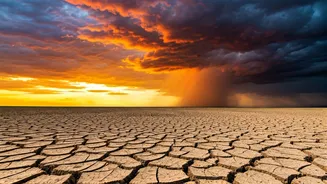
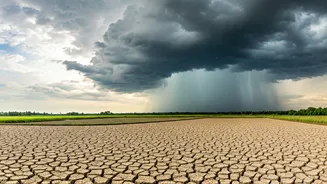
The India Meteorological Department (IMD) has forecast that relief is imminent. While the monsoon's arrival in Delhi has been delayed past its usual date of June 27, conditions are becoming favourable for its advance. [23, 15] A yellow alert has been issued
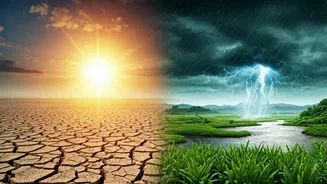
for the coming week, with light rain and thunderstorms expected to begin from Monday, June 29. [6, 18] These initial spells of rain, accompanied by gusty winds, are predicted to bring a much-needed drop in temperature. Forecasters anticipate the mercury will gradually fall from the current highs of 41°C to a more manageable 33-35°C later in the week. [6, 8] The first proper monsoon showers are expected to set in during the first week of July, officially breaking the back of this oppressive heatwave. [15, 23]
Why It Feels Hotter Than 41°C
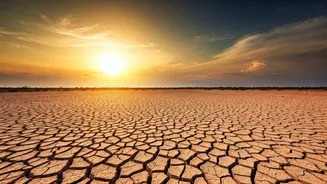
Many Delhiites have felt that the official temperature doesn't capture the full story, and they're right. The misery comes from a combination of high heat and soaring humidity. The IMD reported that while the maximum air temperature was 41.3°C, the heat index, or 'real feel' temperature, peaked at a blistering 51.3°C. [6, 16] This is due to southwesterly winds from the Arabian Sea pumping moisture into the region. [6] When humidity is high, the body's natural cooling mechanism—sweating—becomes less effective because the sweat can't evaporate easily. This is measured by the wet-bulb temperature, which recently neared a critical 30°C in Delhi. [16] At these levels, the heat becomes not just uncomfortable but dangerous, as the body struggles to cool itself down.
How to Stay Safe Until Relief Arrives
With a few more days of extreme heat to endure, taking precautions is critical. Health experts strongly advise staying indoors during the peak heat hours, typically between noon and 4 p.m. [4, 11] If you must go out, wear lightweight, loose-fitting cotton clothes in light colours, which reflect rather than absorb heat. [4, 10] Hydration is your first line of defence. Drink water frequently throughout the day, even before you feel thirsty, as thirst is a sign that you are already dehydrated. [5] Supplementing with drinks like coconut water, nimbu pani, or an Oral Rehydration Solution (ORS) can help replenish electrolytes lost through sweating. [5, 10] It is also wise to avoid heavy, spicy, or oily meals, which can increase metabolic heat. Instead, opt for cooling foods like cucumbers, watermelon, and yoghurt. [10, 11]
Look Out for a Messy Welcome
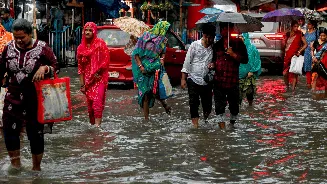
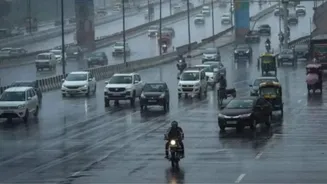
While the first rains are eagerly awaited, they often bring their own set of challenges. Residents should be prepared for potential traffic snarls and waterlogging in low-lying areas, common issues when the first heavy showers hit the parched city. The expected strong surface winds, gusting up to 40-50 kmph, could also lead to disruptions. [17, 18] It's a good idea to check on your home's drainage and prepare for the possibility of temporary power cuts. Despite these potential inconveniences, the drop in temperature and the clean, dust-free air that follows the first rains will be a welcome change for everyone. This transition marks the official end of the gruelling summer and the beginning of a much greener season for the capital.