



1. The Magic of Cashew Paste
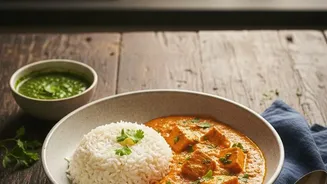
A secret weapon in many North Indian and Mughlai dishes, cashew paste delivers unparalleled richness with a subtly sweet, nutty flavour. Unlike some alternatives, it has a neutral taste that won't overpower the spices in your curry. To prepare it, simply
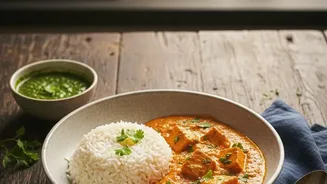
soak raw cashews in hot water for at least 30-60 minutes until they soften. Then, drain them and blend with a small amount of fresh water until you have a completely smooth, silky paste. Stir this paste into your curry towards the end of the cooking process, after the tomatoes and spices have been cooked down. Let it simmer gently for a few minutes to thicken the gravy and cook out any raw taste. This technique is perfect for creating restaurant-style kormas, butter chicken alternatives, and any dish where you desire a luxurious, full-bodied sauce without the heaviness of dairy cream.
2. The Versatility of Coconut
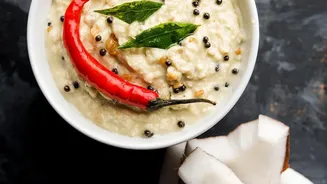
Coconut is perhaps the most well-known dairy-free creamer, especially in South Indian cooking. But not all coconut products are the same. Full-fat coconut milk provides a luscious, rounded flavour, but it should be added near the end of the cooking time and simmered gently, as boiling it can cause it to split. For an even richer texture, you can use the thick coconut cream that separates and rises to the top of an unshaken can of coconut milk. Another fantastic option is using creamed coconut, which is a solid block of concentrated coconut flesh that dissolves into sauces, creating a thick, textured gravy with a hint of sweetness. You can also make a paste from ground fresh or desiccated coconut, often blended with spices, which provides both body and flavour, a technique common in many regional Indian cuisines.
3. Seed Pastes: Poppy and Melon Seeds
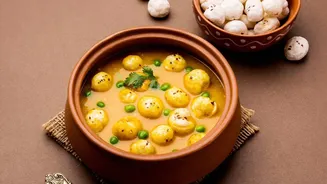
For a truly traditional approach, look to seed pastes. White poppy seeds, known as 'khus khus' or 'posto', are used extensively in Indian cooking, especially in Bengali cuisine, to add body and a delicate nutty flavour. To use them, the seeds are typically rinsed, soaked in water for at least 30 minutes, and then ground into a very smooth paste. Similarly, a mix of four melon seeds—pumpkin, cucumber, watermelon, and muskmelon—is known as 'char magaz'. This blend is prized in Mughlai and other cuisines for its ability to thicken gravies and add richness with a neutral flavour. Like poppy seeds, char magaz is soaked and ground into a paste before being added to a curry base, where it creates a wonderfully creamy consistency.
4. The Foundation: Onion-Tomato Masala
Sometimes, the secret to a creamy curry isn't an additive, but the cooking process itself. A well-made 'bhuna' onion and tomato masala is the foundation of countless Indian dishes. The technique involves slowly cooking down finely chopped or pureed onions until they are deeply golden brown and sweet. This can take patience, often 20-25 minutes. Once the onions are ready, ginger, garlic, and spices are fried until fragrant, followed by pureed tomatoes. The entire mixture is then cooked until it thickens, darkens in colour, and the oil begins to separate from the masala. This slow-cooking process breaks down the vegetables into a thick, homogenous, and naturally creamy base that provides immense depth of flavour and texture to the final curry, no cream required.
5. Smart Use of Nuts, Lentils and Vegetables
Beyond the classics, other ingredients can also lend a creamy hand. Ground almonds can be used in a similar way to cashews, providing a slightly different nutty flavour profile. A spoonful of nut butter, like almond or even peanut butter in certain curries, can add body and balance the tanginess of tomatoes. Soaked and cooked lentils (dal) can be blended into a curry to act as a natural, protein-rich thickener. Even certain vegetables, when boiled and pureed, can create a creamy base. For example, boiled onions blended with ginger and green chillies create a smooth paste that forms the foundation for many rich gravies. Experimenting with these ingredients can unlock new textures and flavours in your dairy-free cooking.