







What is Fibre-Forward Dining?
Fibre-forward dining is less of a strict diet and more of a delicious mindset. Instead of just sprinkling some bran on your cereal, it’s about intentionally designing meals where fibre-rich ingredients are the star. [21] This means celebrating a wide
variety of plant-based foods like vegetables, fruits, whole grains, legumes, nuts, and seeds for the incredible flavour, texture, and satisfaction they bring to the plate. The goal is to make fibre a natural and exciting part of your meals, not an afterthought. It’s a shift from thinking “I have to eat my vegetables” to “I can’t wait to try that roasted cauliflower and chickpea bowl.” This approach makes healthy eating feel abundant and creative rather than restrictive.
The Two Types of Fibre and Why You Need Both
To get the most out of a high-fibre diet, it’s helpful to know about its two main forms: soluble and insoluble. Soluble fibre dissolves in water to form a gel-like substance in your digestive system. [10] This process slows digestion, which helps you feel fuller for longer and can aid in managing blood sugar and lowering 'bad' LDL cholesterol. [10, 13] You can find it in foods like oats, beans, apples, and carrots. Insoluble fibre, on the other hand, does not dissolve in water. [10] It adds bulk to stool, helping food pass more quickly through the digestive system and preventing constipation. [11] Good sources include whole-wheat flour, nuts, cauliflower, and green beans. A truly fibre-forward diet includes a healthy mix of both.
Beyond Millets and Brown Rice
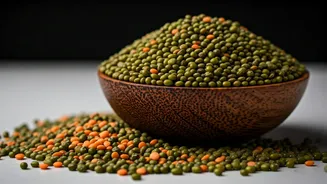
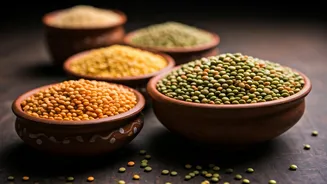
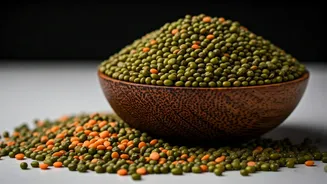
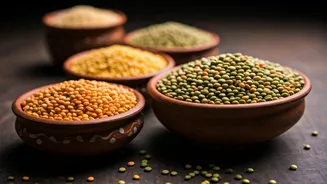
While whole grains like jowar, bajra, and brown rice are fantastic fibre sources, a fibre-forward kitchen is full of diverse ingredients. [4, 5] Legumes are powerhouses of both fibre and protein; think flavourful rajma, chana masala, or a hearty moong dal. [7, 9] Vegetables like okra (bhindi), sweet potato, spinach, and beetroot offer unique textures and nutrients. [4, 9] Don't forget fruits! Guava, papaya, and apples (with the skin on) are excellent sources. [4, 6] Seeds like chia and flax can be easily added to yogurt, smoothies, or porridge for a simple boost. [5] The key is variety, which not only provides a wider range of nutrients but also keeps your meals interesting and delicious.
Easy Swaps for a High-Fibre Day
Incorporating more fibre doesn't require a complete diet overhaul. Small, simple swaps can make a huge difference. Start your day with a bowl of oatmeal topped with fruits and nuts instead of a less-fibrous option. [2, 14] For lunch and dinner, choose whole-wheat rotis over refined flour versions and swap white rice for brown rice or quinoa. [9] When making curries or stir-fries, be generous with vegetables like broccoli, peas, and leafy greens. Snacking on roasted chana, a piece of fruit, or a handful of almonds is another easy way to up your intake. [5] Remember to increase your fibre consumption gradually and drink plenty of water to give your digestive system time to adjust. [8, 12, 15]
Putting It All on the Plate
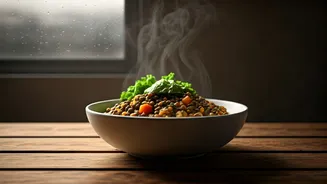
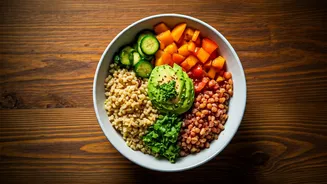
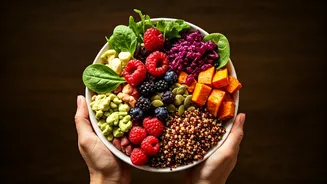
What does a fibre-forward meal look like? For breakfast, you could have a vegetable-packed poha with peanuts or a besan chilla stuffed with spinach. [7] Lunch could be a colourful salad with chickpeas, fresh vegetables, and a light dressing, or a hearty lentil soup with a slice of whole-grain bread. For dinner, a vegetable sambar with brown rice, or a kidney bean curry with quinoa and a side of stir-fried greens would be both filling and fibre-rich. [6] These meals are not only packed with nutrients that support gut health, weight management, and reduce the risk of chronic diseases, but they are also bursting with flavour and texture. [2, 3, 10]