



Why A Pre-Maintenance Check Is Crucial
Calling for maintenance without knowing the problem is like going to a doctor with vague symptoms. A pre-check helps you pinpoint the issue, whether it’s a minor fix or a major problem. This is especially important in India, where the monsoon season can
turn a small leak into a major dampness and mould crisis. By identifying the specific problem, you can hire the right person for the job, provide clear information to your landlord, and prevent small issues from escalating into costly, damaging emergencies. It’s a proactive step that puts you in control.
Inspecting For Leaks: The Silent Culprits
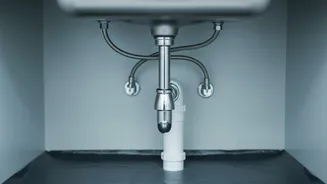
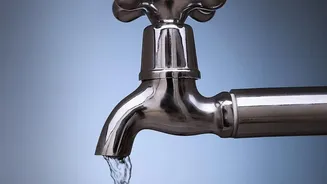
Water leaks are often hidden and can cause significant damage over time. Start your inspection in the kitchen and bathrooms. Check under all sinks for drips or signs of water stains in the cabinet below. Inspect the base of toilets and around water heaters or geysers for any moisture. Don't forget to look up; ceilings can show tell-tale signs of leaks from the flat above, such as brownish rings or peeling paint. Note any areas where tiles are loose or grout is cracked, as these can be entry points for water. Even a slow, minor leak wastes water and can lead to major structural and mould problems if left unaddressed.
Identifying Damp Spots and Mould
Dampness is a pervasive issue in many Indian homes, particularly during and after the monsoon. Look for dark patches on walls, a musty smell in cupboards, or paint that is bubbling or peeling. These are clear signs of moisture intrusion. Run your hand along walls, especially those connected to bathrooms or external walls, to feel for coolness or moisture. Mould, which appears as black, green, or grey spots, is not just unsightly but can also pose health risks, triggering allergies and respiratory issues. Improving ventilation by using exhaust fans and opening windows during dry periods can help, but if damp is persistent, it points to a deeper issue that needs fixing.
Don’t Neglect The Drains
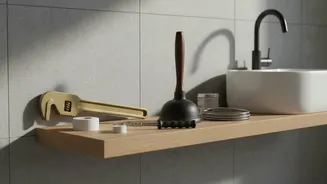
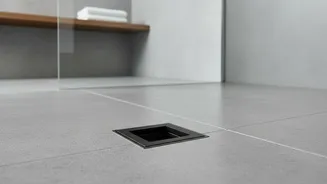
Blocked drains are a common rental frustration. Before you call a plumber, check for the obvious signs: Is water draining slowly from the sink or shower? Do you hear gurgling sounds from the pipes? Are there unpleasant odours coming from the drain? These signal a blockage is forming. While minor clogs from hair or food waste are often a tenant's responsibility to clear, persistent or multiple slow drains could indicate a deeper problem in the main plumbing lines, which is typically the landlord's responsibility to fix. Noting the specifics helps clarify who should handle the repair.
Document Everything Before You Act
Once you have identified potential issues, documentation is your best friend. Before any work begins, take clear photos and videos of all the leaks, damp patches, mould growth, and drain problems you've found. Make notes of the date and time you noticed the issue. This visual evidence is invaluable when communicating with your landlord or a maintenance service. It removes ambiguity and provides a clear record of the property's condition. This is particularly crucial in a rental situation, as it helps in assigning responsibility for repairs and protects your security deposit from unfair deductions later on.
Communicating for a Quick Resolution
With your evidence gathered, you can now contact your landlord or a maintenance service with confidence. Present your findings clearly and calmly, sharing the photos and descriptions you've compiled. In India, while tenants are often responsible for minor upkeep, landlords are generally liable for major structural repairs, including significant plumbing and seepage issues. Providing detailed information helps your landlord understand the urgency and nature of the problem, leading to a faster and more effective resolution. A written request via email or WhatsApp is always advisable, as it creates a time-stamped record of your communication.