




Decoding Room Categories
The names hotels give their rooms—like 'Deluxe', 'Superior', or 'Executive'—can be confusing and inconsistent. A 'Deluxe' room in one hotel might be a standard room in another. Instead of relying on these labels, use the photos to find tangible differences.
Look for actual square footage if listed, but also visually compare the space. Does the 'Superior' room have a visible seating area that the 'Standard' lacks? Is the balcony larger? Look at the details: a bigger television, a more advanced coffee maker, or higher-end furnishings can indicate a genuine upgrade. By comparing photos of different room types side-by-side, you can determine if the price increase is justified by actual features rather than just a fancy name.
The Window and View Test
A window is more than just a source of light; it frames your view and connects you to your destination. Official hotel photos often use techniques to make views seem better than they are. A common trick is overexposing the window so it appears as a bright white rectangle, hiding an undesirable view like a brick wall or a noisy street. When you can see the view, scrutinise it. An 'ocean view' might technically be true, but it could be a small slice of blue visible only from a corner of the balcony. Also, check for what isn't shown. If there are no photos showing the hotel's exterior or surroundings, it could be a red flag. To get the real story, look for pictures taken by other guests on travel review sites. These unedited shots will show you the actual view, warts and all.
A Close Look at the Bathroom
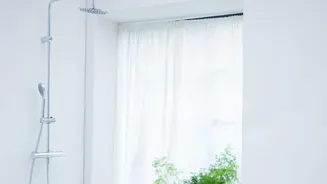
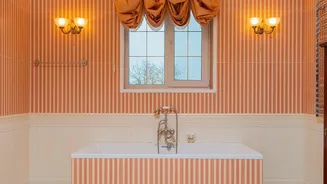
The bathroom can make or break a hotel stay. Professional photos will always show them sparkling clean, but there are clues to look for. Firstly, if there are no photos of the bathroom at all, be very wary. Hotels with beautiful, modern bathrooms are eager to show them off. When you do see photos, look at the details. Are the towels thick and fluffy? Hotels know that pristine, often white, towels signal cleanliness and luxury. Notice the fixtures. Do they look modern and well-maintained, or dated and worn? Check the size of the counter space and the type of shower—is it a spacious walk-in or a small tub combo? The presence of high-end amenities can also indicate a higher standard of care. Again, guest photos are your best friend here, as they might reveal issues like mould or a lack of cleanliness that professional shots hide.
Spotting Photographic Illusions
Hotel photographers are experts at making spaces look as appealing as possible. Wide-angle lenses are frequently used to make rooms appear much larger than they are. You can spot this by looking at objects near the edges of the photo; if they appear stretched or distorted, a wide-angle lens was likely used. Lighting is another tool of the trade. Professional shots often use bright, natural light to create a fresh and airy feel, which may not reflect the room's actual lighting. Pay attention to what's missing. An absence of full-room shots, instead favouring close-ups of pillows or art, might be an attempt to hide a room's small size or awkward layout. A discerning eye can help you look past the staging and see the room for what it really is.
Bedding, Wear and Tear, and Amenities
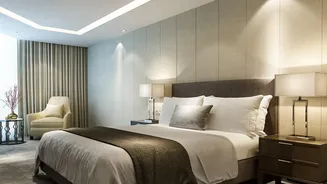
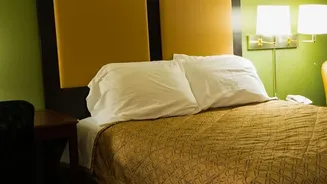
Beyond the big three, a few other photo details can tell you a lot. Look closely at the bed. Does the mattress look firm and new, or is it sagging? Are the pillows plump or flat? All-white bedding is often a good sign, as it shows the hotel is confident in its ability to keep things perfectly clean. Scan the images for signs of general wear and tear. Are there scuffs on the walls, worn patches on the carpet, or dated-looking furniture? These can indicate that a hotel is poorly maintained. Also, look for practical amenities. Can you see enough power outlets near the bed? Is there a proper desk if you need to work? The perfect photo of a sunset view won't make up for a lack of basic comforts during your stay.