






The Cracks in the Crown
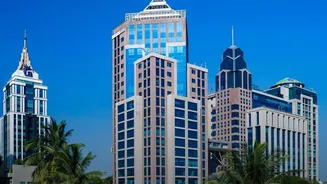
Bengaluru’s success has become its biggest challenge. The city that once promised endless opportunity now frequently delivers endless traffic jams. Strained urban infrastructure is a daily reality, with reports of inconsistent water supply and urban flooding
adding to the logistical woes. This pressure isn't just on the roads; it's on wallets, too. The cost of living, especially rent, has soared, making it one of India's more expensive metros. While salaries are high, the actual purchasing power for tech professionals is eroding, leading to financial anxiety despite high nominal incomes. The intense competition for talent and market share creates a crowded and high-pressure environment for both startups and established companies. These factors combined are making talent and companies alike question if the premium for being in Bengaluru is still worth it.
The Rise of the Contenders
As Bengaluru grapples with its growth, other cities are rolling out the welcome mat. Hyderabad, Pune, and Chennai are leading the charge, each carving out a unique identity in the tech landscape. Hyderabad has aggressively positioned itself as a hub for deep tech, life sciences, and enterprise software, attracting giants like Microsoft and Amazon. Its superior infrastructure and proactive government have made it a top alternative. Pune leverages its strong engineering base and proximity to Mumbai's financial markets, excelling in automotive tech and manufacturing SaaS. Meanwhile, Chennai has become the 'SaaS Capital of India', home to giants like Zoho and Freshworks. It offers a stable, loyal workforce and is considered the most affordable of the tier-1 tech cities.
A Tale of Two Policies
This shift is not happening by accident. State governments are playing a crucial role. Telangana's government, for example, has been particularly proactive with initiatives like the T-Hub incubator and a focus on attracting high-value sectors like aerospace and life sciences. Similarly, states like Maharashtra and Tamil Nadu offer a range of subsidies on electricity, office setup, and incentives for job creation. These targeted policies are designed to woo companies looking for a better value proposition. They are actively studying the policies of their competitors to offer more attractive packages, focusing on creating new ecosystems rather than just offering generic subsidies. This contrasts with a perception among some industry leaders in Bengaluru that planning has been too short-term, prompting calls for a long-term strategic master plan to maintain competitiveness.
The New Work-Life Equation
The pandemic fundamentally changed how and where people want to work. The widespread adoption of remote and hybrid models has made geography less of a constraint. Employees are placing a higher value on work-life balance, which is often easier to achieve in cities with a lower cost of living and less congestion. Hyderabad and Pune, in particular, are noted for offering a better quality of life at a lower cost, allowing professionals to save more without sacrificing their lifestyle. This has empowered a segment of the workforce to move away from the primary tech hubs or demand more flexibility, forcing companies to decentralize their operations. While some companies are mandating a return to the office, the hybrid model is here to stay, permanently altering the talent landscape.
Beyond the Metros
The decentralization trend extends beyond the major metros. A growing number of startups and Global Capability Centers (GCCs) are now looking towards tier-2 and tier-3 cities like Kochi, Jaipur, and Ahmedabad. These cities offer significant cost advantages, often 30-40% lower than tier-1 hubs, and access to fresh, untapped talent pools. The government's 'Beyond Bengaluru' initiative is one example of a push to develop these emerging clusters. While challenges like inconsistent internet and power infrastructure remain in some smaller towns, the rise of remote work has made them viable options for companies looking to build distributed teams and for employees seeking a better quality of life away from the urban grind.