







The Monsoon Skin Paradox: Greasy Yet Dehydrated
The most common mistake during the monsoon is skipping moisturiser altogether. When the air is heavy with humidity, your skin feels slick and greasy, leading you to believe it’s well-hydrated. However, this is often not the case. High humidity can disrupt
your skin's natural moisture barrier, and skipping moisturiser can ironically trigger your glands to produce even more oil to compensate for the underlying dehydration. This creates a vicious cycle of surface oiliness, clogged pores, and potential breakouts, while the deeper layers of your skin remain thirsty. The goal isn't to dry out your skin, but to provide the right kind of hydration that balances it.
Texture is Everything: Go Lightweight and Non-Comedogenic
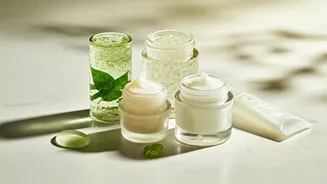
Your first rule for monsoon moisturising is to ditch heavy creams. Rich, oil-based formulas that feel comforting in winter can feel suffocating in humid weather, trapping sweat and oil, which can lead to clogged pores. Instead, look for lightweight textures. Gel-based, water-based, or light lotion formulas are ideal. These formulations are designed to absorb quickly without leaving a greasy film. Also, check the label for the word "non-comedogenic." This is a promise that the product is formulated in a way that it will not block your pores, a crucial feature when your skin is already prone to congestion from the damp, sticky weather.
Decoding the Ingredient List: Heroes and Villains
The right ingredients are what separate a good monsoon moisturiser from a bad one. Look for 'humectants'—these are ingredients that draw moisture from the air and hold it in your skin. Key heroes include: Hyaluronic Acid: A superstar hydrator that holds up to 1,000 times its weight in water, delivering a plump, hydrated feel without any greasiness. Glycerin: An effective and common humectant that helps your skin retain moisture. Niacinamide: This multi-tasking ingredient is perfect for the monsoon as it helps regulate oil production, supports the skin barrier, and can minimise the appearance of pores. On the flip side, avoid heavy occlusive ingredients like petrolatum or very thick butters in high concentrations, as these can feel too heavy and contribute to clogged pores in high humidity.
Tailor Your Choice to Your Skin Type
Even within the 'lightweight' category, your specific skin type matters. For Oily & Acne-Prone Skin: A gel-based, oil-free moisturiser is your best friend. Look for formulas with niacinamide or even a touch of salicylic acid to help control excess sebum and prevent breakouts. For Dry Skin: Don't be tempted to use your heavy winter cream. Instead, opt for a more nourishing but still lightweight lotion or a gel-cream. Look for ingredients like ceramides, which help repair the skin barrier without feeling heavy. For Combination Skin: You need a formula that can hydrate dry cheeks without making the T-zone oilier. A balanced gel-cream is often the perfect solution. You can also apply a slightly more hydrating lotion on drier areas and a light gel on oilier parts. For Sensitive Skin: Choose a fragrance-free and alcohol-free formula to avoid irritation. Ingredients like aloe vera or cica can provide soothing and calming benefits, which is helpful when humidity makes skin reactive.
A Final, Crucial Step: Don't Forget Sunscreen
Don’t let cloudy skies fool you; up to 80% of the sun’s UV rays can penetrate through clouds. Sun exposure remains a risk for tanning, dark spots, and skin damage, even during the monsoon. After applying your moisturiser, always follow up with a broad-spectrum sunscreen of at least SPF 30. To stick with the lightweight theme, opt for a gel-based or fluid sunscreen. These formulas are designed for humid weather and won't leave you feeling sticky or greasy. A fast-absorbing moisturiser creates a smooth base, helping your sunscreen apply more evenly.