



The Atmosphere: A Planet's Protective Blanket
First and foremost, a planet needs an atmosphere. This layer of gas does more than just provide air to breathe; it acts as a crucial regulator of temperature. Without an atmosphere containing greenhouse gases like carbon dioxide, a planet's temperature would
swing wildly, becoming frigid at night and scorching during the day. This atmospheric blanket traps heat, keeping the global temperature stable enough for liquid water to exist. The planet's mass plays a direct role here; a world that is too small won't have enough gravity to hold onto its atmosphere over billions of years, letting it bleed away into space. Earth is in a sweet spot, massive enough to retain its nitrogen-oxygen atmosphere but not so large that it holds onto lighter, more volatile gases like hydrogen and helium.
A Magnetic Shield Against Stellar Storms
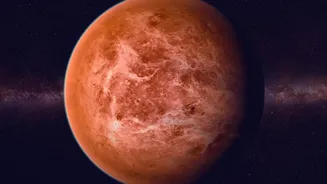
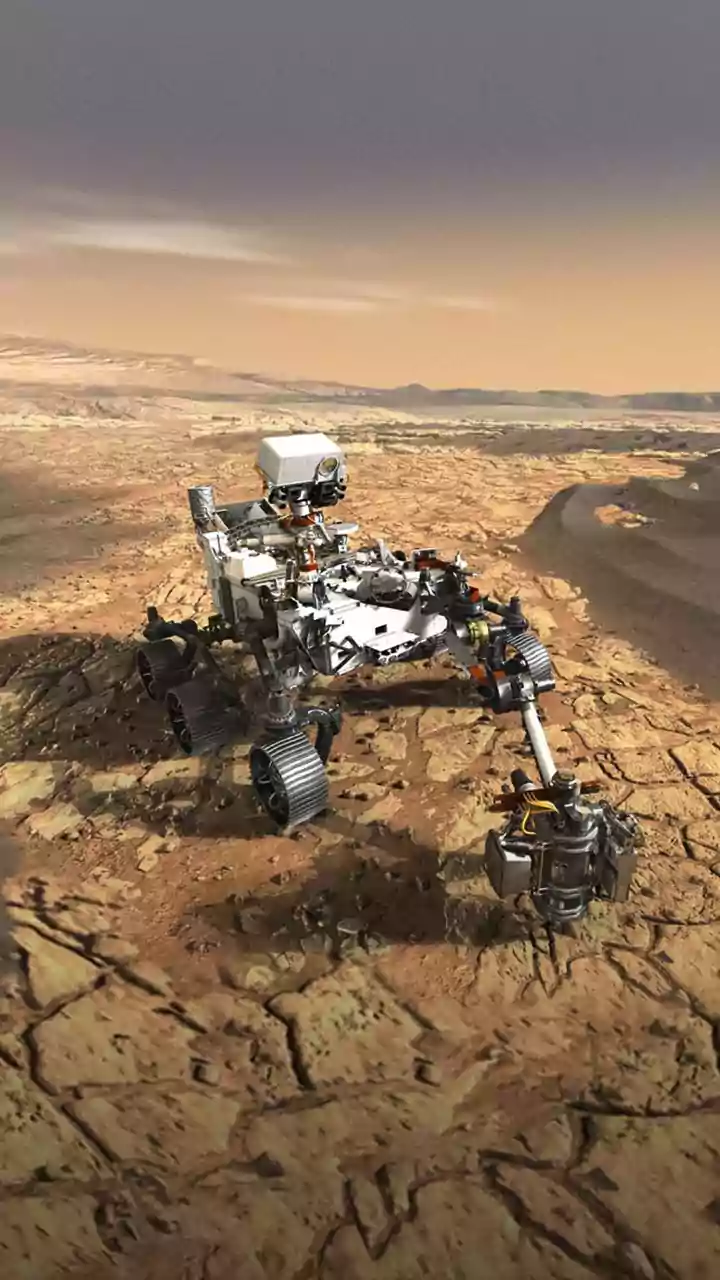
Even with the right atmosphere, a planet is constantly bombarded by its star's solar wind—a stream of charged particles that can strip an atmosphere away. This is where a magnetic field comes in. Generated by the movement of a planet's molten iron core, a magnetosphere acts as an invisible shield, deflecting these harmful particles. Mars is a cautionary tale; it is believed to have lost its once-thicker atmosphere and surface water after its internal dynamo cooled and its magnetic field died. Venus, despite being nearly the same size as Earth, has a negligible magnetic field, which is one of several factors contributing to its hellish, runaway greenhouse state. Therefore, a active, molten core generating a protective magnetic field is now seen as a vital component for long-term habitability.
The Company It Keeps: The Host Star Matters
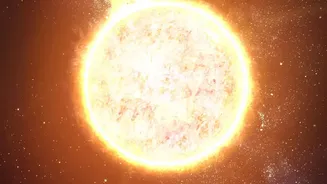
Not all stars are created equal. The type of star a planet orbits dramatically influences its potential for life. Our Sun is a relatively stable, G-type star, providing a consistent output of energy. Many exoplanets are found orbiting smaller, cooler red dwarfs (M-dwarfs). While these stars have extremely long lifespans, they can be volatile, especially in their youth. They often emit powerful flares of X-ray and ultraviolet radiation that could bake a nearby planet and strip its atmosphere. Conversely, stars much more massive than our sun burn hotter and have much shorter lives, potentially not giving complex life the billions of years it may need to evolve. Scientists now believe that stars slightly cooler than our sun, called orange dwarfs, might offer the best balance of longevity and stability.
Geological Activity and a Stable Climate
A geologically active planet may be a healthier one. On Earth, plate tectonics plays a critical role in regulating the climate over geological timescales. This process involves the movement of continental plates, which helps to recycle elements and carbon. Volcanism, often associated with plate boundaries, releases gases like carbon dioxide into the atmosphere, while weathering processes pull it out. This balancing act, known as the carbon-silicate cycle, acts as a planetary thermostat, preventing Earth from getting permanently stuck in a frozen or overheated state. While some research suggests that 'stagnant lid' planets without plate tectonics could still maintain habitable conditions through other forms of volcanism, the stability provided by Earth's tectonic system is considered a significant factor in its long-term habitability.
The Right Place, The Right Ingredients
Finally, there are the most fundamental requirements: liquid water and the right chemical building blocks. The concept of the 'habitable zone' refers to the orbital distance from a star where temperatures could allow for liquid water on a planet's surface. Too close, and water boils away; too far, and it freezes solid. But simply being in this zone isn't a guarantee. As we've seen, atmospheric pressure is also required to keep water from evaporating into space. Beyond water, life as we know it requires a variety of nutrients and an energy source, whether from its star or from chemical reactions, to sustain metabolism. Finding a world that ticks all these boxes—size, atmosphere, magnetic field, a stable star, and the right chemistry—is the true challenge for scientists searching for another Earth.