

The Challenge of Popularity
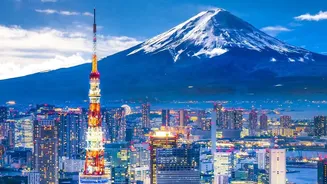
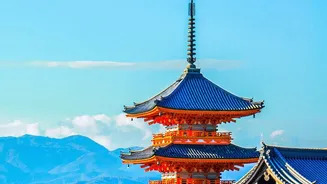
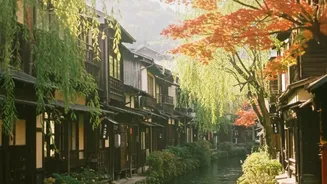
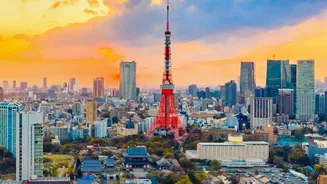
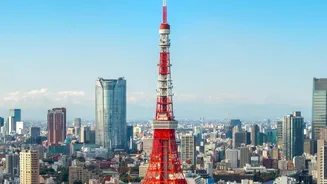
From the neon glow of Tokyo to the historic lanes of Kyoto, Japan offers a travel experience like no other. This popularity, however, has led to a phenomenon known as overtourism at several key locations. Areas like Kyoto, Tokyo, and the regions around
Mt. Fuji are seeing unprecedented numbers of visitors, which can lead to long queues, crowded public transport, and a less serene experience than you might see in photos. The issue is often concentrated in a few world-famous spots, meaning that with a little planning, you can find the authentic atmosphere you’re looking for without the crowds. The goal isn’t to skip the icons, but to visit them smarter and discover equally compelling alternatives that offer a more relaxed and personal journey.
Instead of Arashiyama's Bamboo Grove, Try...
The Arashiyama Bamboo Grove in Kyoto is iconic, but its narrow path can become incredibly congested by mid-morning. For a similar experience with a fraction of the people, consider the bamboo path at Adashino Nenbutsu-ji, a quieter temple also in the Arashiyama area. Another fantastic alternative is Hokoku-ji Temple in Kamakura, which features a beautiful, dense bamboo garden where you can enjoy matcha tea. Even within Kyoto, there is a small, lesser-known bamboo forest on the back side of Mount Inari, offering a peaceful escape for those who venture beyond the main shrine paths. If you are set on seeing Arashiyama, the key is to go very early, ideally arriving before 8 AM to experience the grove in relative peace.
Beyond the Fushimi Inari Crowds
The thousands of vibrant red torii gates at Kyoto's Fushimi Inari Shrine are a breathtaking sight, but the main trails are often packed. For a quieter torii gate experience in a stunning setting, Motonosumi Shrine in Yamaguchi Prefecture offers 123 gates winding down a cliffside toward the Sea of Japan. If you're staying in Tokyo, Nezu Shrine and Hie Shrine both feature beautiful, photogenic tunnels of torii gates without the immense crowds of their Kyoto counterpart. For those committed to Fushimi Inari, the trick is to keep climbing; the crowds thin out significantly the higher you go up Mount Inari.
For a Quieter View of Mt. Fuji
The most famous viewpoints for Mt. Fuji, particularly around Lake Kawaguchiko and the Chureito Pagoda, can be extremely busy. For a more serene experience, consider the southern side of the mountain in Shizuoka Prefecture. Locations like Lake Tanuki and the Asagiri Plateau offer stunning, clear views with far fewer tourists. Obuchi Sasaba provides a picturesque scene of the mountain rising behind neat rows of tea fields. Another great option is Lake Motosu, which is the view of Mt. Fuji featured on the 1,000 yen note and is generally much less crowded than neighboring Lake Kawaguchiko.
Escaping the Shibuya Scramble
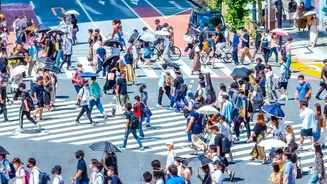
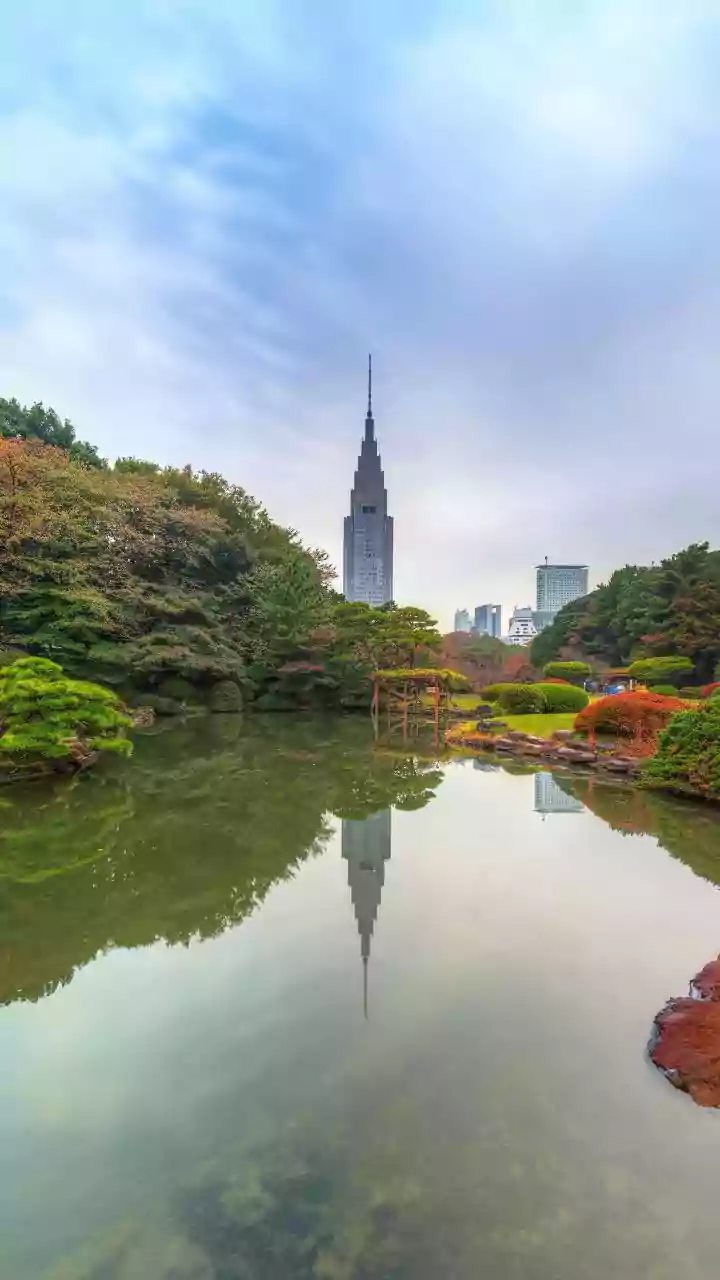
Tokyo's Shibuya Crossing is an electrifying spectacle of organized chaos, but it’s just one of many vibrant neighborhoods in the city. To experience Tokyo's energetic street life with a more local feel, explore areas like Shimokitazawa, known for its vintage shops and independent boutiques, or Yanaka. The Yanaka district offers a glimpse of old Tokyo, with traditional shops, small temples, and a peaceful atmosphere that stands in stark contrast to Shibuya's neon intensity. For a different kind of urban spectacle, the Tenjin district in Fukuoka offers a lively downtown experience with great food and shopping, but without the sheer volume of people seen in Shibuya.