

The Modern Teatime Dilemma
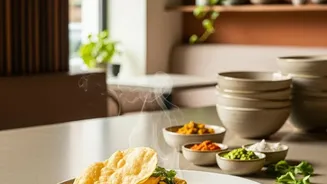
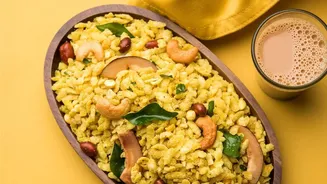
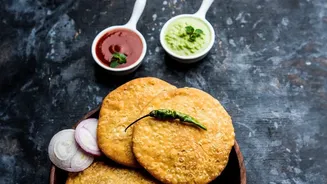
For generations, the 4 p.m. chai has been an unbreakable ritual in India, a moment to pause and recharge. But this tradition has long been accompanied by snacks that are often deep-fried, loaded with refined flour ('maida'), and high in sugar. While delicious,
snacks like pakoras, samosas, and buttery biscuits are increasingly at odds with the modern urban focus on wellness. Today’s consumers are more aware of concepts like empty calories, gluten sensitivity, and the impact of diet on long-term health. This has created a demand for 'guilt-free' options — snacks that satisfy cravings without compromising health goals. People want food that is both delicious and nourishing, leading them to search for alternatives that fit a healthier lifestyle.
A Return to Ancestral Grains
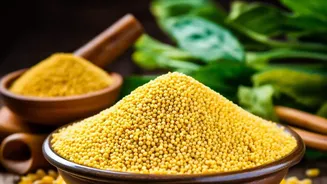
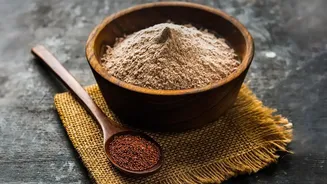
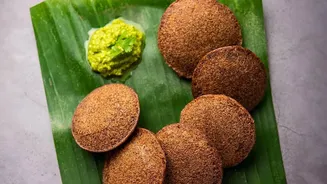
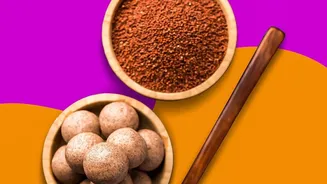
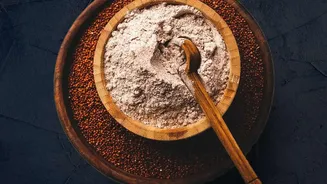
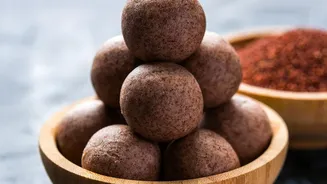
The solution, it turns out, has been in our fields for millennia. Millets such as jowar (sorghum), bajra (pearl millet), and ragi (finger millet) were staples of the Indian diet for thousands of years, long before the Green Revolution prioritized high-yield wheat and rice. Archaeological evidence shows millets were cultivated during the Indus Valley Civilization. These grains were cherished for their resilience, able to grow in arid conditions with less water, making them a reliable source of nutrition. Once dismissed as 'coarse grains', they are now being celebrated as the 'nutri-cereals' they always were, perfectly aligned with today's health and wellness trends. This revival is not just a trend but a rediscovery of India's rich culinary heritage.
The Nutritional Power of Millets
So, what makes millets the star of guilt-free snacking? Their nutritional profile is impressive. They are naturally gluten-free, making them an excellent choice for those with sensitivities or digestive issues. Millets are packed with dietary fibre, which aids digestion, keeps you feeling full for longer, and helps prevent overeating. They also have a lower glycemic index compared to refined grains, meaning they release sugar into the bloodstream more slowly, preventing energy spikes and crashes. Furthermore, different millets offer unique benefits: ragi is a fantastic source of calcium, bajra is rich in iron, and jowar is loaded with protein and antioxidants.
The Rise of Innovative Millet Snacks
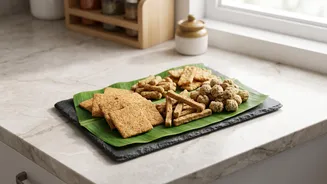
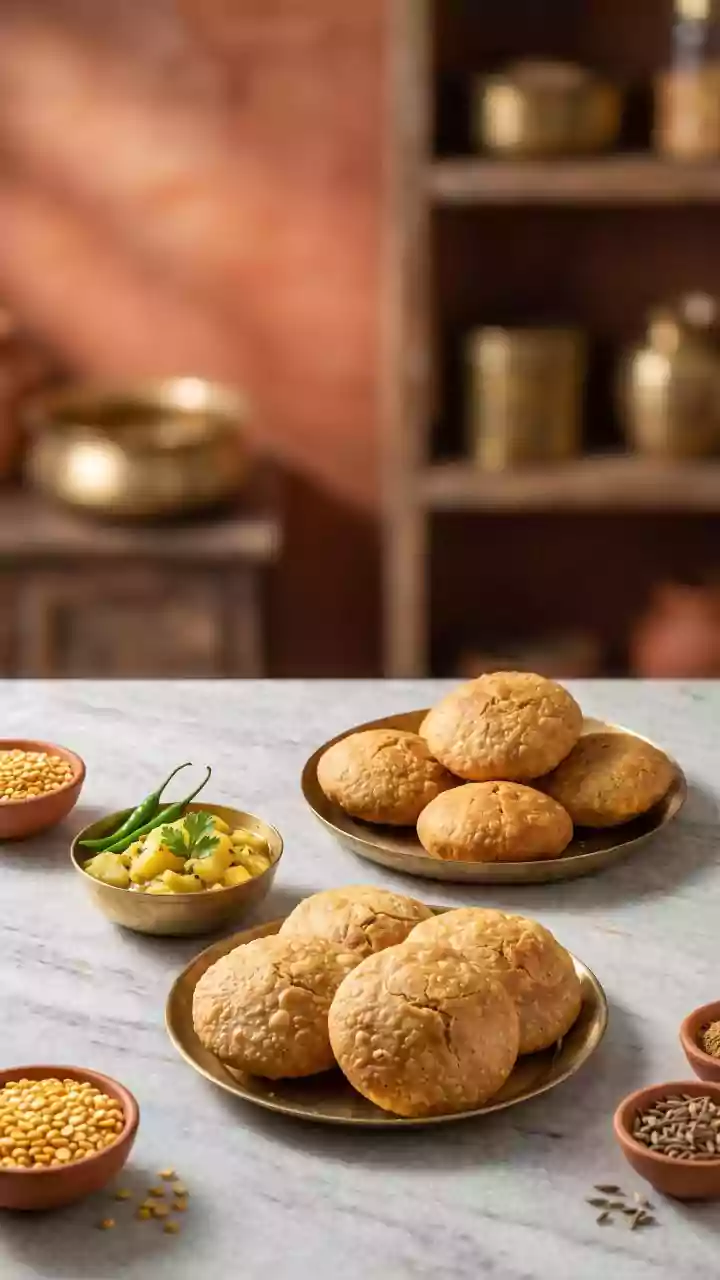
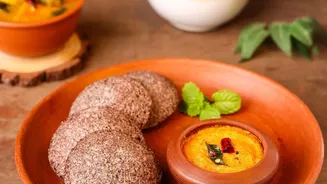
This renewed interest has sparked a wave of innovation in the food industry. Startups and established brands are transforming millets into a dazzling array of modern, convenient snacks. The market is now filled with options like baked millet mathris, ragi cookies, jowar puffs, bajra khakhras, and multi-grain chips. These products successfully merge traditional ingredients with contemporary flavours and formats, from peri-peri flavoured sorghum puffs to ragi-based noodles and pasta. This innovation makes it easy for busy urban consumers to incorporate these healthy grains into their diets without extra effort, providing a crunchy, tasty, and nutritious alternative to conventional snacks.
A Conscious and Sustainable Choice
The return to millets is about more than just personal health; it's also a conscious choice for the planet. Millets are climate-smart crops. They require significantly less water than rice and wheat, are more resistant to drought and heat, and need fewer pesticides and fertilisers to grow. Choosing millets supports biodiversity and sustainable agricultural practices. Moreover, this shift has been bolstered by government initiatives, like the declaration of 2023 as the International Year of Millets, which has raised awareness and encouraged farmers to cultivate these hardy grains. For the urban consumer, buying millet products is a way to support local farmers and make an environmentally responsible decision with every bite.