








Why National Campaigns Aren't Enough
Dengue fever is a hyper-local problem. An outbreak can be concentrated in a few blocks or a single neighbourhood, often linked to specific mosquito breeding sites. While national and state-level awareness campaigns are crucial for general education, they
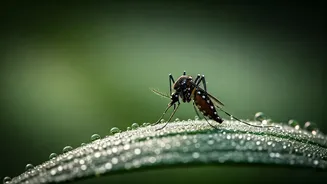
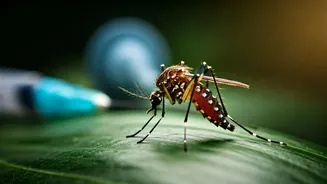
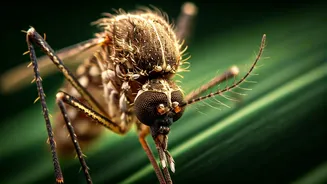
lack the specific, urgent information you need to protect your immediate surroundings. The Aedes mosquito, which transmits dengue, has a limited flight range. This means the danger often lurks within a few hundred metres of your home. A news report about rising cases in your state is a good reminder to be cautious, but an alert from your local municipal corporation about cases in your very own ward is a critical call to immediate action. Responding swiftly to these localized warnings can be the difference between a contained situation and a widespread community health crisis.
Finding and Using Local Alerts
So where do you find these crucial local alerts? Many Municipal Corporations in India have stepped up their communication. For instance, cities like Hyderabad and Ahmedabad are using online portals and direct communication for real-time case reporting and coordination. Check your local municipal corporation's website or public health department page. Many now use the Integrated Health Information Platform (IHIP) portal for data management, which sometimes feeds into public dashboards. Beyond official websites, follow local news outlets, Resident Welfare Associations (RWAs), and community WhatsApp groups, which often share alerts from civic bodies. Some regions have even experimented with dedicated apps like 'Dengue Connect' in Puducherry to empower citizens. When you see an alert for your area, don't just read it—act on it and share it with your neighbours. This creates a chain of awareness that is far more effective than any top-down campaign.
Your Action Plan When an Alert Hits
Receiving a local dengue alert means it's time for an immediate sweep of your home and surroundings. The primary goal is to eliminate stagnant water where Aedes mosquitoes breed. This includes obvious spots like buckets, coolers, and plant saucers, but also less obvious ones like tarpaulins, clogged gutters, and disposed tyres. Civic bodies recommend a weekly 'dry day' where all water-holding containers are emptied and dried. During an active alert, this should become a daily check. Ensure your windows and doors have screens, use mosquito repellents (especially during the day as Aedes are daytime biters), and wear long-sleeved clothing. These actions, when performed by an entire community at once, create a powerful barrier against the mosquito population.
Recognise the Symptoms and Act Fast
Knowing the symptoms of dengue is a critical part of a fast response. The illness often starts with a sudden high fever (104°F/40°C), a severe headache (often described as pain behind the eyes), and intense muscle and joint pain, which earned it the nickname "breakbone fever". Other common symptoms include nausea, vomiting, and a skin rash that appears a few days after the fever starts. While most people recover in about a week, it's crucial to watch for warning signs of severe dengue, which can appear as the fever subsides. These include severe abdominal pain, persistent vomiting, bleeding from the nose or gums, and extreme fatigue. If these severe symptoms appear, it is a medical emergency requiring immediate hospital care.
A Year-Round Threat
While cases in India traditionally peak during and after the monsoon, experts now warn that climate change and rapid urbanization are making dengue a year-round threat. Changing rainfall patterns and warmer temperatures create favourable breeding conditions for mosquitoes even in months previously considered safe. This makes constant vigilance, not just seasonal panic, the new norm. Municipal corporations are increasingly engaged in year-round activities like fogging, surveillance, and awareness campaigns, but community participation is key to success. By integrating simple habits like preventing water stagnation into our daily lives, we can build a resilient defense against dengue, no matter the season.