





The Monsoon and Your Gut
The rainy season, while refreshing, creates an environment ripe for digestive distress. The increased humidity allows harmful bacteria and microbes to multiply rapidly on food and surfaces. Furthermore, heavy rains can lead to water contamination, a primary
cause of gastrointestinal infections like gastroenteritis. According to Ayurvedic principles, the damp and cool weather can also slow down our 'Agni' or digestive fire, making the system more sluggish and sensitive. This combination of external environmental risks and internal imbalance makes our digestive system particularly vulnerable during this time, leading to common issues like bloating, acidity, and infections.
Understanding Digestive Immunity
When we talk about “digestive immunity,” we are referring to the gut's ability to maintain a healthy balance and defend itself against pathogens. Our gut is home to trillions of microorganisms, collectively known as the microbiome. This ecosystem plays a crucial role in digestion, nutrient absorption, and immune function. Probiotics, often called “good bacteria,” are live microorganisms that help maintain this delicate balance. They support the gut wall, which acts as a barrier, and compete with harmful bacteria for resources, preventing them from taking hold. A thriving, diverse microbiome is a cornerstone of a robust immune system.
The Power of Fermentation
Fermentation is an age-old process where microorganisms like bacteria and yeast break down the sugars and starches in food. This process not only preserves the food but also enriches it with beneficial probiotics. These live cultures populate the gut with healthy bacteria, supporting digestion and strengthening the intestinal barrier. Fermentation also makes food easier to digest by breaking down complex compounds and can even increase the bioavailability of certain nutrients, like B vitamins. Consuming fermented foods is a direct way to introduce these helpful microbes into your system, bolstering your gut's natural defences.
Easy Fermented Condiments for Your Plate
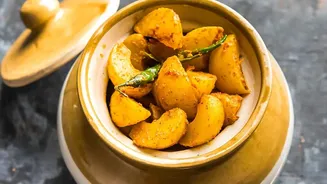
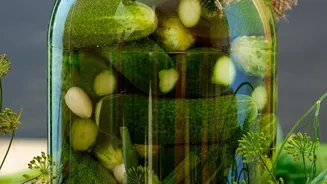
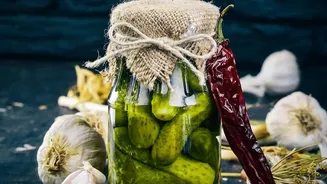
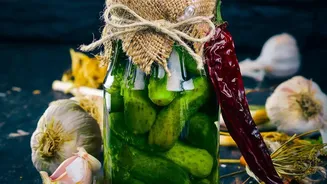
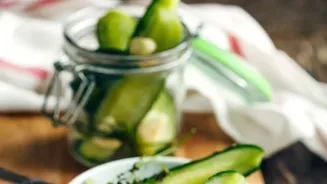
Incorporating fermented foods into your diet doesn't have to be complicated. Many traditional Indian condiments are naturally fermented and packed with probiotics. Traditionally made Achaar (pickles), for instance, involves fermenting vegetables like mangoes or carrots with salt and spices for several days. When consumed in moderation, these pickles can support a healthy gut. Similarly, some chutneys can be prepared with a fermentation step. The key is to use traditional, natural fermentation methods rather than quick, vinegar-based pickling, which doesn't produce the same probiotic benefits.
Refreshing Homemade Probiotic Drinks
Homemade drinks are one of the easiest ways to get a daily dose of probiotics. Chaas (buttermilk), a staple in many Indian households, is a simple yet powerful probiotic drink made by mixing curd with water and spices. It aids digestion, helps prevent bloating, and has a cooling effect on the body. Another excellent option is Kanji, a traditional North Indian fermented beverage made from black carrots or beetroots, mustard seeds, and salt. This tangy drink is rich in probiotics and antioxidants that support gut health and immunity. Even leftover cooked rice can be used; by soaking it in water overnight, you create a simple, probiotic-rich drink known as rice kanji.
Getting Started with Home Fermentation
Making your own probiotic-rich foods and drinks at home is surprisingly simple. For Chaas, simply whisk fresh curd with water until smooth and add a pinch of roasted cumin powder and black salt. To make Kanji, place sliced carrots or beetroot in a clean glass jar with water, ground mustard seeds, and salt. Cover the jar with a cloth and let it sit in a warm spot or in the sun for two to four days, stirring once daily. You'll know it's ready when it develops a tangy, slightly fizzy taste. Starting with these simple recipes can be a rewarding way to take control of your gut health.