


Toilets: The Unseen Guzzler
It might be surprising, but toilet flushing is consistently one of the largest sources of domestic water consumption. According to the Bureau of Indian Standards, toilet flushing alone can account for 45 litres per person each day. Older toilet models,
common in many homes, can use anywhere from 7.5 to 10 litres of fresh, drinkable water with every single flush. In a household of four, this can add up to a staggering amount over a year. Modern water-efficient toilets, which use 4 litres or less for a full flush, can significantly cut this usage. Simple habits like not using the toilet to dispose of tissues or other waste can also make a difference, saving thousands of litres annually for a single family.
Bathing: Showers and Buckets
Bathing is another major contributor to household water use. A traditional bath in a standard-sized tub can use between 150 and 200 litres of water. Showers can be more efficient, but it depends entirely on their duration and the flow rate of the showerhead. A 10-minute shower with a standard showerhead can easily use 50 litres or more. The traditional Indian method of using a bucket and mug is often the most water-conscious way to bathe, typically using only 15 to 20 litres of water. Reducing shower time by even a few minutes or opting for a bucket bath more often can lead to substantial water savings.
Laundry: Machines vs. Hand Washing
Washing clothes is a water-intensive task that accounts for a significant portion of household consumption, with some estimates suggesting it uses about 40 litres per person daily. There is a common debate over whether washing machines or hand washing uses more water. While it depends on the machine's efficiency and the hand-washing technique, modern, efficient washing machines can be surprisingly frugal, using around 40-50 litres per load. However, hand washing clothes, if done mindfully, can use even less, often around 20 litres. The key to saving water with a machine is to always run it with a full load. For hand washing, re-using rinse water for other tasks can further reduce consumption.
Kitchen Use: Washing Utensils
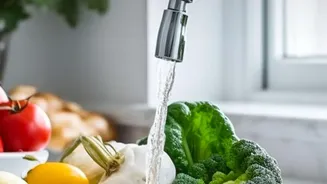
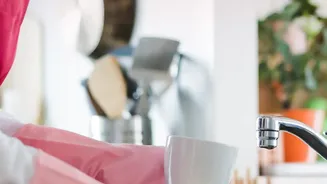
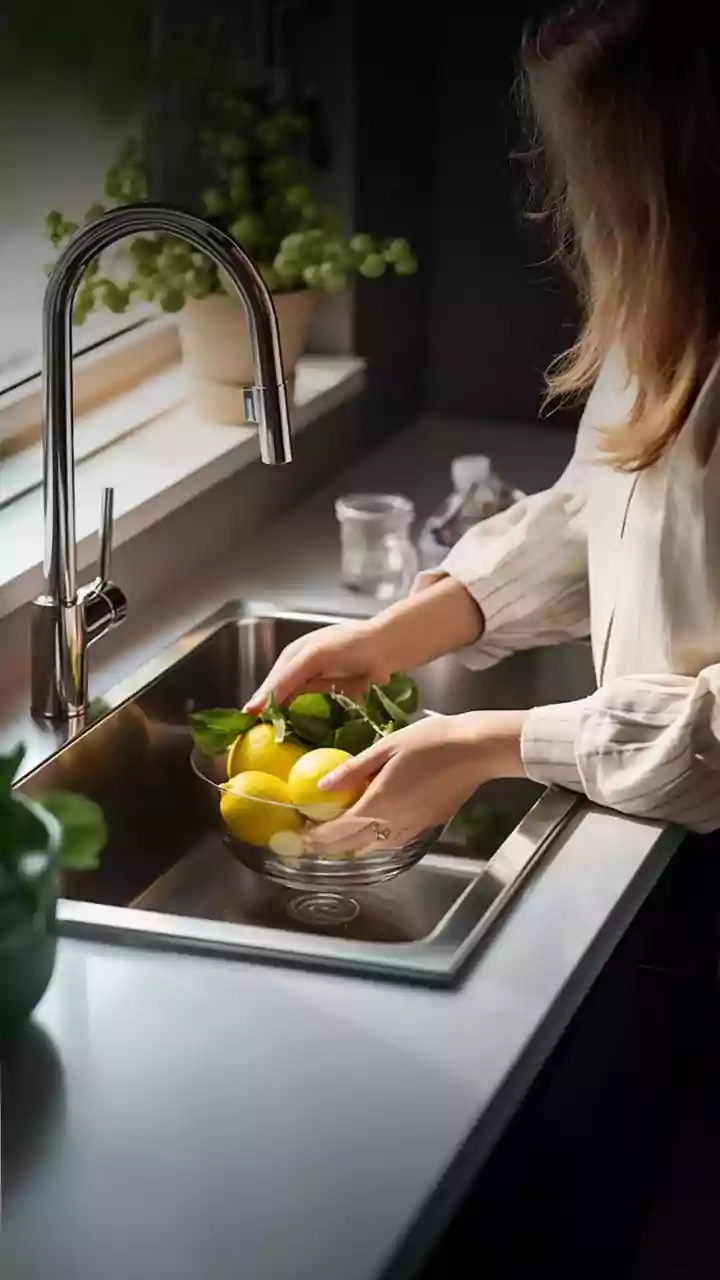
The kitchen sink is another hotspot for water usage, primarily due to washing utensils. Manually washing a full load of dishes with the tap running can consume a large amount of water, with some experts estimating it could be as high as 70-75 litres. In contrast, a modern dishwasher is remarkably efficient, using only about 10 to 15 litres for a full cycle. For those who wash by hand, a simple change in habit can make a huge impact. Instead of letting the tap run continuously, filling one basin with soapy water for washing and another with clean water for rinsing can drastically cut down on the water used for this daily chore.
Cleaning and Other Activities
While flushing, bathing, and washing clothes are the biggest culprits, other activities collectively add to the daily total. This includes general house cleaning, washing floors, gardening, and miscellaneous uses. The National Building Code of India estimates that activities like drinking, cooking, and gardening account for a combined 30 litres per person per day. Water used for gardening can be a significant variable, especially in homes with large green spaces. Using a watering can instead of a hose, watering plants during the cooler parts of the day to reduce evaporation, and choosing native, drought-resistant plants are all effective ways to minimise this form of water consumption.