





Immediate Action: Your Shoes Are Soaked, Now What?
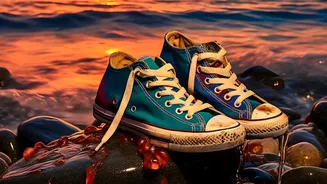
The moment you step indoors, your response can make all the difference. First, remove your shoes and any wet socks immediately. Take out the insoles and laces; these often trap the most moisture and need to be dried separately. Shake out any excess water
and wipe down the exterior and interior with an old cloth. The next step is crucial for absorbing internal moisture. Stuff your shoes tightly with crumpled newspaper or paper towels. This classic trick works by wicking moisture away from the shoe's material while helping it retain its shape. If the shoes are particularly saturated, you may need to replace the damp newspaper every few hours. For a quicker alternative, place the shoes in front of a fan. Good air circulation is a safe and effective way to speed up drying without causing damage from heat.
Winning the War on Odour and Bacteria
Wet shoes are a breeding ground for bacteria and fungi, which cause unpleasant odours and can lead to infections like athlete's foot. Once your shoes are mostly dry, it's time to tackle the smell. A generous sprinkle of baking soda left inside the shoes overnight is a highly effective home remedy. It absorbs residual moisture and neutralises odours naturally. Simply vacuum or shake out the powder in the morning. Another powerful method is to use a solution of equal parts white vinegar and water. Lightly spray the inside of the shoes to kill bacteria; the vinegar smell will dissipate as it dries. For a quicker fix, placing a few dry, unused tea bags or silica gel packets inside can also absorb moisture and smells.
Prevention Is Key: Choosing Monsoon-Proof Footwear
The best way to deal with wet shoes is to avoid them in the first place. Choosing the right footwear is essential for navigating the rainy season comfortably. Materials like rubber, PVC, and EVA are ideal because they are waterproof, easy to clean, and dry quickly. Look for open-toed footwear like floaters, flip-flops, or sandals with good grip, as they allow your feet to breathe and prevent water from getting trapped. If you need to wear closed shoes for work or other formal occasions, opt for styles made from treated leather or waterproof synthetics. Avoid canvas and untreated leather shoes, as they act like sponges, absorbing water and taking a very long time to dry, which can ruin the material and lead to fungal growth. Having at least two pairs of monsoon-appropriate shoes to alternate between is also a wise strategy, ensuring one pair can dry completely before its next use.
Don't Forget Your Feet: Essential Hygiene Habits
Caring for your shoes is only half the battle; your feet need attention too. Prolonged exposure to moisture weakens the skin's protective barrier, making it susceptible to fungal and bacterial infections. Make it a habit to wash your feet with soap and warm water as soon as you get home. Pay special attention to drying the area between your toes, as this is where infections often start. Applying an antifungal powder can help absorb excess sweat and provide an extra layer of protection. Once or twice a week, consider a foot soak in warm water with a bit of salt or antiseptic liquid to cleanse and relax your feet. Regular exfoliation with a pumice stone will remove dead skin cells, which can otherwise become a breeding ground for germs. Finally, moisturise your heels to prevent cracking, but avoid applying cream between your toes to prevent moisture buildup.