


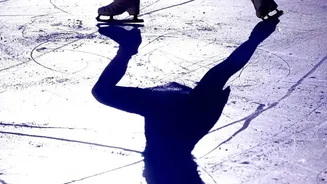
The Glide of Skating: A Low-Impact Cardio Boost
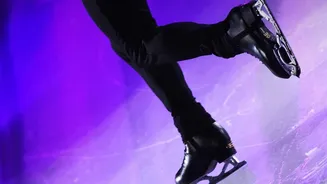
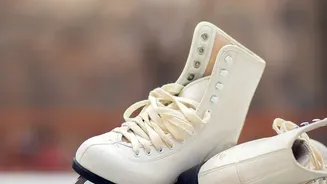
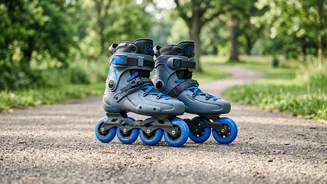
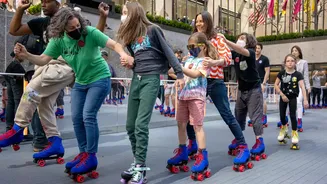
At first glance, skating—whether on inline or quad skates—seems like a recipe for joint stress. But the reality is more nuanced. The smooth, gliding motion of skating is significantly lower-impact than high-impact activities like running. Studies show
that skating generates less than half the impact shock to joints compared to running, making it a gentler option for your knees, hips, and ankles. This fluid movement strengthens the muscles in your legs and glutes with every push, while your core works hard to keep you balanced. By engaging these large muscle groups, skating provides a vigorous cardiovascular workout that can burn a significant number of calories. However, the low-impact nature doesn't mean it's entirely without risk. The primary danger comes from falls, which can lead to traumatic injuries like wrist fractures, ankle sprains, or even head injuries. Furthermore, the repetitive side-to-side pushing motion can lead to overuse injuries in the hips and knees if proper form isn't maintained.
Tai Chi: The Gentle Power of Mindful Movement
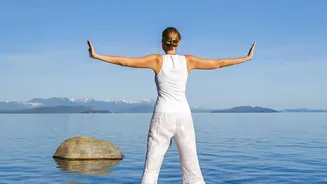
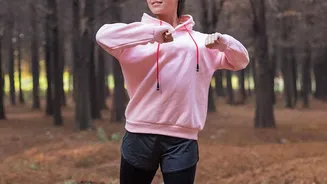
Tai Chi is an ancient Chinese martial art that combines slow, deliberate movements, deep breathing, and mental focus. It is renowned for being exceptionally gentle on the body. Biomechanical studies have found that the joint reaction forces during Tai Chi are substantially lower than even walking. This makes it an excellent choice for individuals with existing joint pain, particularly osteoarthritis. Multiple studies have shown that regular practice can reduce pain and stiffness, improve flexibility, and increase muscle strength in the lower body. The practice focuses on controlled weight shifting, semi-squatting postures, and maintaining balance, which strengthens the small stabilizing muscles around the joints and improves coordination. This enhanced stability and muscle control is a key reason why Tai Chi is highly effective at reducing the risk of falls, a major concern for older adults. While incredibly safe, it's not entirely without risk. Improper technique, such as twisting from the knee instead of the hips or squatting too deeply for one's fitness level, can lead to strain.
Head-to-Head: Joint Loading and Muscle Work
The fundamental difference between skating and Tai Chi lies in the nature and intensity of the forces they exert. Skating involves dynamic, propulsive movements that build cardiovascular fitness and fast-twitch muscle fibres. The load on the joints is primarily from the powerful push-off motion and the constant need for stabilisation. While it's low-impact due to the glide, the potential for high-impact forces from falls is its main drawback.Tai Chi, on the other hand, is about sustained, controlled loading. The movements are slow, which means there is no sudden impact. Instead, the muscles and joints are under continuous, gentle tension, which helps build endurance, strength, and range of motion. Biomechanical analysis shows that while Tai Chi involves larger joint moments in the hips and knees compared to walking, it distributes stress more evenly across the joint surface. This strengthens the supporting muscles without causing the sharp stress spikes associated with higher-impact activities. The risk in Tai Chi is not from impact, but from poor form creating sustained, incorrect pressure on a joint.
Making the Choice: Which Is Right for You?
Deciding between skating and Tai Chi depends entirely on your personal fitness goals and your body's current condition.Choose skating if:Your primary goal is cardiovascular fitness and calorie burn. You have healthy, stable joints and are looking for a fun, low-impact alternative to running. You want to build power in your legs and glutes and are comfortable with a higher risk of falls (and are willing to wear protective gear).Choose Tai Chi if:You have arthritis, chronic joint pain, or are recovering from an injury. Your main goals are to improve balance, flexibility, and stability to prevent falls. You are seeking a low-stress, mindful exercise that combines physical activity with mental relaxation. You prefer a practice with an extremely low risk of injury when done correctly.