





A New Kind of Pilgrimage
A recent report has highlighted a significant shift in Indian travel habits, with music-led journeys experiencing a four-to-five-fold year-on-year growth. This isn't just a minor trend; it signals a fundamental change in what motivates people to travel.
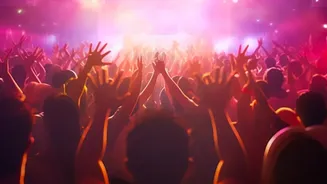
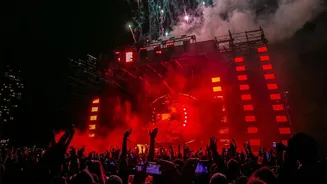
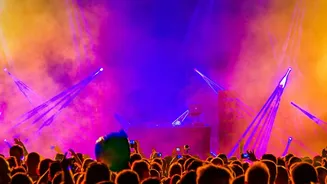
According to hostel chain Zostel, one in three Gen Z travellers now prefers a music festival trip over a conventional holiday. This generation is trading leisurely sightseeing for the vibrant, collective energy of a live concert or festival. Data from various platforms confirms this movement. In 2025, over 5.6 lakh Indians travelled across cities just for concerts, according to a BookMyShow report. This behaviour is reshaping travel from a seasonal activity into a culture-driven pursuit, planned around artist announcements and festival calendars.
What's Fuelling the Beat?
Several factors are harmonizing to create this boom. At its core is a generational shift towards an 'experience economy,' where spending on memorable events is prioritized over material goods. This is particularly true for Gen Z and millennials, who make up the bulk of this travelling cohort. An Airbnb report from early 2026 found that 62% of India's Gen Z plan to travel for music events this year. For many, it’s their first time visiting a particular city, with 76% of young travellers saying a concert was their gateway to discovering a new destination. The rise of social media amplifies this, creating a 'fear of missing out' that turns regional festivals and international artist tours into unmissable cultural moments. Furthermore, increasing disposable incomes and greater accessibility through online travel and ticketing platforms have made these trips more feasible than ever.
The Economic Encore for Travel
This surge is composing a new economic score for the travel industry. The impact extends far beyond ticket sales, creating what reports call 'booming micro-economies' around each event. When fans travel, they spend on flights, trains, hotels, local transport, and food, injecting significant revenue into the local economy. A recent report noted that travel-related expenditure accounts for nearly 60% of the entire music tourism market. More than half of these travellers extend their stays beyond the event dates to explore the destination, benefiting local cafes, shops, and cultural sites. This trend is a boon for the hospitality sector, with hotels near venues reporting higher occupancy rates and the ability to command premium prices during festival weekends.
Beyond Metros: Destination Festivals
While major cities like Mumbai and Bengaluru remain hubs, the most exciting growth is happening in non-traditional locations. Festivals like Ziro in Arunachal Pradesh, Magnetic Fields in Rajasthan, and the Cherry Blossom Festival in Meghalaya are transforming their regions into major tourism draws. Bookings for Ziro Festival, for instance, have reportedly grown seven to eight times year-on-year on some platforms. This shift disperses tourism away from crowded urban centres and fosters economic development in Tier-2 and Tier-3 cities. State governments have taken notice, with tourism departments in states like Assam, Gujarat, and Telangana signing agreements to attract global artists and improve event infrastructure, recognising live entertainment as a powerful engine for local employment and growth.
How the Industry Is Adapting
The travel industry is quickly learning to march to this new beat. Online travel agencies (OTAs), which handle over half of all bookings, are now curating travel packages that bundle concert tickets with flights and accommodation. Companies are designing itineraries that feature exclusive access, backstage passes, and other curated experiences to appeal to this discerning audience. This isn't just about selling a trip; it's about selling a complete, immersive cultural experience. With the Indian music tourism market projected to grow at a compound annual rate of over 17%, reaching nearly USD 16 billion by 2034, it's clear that this synergy between music and travel is set to become a headline act for years to come.