




The Green Transformation
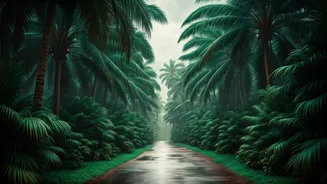
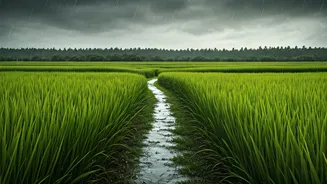
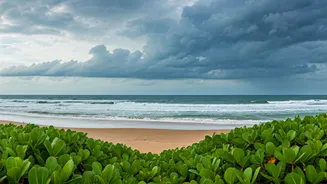
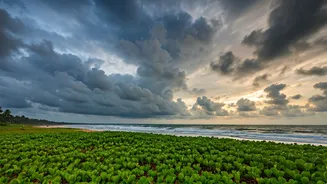
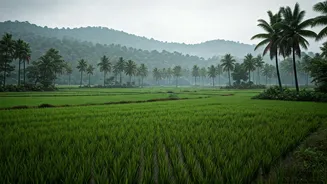
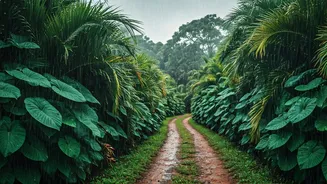
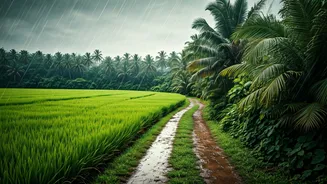
From June to September, Goa undergoes a breathtaking metamorphosis. The rain washes the dust away, transforming the landscape into a vibrant canvas of emerald green. [12, 14] The rice paddies become lush carpets, the forests of the Western Ghats turn
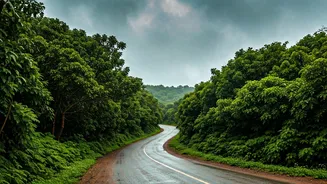
dense and mysterious, and the air feels fresh and clean. [7, 8] Driving through the countryside becomes an experience in itself, with mist-covered hills and scenic roads that are far less congested than in the winter months. [17] This is the perfect time for nature lovers and photographers to capture the state in its most raw and verdant glory. [12, 14] The entire state feels rejuvenated, offering a visual feast that the harsh summer sun simply cannot match.
Waterfalls in Their Full Glory
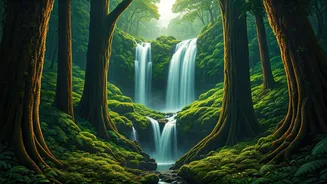
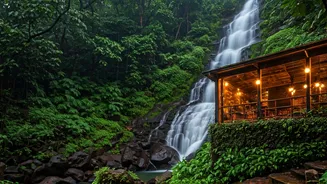
While beautiful year-round, Goa's waterfalls are at their most spectacular during the monsoon. [5, 12, 13] The seasonal rains swell the rivers, turning gentle trickles into roaring cascades. The most famous of these, Dudhsagar Falls, becomes a powerful spectacle, truly living up to its name, which translates to "Sea of Milk". [3, 5] Beyond Dudhsagar, numerous other waterfalls like those at Harvalem, Tambdi Surla, and Kuskem come to life, offering incredible trekking opportunities and stunning views. [3, 5, 6] The journey to these falls, often involving a trek through lush jungle or a thrilling jeep safari, is an adventure in itself. [3, 8]
Fewer Crowds and Unbeatable Prices
Perhaps the most practical advantage of a monsoon trip is the significant drop in crowds and prices. [2, 7] With the peak tourist season over, popular beaches, forts, and heritage sites are blissfully quiet, allowing for a more peaceful and intimate experience. [14, 17] This is the off-season, which means airlines and hotels slash their rates. [2, 7] Luxury resorts and boutique stays that might be prohibitively expensive in December become surprisingly affordable, allowing you to indulge without breaking the bank. [2, 11] This combination of serenity and savings is what makes the 'smarter traveller' feel so smug.
A Different Side of Goan Life
Visiting during the monsoon offers a glimpse into a more authentic, local side of Goa. With fewer tourists, the pace of life slows down. [2, 14] It's a fantastic time to explore the charming Latin Quarter of Fontainhas in Panjim, visit historic Old Goa's churches, or wander through spice plantations that are at their most fragrant after the rain. [4, 8, 17] While many temporary beach shacks are dismantled for the season, a number of permanent restaurants and bars remain open, offering cosy refuge and delicious food. [10, 20] You can also witness unique monsoon festivals like São João in June, where locals celebrate by jumping into wells. [11] It's an opportunity to connect with the state's culture beyond the beach party scene.
Know Before You Go
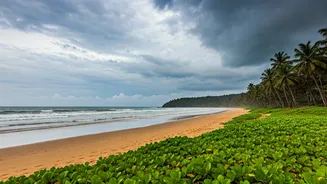
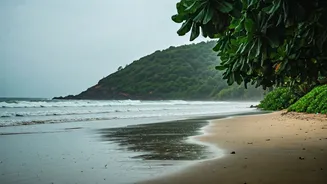
A monsoon trip requires a bit of practical planning. Swimming in the sea is generally unsafe due to rough currents, and most open-sea watersports are suspended. [11, 15] While many restaurants and clubs, especially in North Goa hubs like Baga and Calangute, remain open, the famous beach shacks are mostly closed. [2, 15, 16] Pack quick-drying clothes, waterproof footwear, a reliable raincoat, and insect repellent. [8, 11, 19] Power cuts can be more frequent, so choosing a hotel with a generator is wise. [2] And while the rain can be persistent, especially in July and August, it often comes in spells, leaving plenty of time for exploration between downpours. [11]