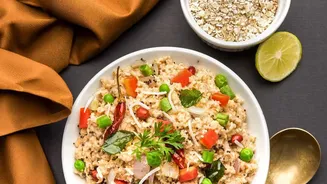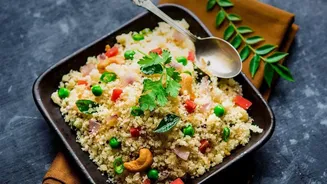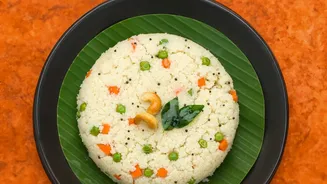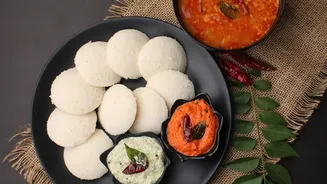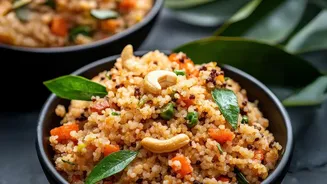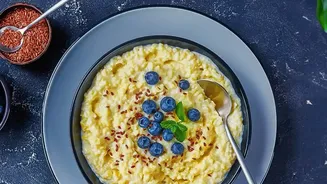



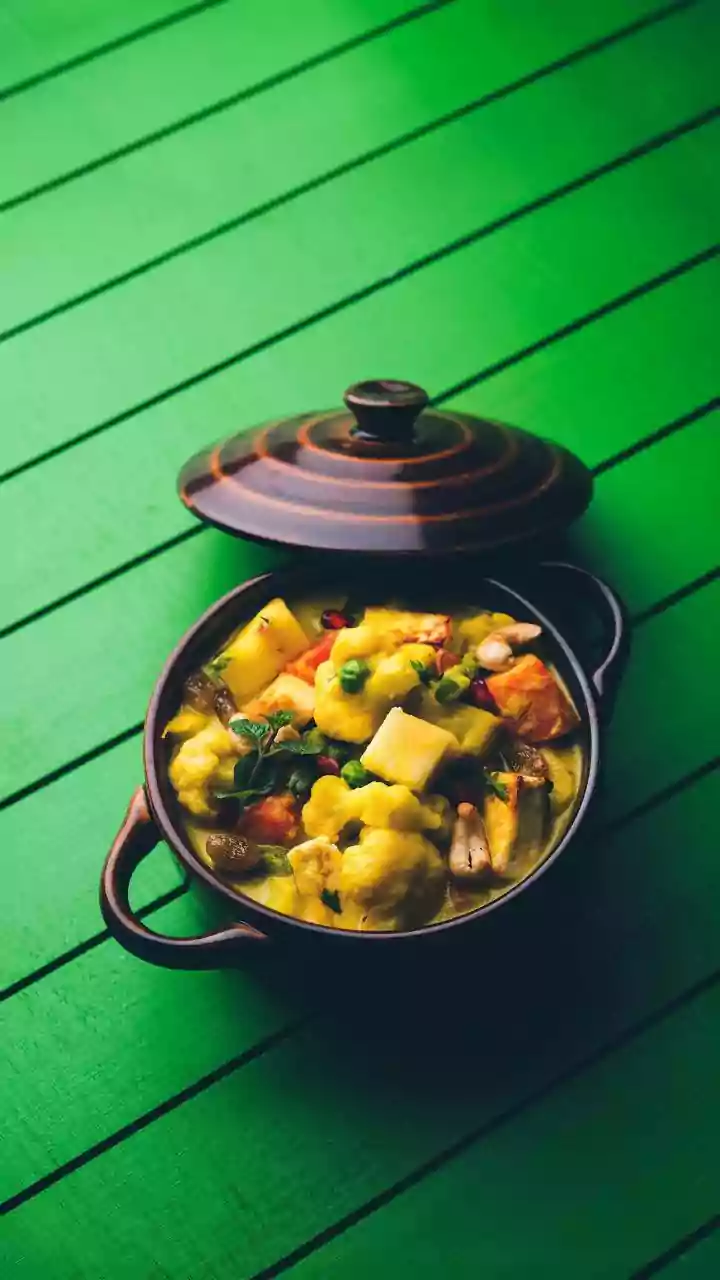
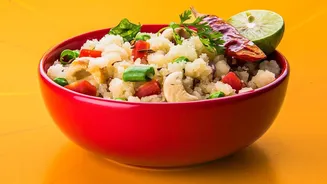
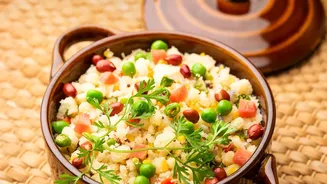
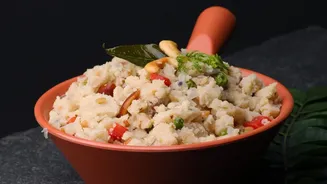
A staple in countless Indian households, upma is the ultimate comfort breakfast. Simple, quick, and endlessly versatile, its true genius lies in its ability to adapt. Journey across the country and discover five regional twists on this beloved dish.
1. The Classic: Rava Upma
This
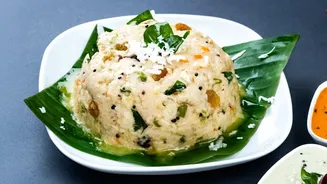
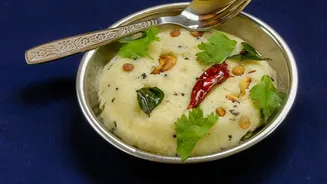
is the version that comes to mind for most when they hear the word 'upma'. Made from dry-roasted semolina (rava or sooji), it’s a simple masterpiece of South Indian cooking. The preparation begins with a fragrant tempering of mustard seeds, urad dal (split black gram), chana dal (split Bengal gram), and curry leaves in hot oil or ghee. Finely chopped onions, ginger, and green chillies are sautéed until translucent before the roasted rava is added. Hot water is then poured in carefully while stirring continuously to prevent lumps, creating a soft, fluffy texture. Often garnished with fresh coriander and a squeeze of lemon, this foundational upma is savoury, light, and deeply satisfying. Its simplicity is its strength, offering a perfect canvas for countless minor variations, like the addition of cashews or vegetables.
2. The Quick Fix: Bread Upma
A brilliant way to use up leftover bread, Bread Upma is a popular snack and tiffin box item that comes together in minutes. Instead of semolina, this dish uses cubed bread pieces, which are tossed into a flavourful masala. The process starts similarly, with a tempering of mustard and cumin seeds. Onions, tomatoes, ginger, and green chillies are sautéed with spices like turmeric and red chilli powder to create a rich base. The bread cubes are then added and mixed gently until they are well-coated and have absorbed the flavours of the masala. Some recipes suggest lightly toasting the bread beforehand for a slightly crisp texture, while others prefer the softer outcome of using it directly. It’s a hearty, flavourful, and incredibly resourceful dish that transforms a humble ingredient into a delicious meal.
3. The Light and Fluffy: Aval Upma
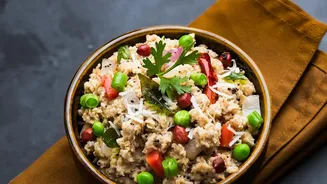
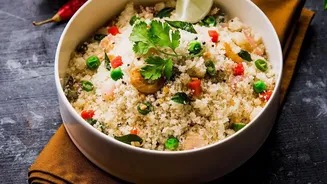
Known as Aval Upma in Tamil Nadu or Avalakki Oggarane in Karnataka, this version uses flattened rice (also known as poha or aval). Because flattened rice requires minimal cooking time, this is one of the quickest breakfast options available. The poha is first rinsed and allowed to soften for a few minutes. A tempering of mustard seeds, dals, curry leaves, and peanuts provides the foundational flavour and crunch. Onions and green chillies are sautéed before the softened poha is added to the pan. Seasoned with salt and often a pinch of turmeric, the dish is tossed together until heated through. A generous garnish of grated coconut and a squeeze of lime juice are classic finishing touches, particularly in Karnataka style, adding freshness and tang. The result is a light, fluffy, and nutritious breakfast that’s easy on the stomach.
4. The Tangy Favourite: Tomato Upma
A beloved variation from South India, particularly Tamil Nadu and Andhra Pradesh, Tomato Upma or Thakkali Upma gets its signature taste and vibrant reddish-orange hue from fresh tomatoes. The preparation involves cooking down chopped or pureed tomatoes with onions and spices until they form a soft, pulpy base. This tomato masala infuses the entire dish with a delightful tanginess that sets it apart from the classic version. After the tomato base is ready, hot water is added, brought to a boil, and then the roasted rava is stirred in. The upma cooks until it reaches a soft, porridge-like consistency, having fully absorbed the flavour of the tomatoes. It’s often slightly spicier than regular upma and is so flavourful that it can be enjoyed without any side dish.
5. The Fasting Special: Sabudana Upma
While often called Sabudana Khichdi, especially in Maharashtra, this dish made from tapioca pearls (sabudana) follows the upma method of preparation and is a popular choice during religious fasts. The key to a perfect, non--sticky Sabudana Upma lies in soaking the pearls correctly—for several hours or overnight until they are soft and easily pressed. The soaked and drained sabudana is then cooked with a simple tempering of cumin seeds, green chillies, and curry leaves. Boiled and cubed potatoes are a common addition for substance, while coarsely ground roasted peanuts are essential for both flavour and for absorbing excess moisture, which helps keep the pearls separate. A final mix of salt, a little sugar, and lemon juice creates a beautiful balance of salty,, sweet,, and tangy notes.