



For a Light and Fluffy Breakfast
Morning often calls for something light, fluffy, and comforting. Think pancakes, waffles, or muffins. For these, the protein content in your flour is key. Protein develops into gluten, which provides structure. Too much gluten can make breakfast treats
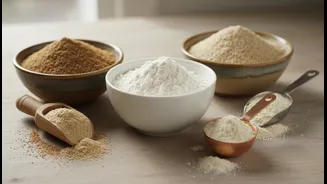
tough and chewy. For tender American-style pancakes or soft muffins, self-rising flour is a convenient choice as it includes baking powder and salt. Alternatively, all-purpose flour (maida) works well; just be sure to add a leavening agent like baking powder for that desired lift. For an even more delicate and soft texture, some bakers turn to cake flour, which has a very low protein content, resulting in an exceptionally tender crumb perfect for delicate sponge cakes and even pancakes. If you're looking for a healthier, gluten-free start to your day, flours like besan (chickpea flour) can be used to make savoury chillas, a popular Indian breakfast pancake.
Powering Through Lunch and Midday Meals
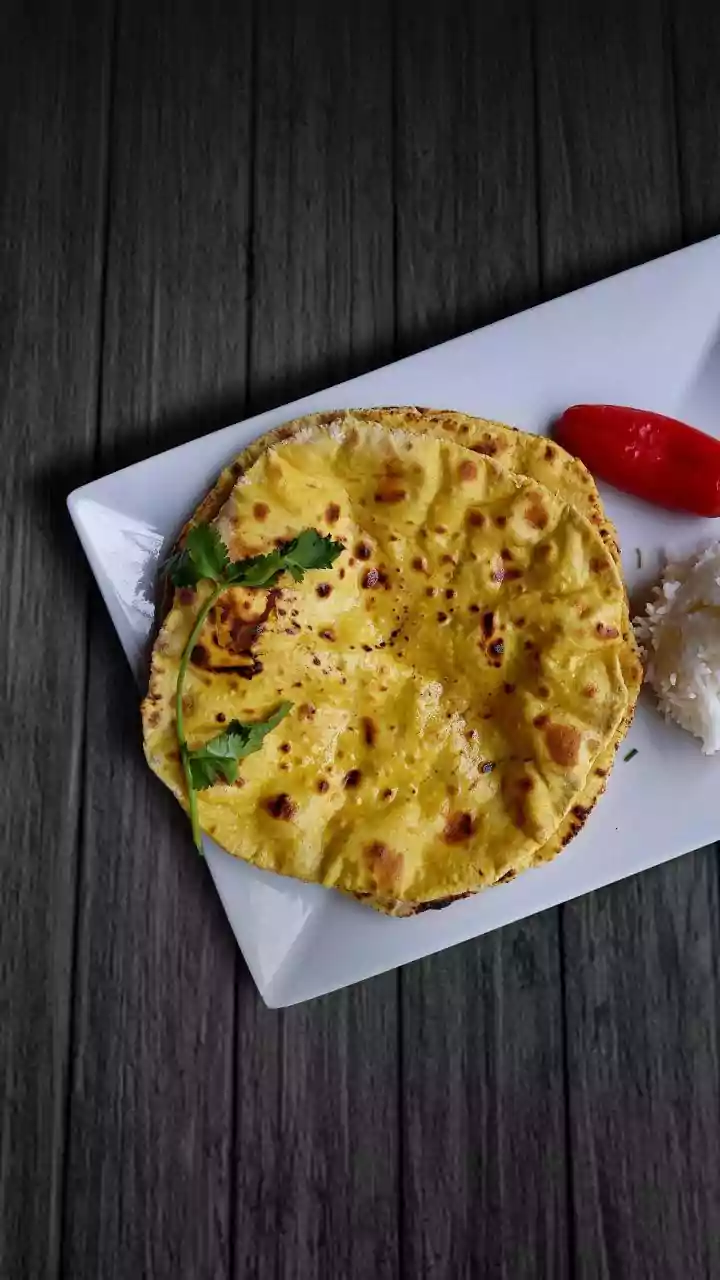
Lunch is often about staple foods that provide sustained energy. In India, this means flatbreads like rotis, chapatis, and parathas. The undisputed champion for these is Atta, or whole wheat flour. Made from the entire wheat kernel, atta is rich in fiber and nutrients. Its higher protein and gluten content provide the elasticity needed to roll out thin, soft, and pliable breads that don't tear. If you're making bread for sandwiches or rolls, bread flour is the ideal choice. With a high protein content (typically 12-14%), it creates a strong gluten network that traps gas from yeast, resulting in a chewy texture and excellent structure for loaves and buns. While all-purpose flour can work in a pinch for breads, using bread flour will yield a superior, chewier result.
Crafting the Perfect Dinner
As the day winds down, dinner menus can range from hearty curries to crispy fried snacks or delicate pastas. Your flour choice needs to be just as versatile. For thickening gravies and sauces, a small amount of refined all-purpose flour (maida) or cornflour works wonders without imparting much flavour. When it comes to crispy coatings for pakoras or other fried items, besan (gram flour) is a classic choice in Indian kitchens, providing a unique nutty flavour and a satisfying crunch. Rice flour is another excellent option for creating a light, crispy, and gluten-free coating. If homemade pizza or fresh pasta is on the menu, a high-protein bread flour is best for creating that signature chewy crust and firm pasta texture. Some purists even opt for Italian '00' flour, which is very finely milled and produces an exceptionally soft and light dough.
Sweet Endings with the Right Bake
Dessert is where flour science truly shines. For baked goods, the protein percentage directly impacts the final texture. For a light, airy, and melt-in-your-mouth cake, cake flour is non-negotiable. It has the lowest protein content, which results in a very fine and tender crumb. All-purpose flour is the versatile middle-ground, perfect for cookies, brownies, and pie crusts where you want some structure but not the toughness of bread. For a heartier, nuttier flavour in cookies or quick breads, you can substitute a portion of the all-purpose flour with whole wheat flour. And for those looking for gluten-free options, almond flour provides a rich, moist texture, making it excellent for certain cakes and cookies, though it behaves very differently from wheat flours.